
20 Oct 2025
If you’ve watched architectural and retail projects lately, you’ve seen the quiet rise of etching metal mesh—crisp geometric skins, organic perforations, even digital motifs that behave like light. To be honest, five years ago I thought it was a niche. Today, spec writers ask for it by name, especially for façades and brand walls where precision and repeatability matter.
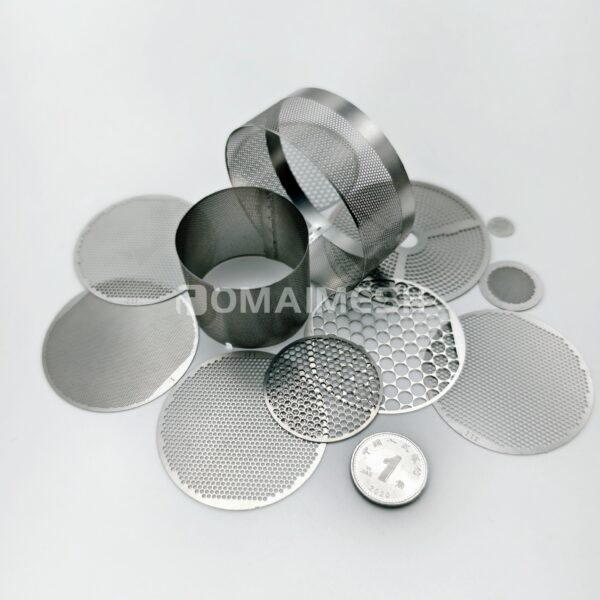
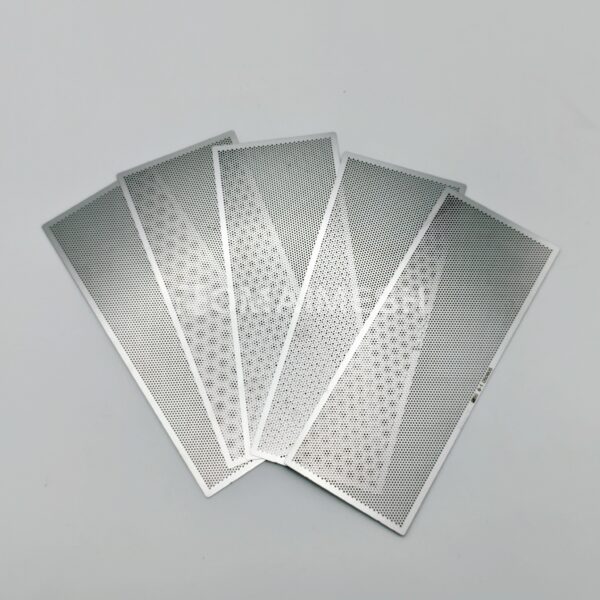
This product uses photochemical etching on 304/316 stainless steel sheets to form clean, burr-free apertures—no punch deformation, no heat-affected zones. Many customers say the edge quality is surprisingly “laser-like,” but costs scale better on complex patterns. Typical uses include architectural cladding, decorative screens, retail fixtures, lighting diffusers, even ventilation details where airflow and aesthetics both matter.
| Parameter | Specification |
|---|---|
| Material | 304/316 Stainless Steel (ASTM A240) |
| Thickness range | 0.1–2.0 mm (tolerance ±0.02 mm) |
| Pattern | Custom: geometric / organic / digital; feature size ≈ material thickness (real-world use may vary) |
| Finishes | Satin / Mirror / Color-coated (PVD or paint) |
| Panel size | Per project; typical ≤ 1200 × 2400 mm |
| Edge quality | Burr-free, minimal undercut; Ra finish per spec (ISO 4287) |
- CAD pattern → photo-tool prep → resist lamination → UV exposure → develop → ferric chloride etching (for SS) → resist strip → passivation (ASTM A967) → finishing (satin/mirror/color) → dimensional and visual QC (optical CMM) → packing.
Testing standards used in real projects: coating adhesion (ISO 2409), salt spray for coated parts (ASTM B117), material certificates (ASTM A240), and factory quality systems (ISO 9001). Service life? In temperate inland projects, 304 with satin finish often lasts 15–20 years; coastal or polluted zones push us toward 316 or color/PVD, ≈20–25 years with proper maintenance.
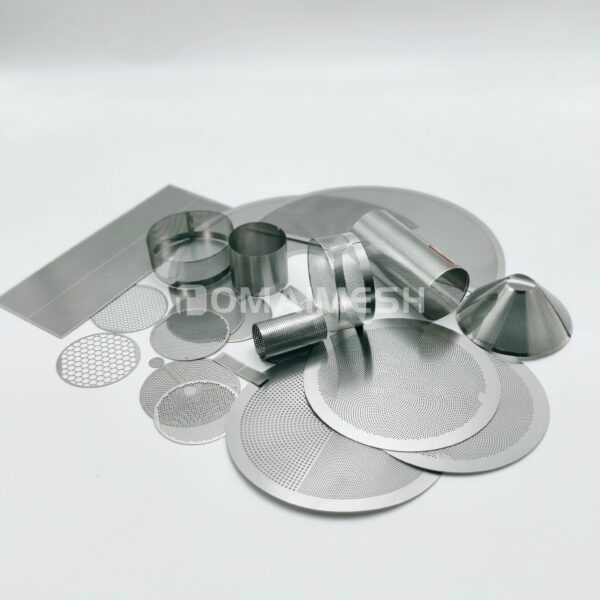
- Architecture: façades, sunscreens, stair balustrades—designers love etching metal mesh for light play and airflow.
- Retail/hospitality: brand walls, ceiling clouds, signage backers.
- Lighting and electronics: glare control, decorative vents, speaker grills (when consistent aperture ratio matters).
Origin note: made in East Development Zone, Anping County, Hengshui, Hebei—an ecosystem with deep metal-processing talent, which, I guess, explains the tight tolerances.
| Vendor Type | Tolerance | Lead Time | Certs | Price Index | Notes |
|---|---|---|---|---|---|
| Specialist (e.g., Tomaifilter) | ±0.02 mm | 2–4 weeks | ISO 9001; material traceability | Medium | Best for complex patterns; stable QA |
| Domestic general shop | ±0.05 mm ≈ | 3–6 weeks | Varies | Low–Medium | OK for simple repeats |
| Overseas boutique | ±0.02 mm | 4–8 weeks | ISO 9001, project docs | High | Strong design support |
- Salt spray (ASTM B117): color-coated panels 480–720 h to first red rust (coastal choice: 316 + PVD does best).
- Adhesion (ISO 2409): cross-cut grade ≤ 1 for PVD; ≤ 2 for paint, depending on color.
- Passivation per ASTM A967 improves corrosion resistance, especially after etch.
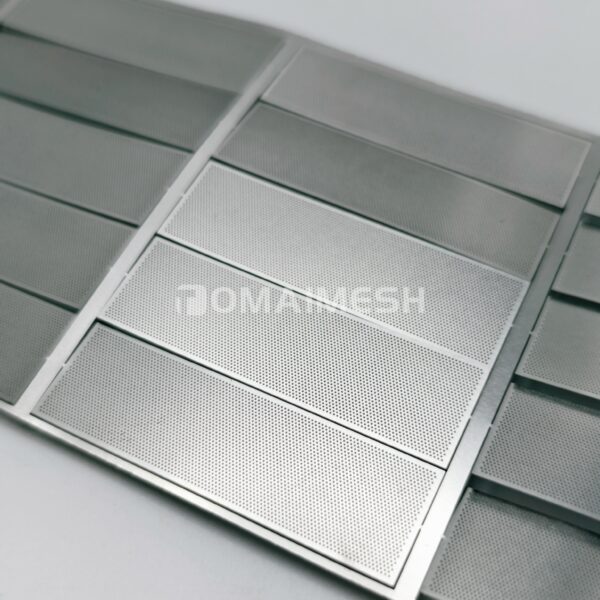
- Coastal hotel façade: 316 mirror + PVD champagne, aperture 32%, panels 1100 × 2200 mm. Result: no blistering at 600 h salt spray; maintenance twice/year.
- Retail ceiling feature: 304 satin, organic pattern 25% open area; acoustic fabric behind. Lead time 21 days door-to-door; installers praised flatness.
Customer feedback? “Edges look laser-cut, but the price didn’t scare the CFO,” as a project manager told me—take that with the usual grain of salt, but it tracks with bids I’ve seen.
Provide CAD with minimum web width ≈ sheet thickness, call out finish (satin/mirror/color), specify environment (coastal/urban/interior), and note any safety edges. For branding walls, designers often push etching metal mesh to 20–40% open area for a good light balance.


Hit enter to search or ESC to close