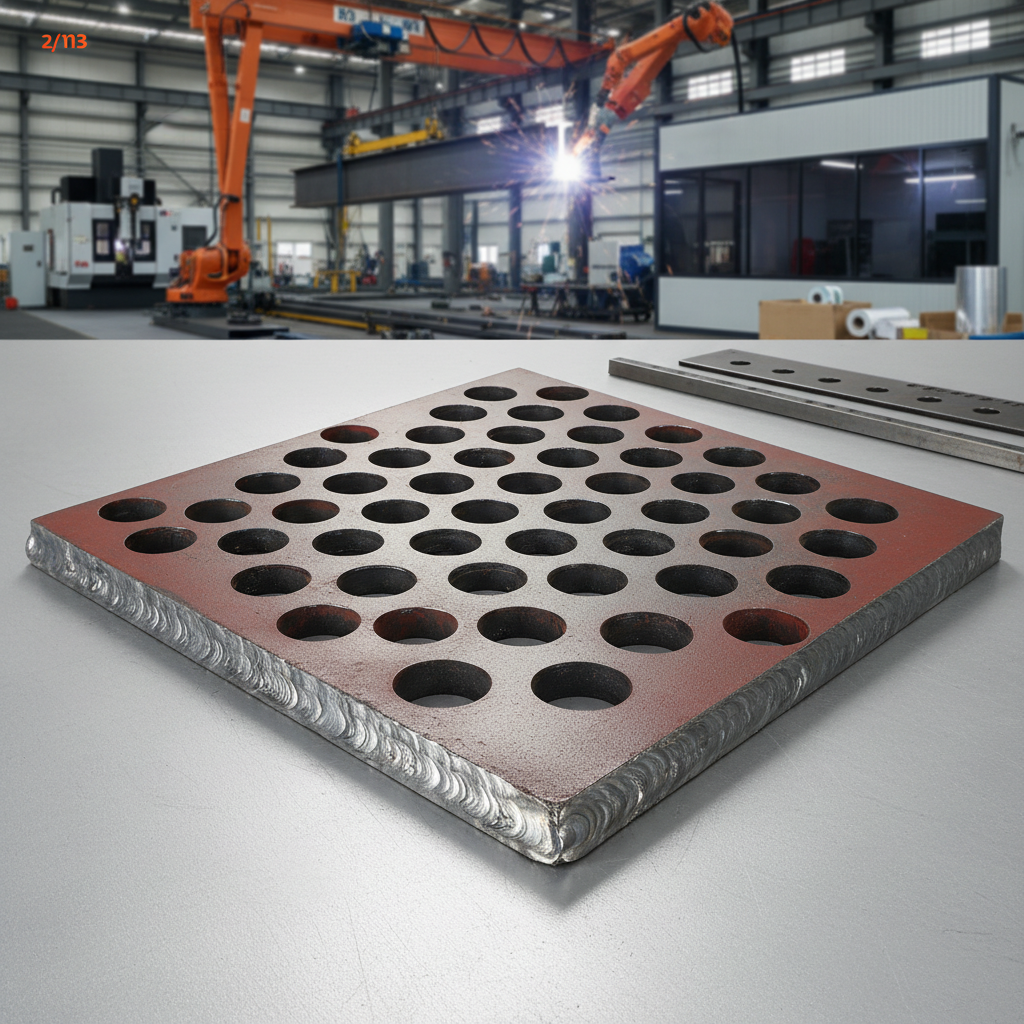
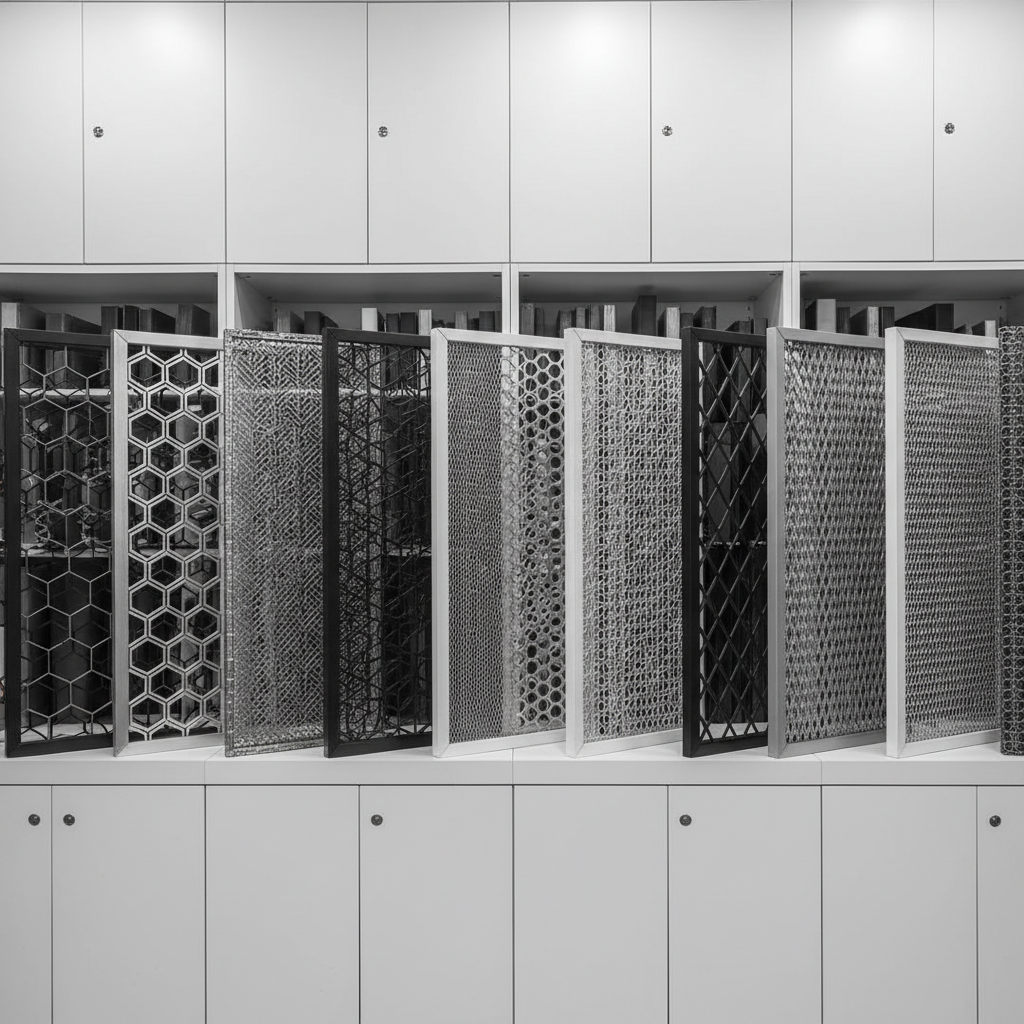
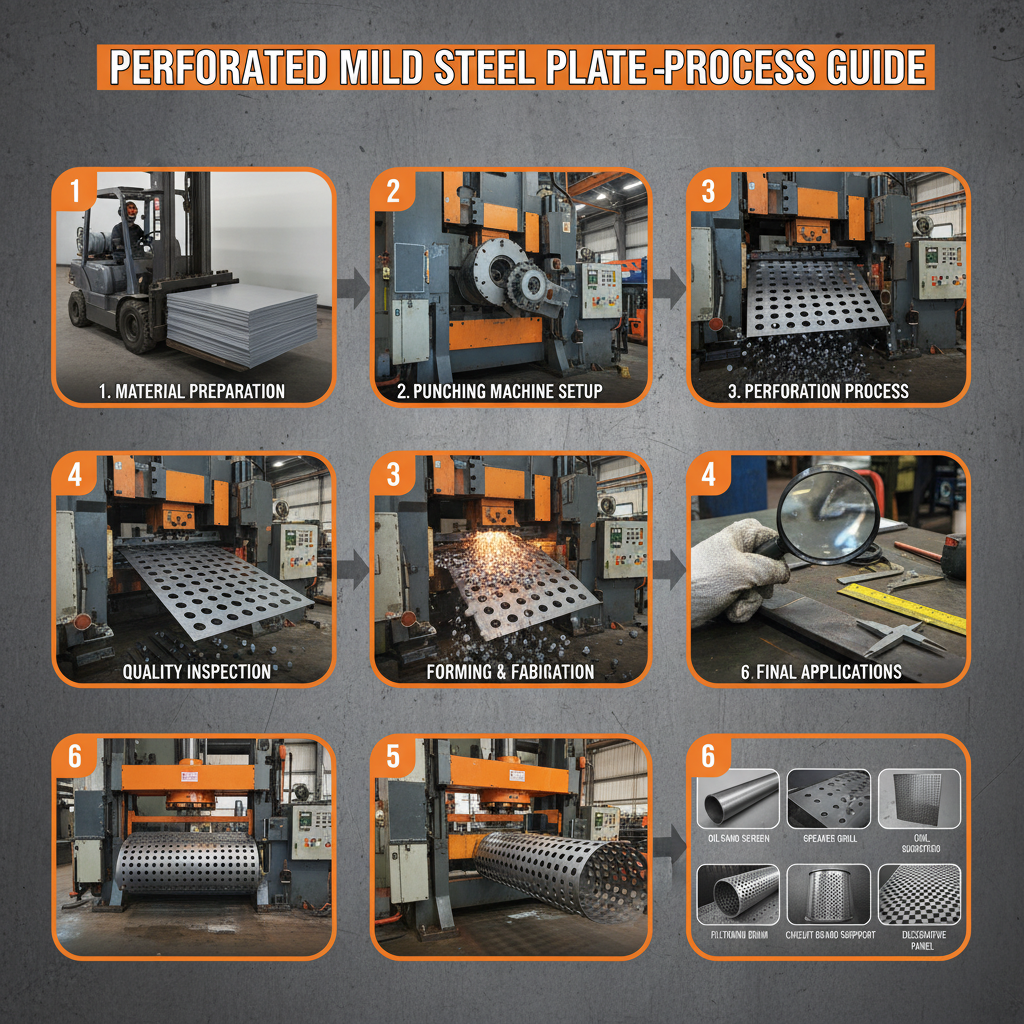
Understanding the perforated plate price requires a comprehensive analysis of material selection, hole geometry, and fabrication complexity. In industrial filtration and structural engineering, the cost is not merely a reflection of raw metal weights but a calculation of the precision required to meet specific flow rates and structural integrity standards.
For procurement managers in the metal products industry, fluctuating commodity prices for stainless steel and specialty alloys create significant budgeting challenges. Balancing the initial investment against the long-term operational lifespan of the plate is critical to avoiding premature failure and costly downtime in high-pressure environments.
This technical guide provides an in-depth breakdown of the factors influencing perforated plate costs, comparing high-performance alloys like Duplex 2205 and Hastelloy C-22. Readers will gain the necessary criteria to evaluate supplier quotes and optimize their material selection for maximum ROI.

1Factors Determining Perforated Plate Cost

The pricing of perforated plates is primarily driven by the "open area" percentage and the complexity of the hole pattern. A higher open area often requires more precise punching or laser cutting to maintain the structural stability of the remaining metal bridges, which increases fabrication time and tooling wear.
Secondary costs arise from edge treatments, such as deburring or polishing. For hygienic applications in food or pharmaceutical sectors, electropolishing is required to achieve a surface roughness of Ra ≤0.2 µm, significantly adding to the final price compared to raw industrial finishes.
Finally, the volume of the order plays a role. Small batch customized designs involve higher setup costs for CNC programming and die preparation, whereas mass-produced standard gauges benefit from economies of scale.
2Material Impact on Pricing and Performance
Material choice is the most significant variable in the perforated plate price. While carbon steel is the most cost-effective for wastewater treatment or agricultural use, it lacks the corrosion resistance required for aggressive chemical environments.
For extreme conditions, Duplex 2205/2507 is utilized for its high yield strength (550–800 MPa) and chloride resistance. Although the material cost is higher, the extended lifespan in offshore oil separators reduces the total cost of ownership (TCO).
Hastelloy C-22 represents the premium end of the pricing spectrum, used almost exclusively in sulfuric acid recovery or high-temperature chemical reactors where almost all other metals would fail rapidly.
3Industrial Applications and Cost Trade-offs
In the Oil & Gas sector, sand control screens utilizing Duplex 2507 with 0.3 mm slots are standard. The high precision required for these slots ensures that fine particles are retained without compromising flow, justifying the higher per-unit cost through improved well productivity.
Conversely, in mining slurry dewatering, the focus shifts to abrasion resistance. Carbon steel screens with specialized epoxy or PVDF coatings are often chosen to maintain a lower price point while providing sufficient protection against abrasive tailings.
The food and beverage industry prioritizes sanitary compliance (FDA/3-A). The requirement for precision-welded profiles and electropolished surfaces means these plates are priced higher than standard industrial mesh to guarantee zero contamination.
4Technical Metrics for Price Evaluation
When evaluating a quote, it is essential to look at the slot geometry tolerance. A tolerance of ±0.05 mm is significantly more expensive to produce than ±0.2 mm but is mandatory for pharmaceutical crystallization where micron-level accuracy is required.
Pressure ratings also influence the cost. Plates designed to withstand ASME B31.3 Class 2500 pressures require thicker base materials and reinforced support rods, which increases both material weight and welding labor.
perforated plate price Performance Metrics
The chart above demonstrates that while high-end perforated plates have a higher initial price, they outperform industry averages in critical areas such as corrosion resistance and structural load capacity, providing better long-term value.
5Procurement Best Practices for Metal Mesh
Effective procurement starts with defining the exact operational environment. Specifying the temperature range (e.g., -200°C to 550°C) and the chemical composition of the fluid allows suppliers to recommend the most cost-effective alloy without over-specifying.
Comparing different design types, such as slotted vs. perforated, can also yield cost savings. Slotted designs may be more efficient for certain dewatering drums, reducing the total amount of material needed to achieve the required open area.
Finally, considering the lead time and delivery schedule. Suppliers who provide integrated CNC calibration and bubble point testing in-house can often reduce overall project costs by eliminating third-party inspection fees.
6Future Trends in Perforation Technology
The shift toward laser-welded support rods and automated TIG welding is reducing weld deviation to ≤0.1 mm. While these technologies require higher initial investment, they eliminate the micro-cracks often found in manual welding, reducing failure rates in subsea pipelines.
Additive manufacturing (3D metal printing) is beginning to challenge traditional perforation for extremely complex geometries. Although currently much more expensive, it allows for non-linear hole shapes that can optimize flow dynamics beyond the capability of mechanical punching.
Sustainability is also driving price changes. The use of recycled high-grade scrap and "green" smelting processes is becoming a requirement for companies adhering to ISO 14001 standards, slightly altering the raw material cost structure.
7Comparative Analysis of Perforation Options
Choosing the right type of metal mesh involves a trade-off between initial perforated plate price and operational efficiency. The following table compares the most common industrial options used in filtration and structural support.
Each option serves a distinct role; for instance, while wedge wire is superior for non-blinding action, standard perforated plates are more economical for simple screening tasks.
| Technology | Best Use Case | Main Strength | Relative Price |
|---|---|---|---|
| Perforated Plate | General Screening | Low Cost / Versatile | Economy |
| Wedge Wire | Dewatering / Slurry | Self-Cleaning / High Flow | Premium |
| Etched Mesh | Micro-Filtration | Extreme Precision | High |
| Expanded Metal | Walkways / Guards | High Strength-to-Weight | Low |
| Woven Wire | Fine Particle Sieve | Uniform Pore Size | Moderate |
| Laser Cut Plate | Custom Architecture | Complex Geometries | High |
Ultimately, the decision should be based on the specific pressure, temperature, and chemical constraints of the system to ensure the selected plate provides the best value over its entire service life.
Frequently Asked Questions
Conclusion
Determining the ideal perforated plate price requires a shift in perspective from initial purchase cost to total operational value. By aligning material selection—such as the high-strength Duplex 2205 or corrosion-resistant Hastelloy C-22—with the specific demands of the application, engineers can prevent premature failures and optimize system flow.
For procurement teams seeking reliable, high-precision metal filtration and perforated solutions, reviewing technical specifications and material certifications is key to quality assurance. Further details on customized configurations and material grades can be explored at www.tomaifilters.com.