In the contemporary landscape of urban design and industrial architecture, perforated architectural panels have emerged as a pivotal intersection of form and function. These engineered components are not merely decorative facades but are strategic tools used by architects to manage light, airflow, and acoustic resonance within a space. As cities become denser and the demand for sustainable building envelopes increases, the ability to customize porosity and material composition makes these panels indispensable for modern construction.
Globally, the shift toward "green" building certifications, such as LEED and BREEAM, has catalyzed the adoption of perforated metal solutions. By reducing solar heat gain through precise shading patterns, these panels significantly lower the energy requirements for HVAC systems, directly addressing the global challenge of carbon emissions in the built environment. The versatility of materials—ranging from aluminum and stainless steel to weathered Corten steel—allows for an aesthetic flexibility that complements both avant-garde skyscrapers and historical renovations.
Understanding the technical nuances of perforated architectural panels is essential for developers and designers who aim to balance durability with visual transparency. Whether utilized as privacy screens, sunshades, or interior ceiling baffles, the strategic application of perforation ratios and hole geometries can transform a monolithic structure into a breathable, dynamic entity. This guide explores the comprehensive utility, engineering standards, and future trajectory of these high-performance architectural elements.
Global Relevance of Perforated Architectural Panels
The global architectural trend is currently leaning toward "biophilic design," where the goal is to integrate natural elements and light into man-made structures. perforated architectural panels serve as the perfect medium for this, acting as a "skin" that filters harsh sunlight into dappled patterns, mimicking the effect of a forest canopy. This not only improves the psychological well-being of occupants but also reduces the dependency on artificial lighting.
From a technical standpoint, the industry is seeing a massive surge in the use of high-grade alloys to meet ISO durability standards. In regions with high salinity or humidity, such as coastal cities in Southeast Asia or the Middle East, the use of perforated aluminum and stainless steel ensures that structures remain corrosion-resistant while maintaining a lightweight profile. This global demand is driven by the need for materials that can withstand extreme weather while contributing to the building's thermal efficiency.
Defining the Engineering of Perforated Panels
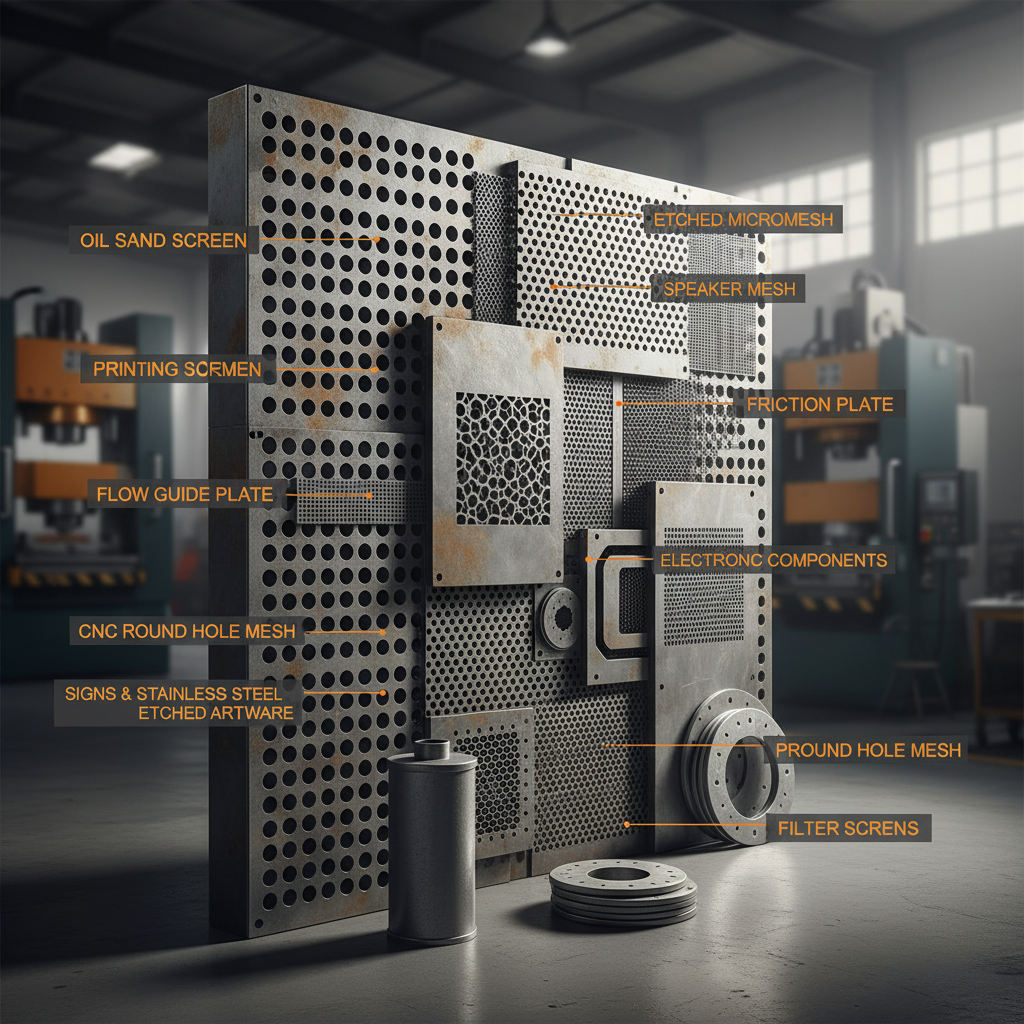
At its most basic level, perforated architectural panels are metal sheets that have been processed with a series of holes—ranging from circular and square to custom organic shapes—using CNC punching or laser cutting technology. Unlike simple mesh, architectural panels are engineered for specific "open area" percentages. This open area is the ratio of the void space to the total surface area, which directly dictates the panel's transparency, airflow, and structural rigidity.
These panels bridge the gap between solid walls and open screens. In modern industry, they are often integrated with other systems, such as Etched Metal Mesh or Expanded Metal Mesh, to create multi-layered facades. This layering allows architects to control privacy levels and light diffusion with surgical precision, making the panels a functional tool for environmental control rather than just a cladding choice.
The connection to humanitarian and urban needs is evident in the creation of public spaces. In crowded urban centers, perforated panels provide necessary security and boundary definition without creating a feeling of claustrophobia. They allow for natural ventilation in parking garages, walkways, and public plazas, ensuring that safety and comfort are maintained through intelligent material engineering.
Core Components for Structural Performance
Material Selection is the first pillar of performance for perforated architectural panels. Depending on the project, aluminum is chosen for its weight-to-strength ratio, stainless steel for its hygiene and corrosion resistance, and Corten steel for its unique self-protecting rust layer. The choice of material dictates the panel's lifespan and its reaction to the surrounding environment.
Perforation Pattern and Density are critical for functional outcomes. A high open-area percentage increases airflow and transparency but may reduce the panel's load-bearing capacity. Engineers must calculate the precise balance between the hole diameter and the bridge width (the metal remaining between holes) to ensure the panels do not warp or fail under wind loads, especially in high-rise applications.
Surface Treatment and Finishing provide the final layer of protection and aesthetic appeal. Powder coating, anodizing, and PVDF coatings are commonly applied to perforated architectural panels to prevent oxidation and to match specific brand colors. These finishes ensure that the panels maintain their visual integrity for decades, reducing long-term maintenance costs for facility managers.
Global Applications and Use Cases
In real-world contexts, perforated architectural panels are utilized across a vast spectrum of industries. In the transportation sector, they are widely used for airport terminals and train station facades to manage massive crowds while ensuring natural ventilation. In North America and Europe, these panels are frequently seen in corporate headquarters as "double-skin" facades that shield glass interiors from direct solar radiation, thereby cutting cooling costs.
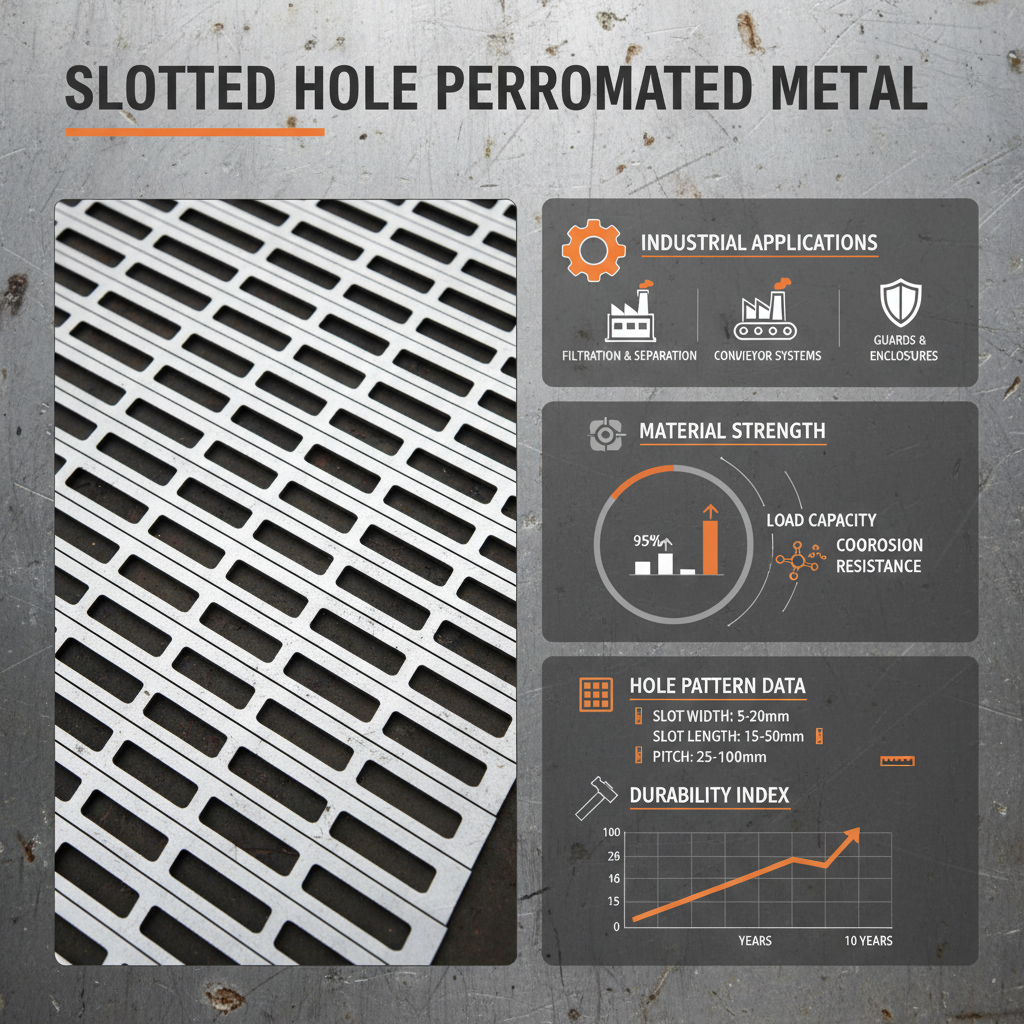
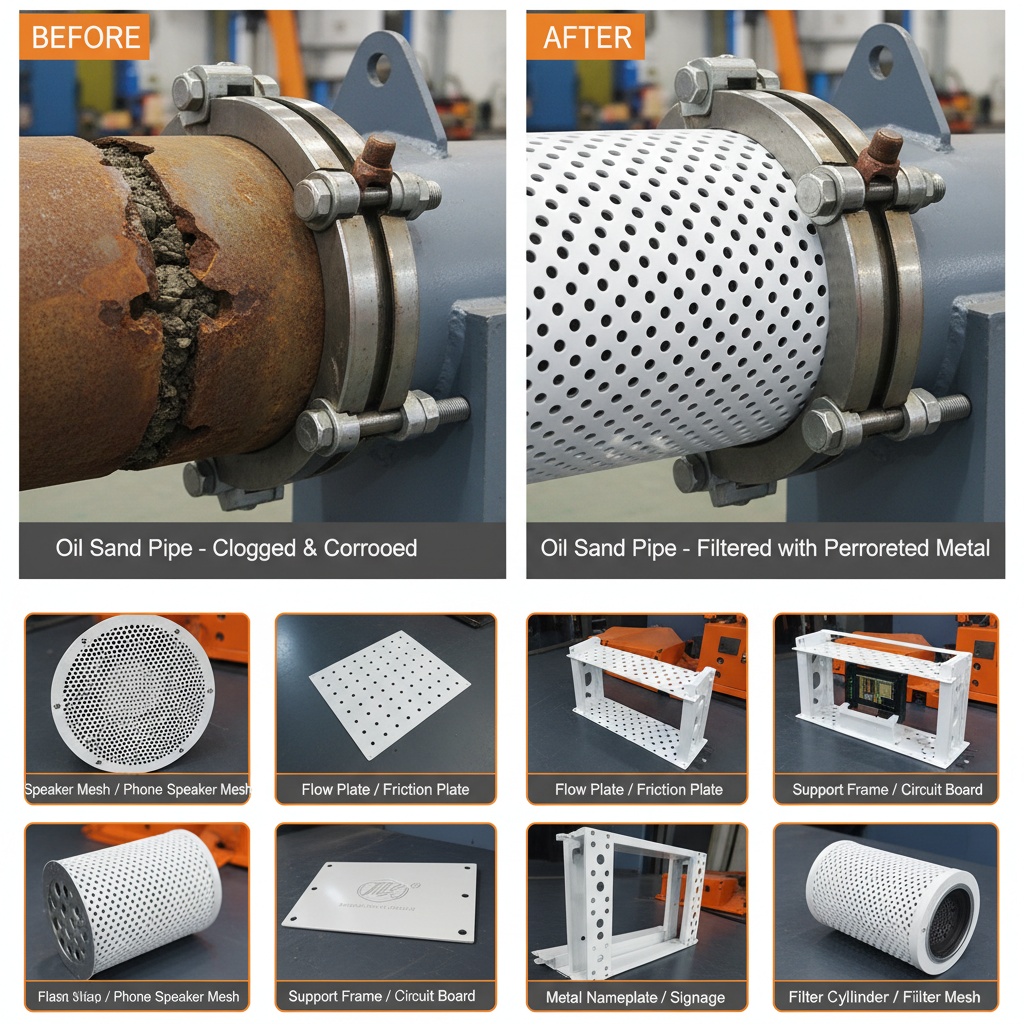
Beyond commercial use, these panels play a role in industrial safety and infrastructure. In remote industrial zones or oil and gas facilities, perforated steel is used for safety walkways and machine guards, providing a slip-resistant surface that allows debris and liquids to fall through. Similarly, in urban residential projects, they are employed as balcony screens that provide privacy from neighbors while maintaining a connection to the outdoors.
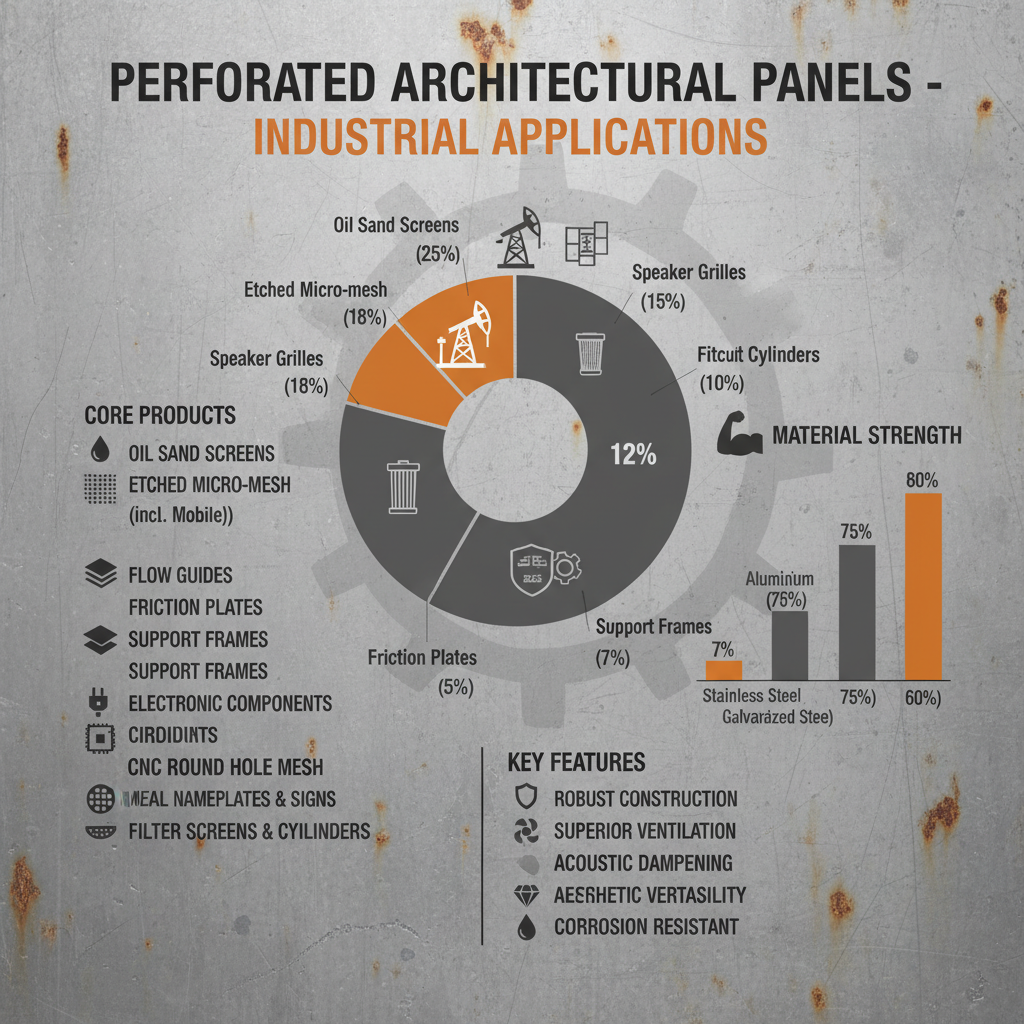
Performance Efficiency of Various Perforated Panel Types
Long-Term Value and Sustainability
The long-term value of investing in perforated architectural panels lies in the synergy between durability and energy savings. From a logical perspective, the reduction in solar heat gain translates directly into lower utility bills over the building's lifecycle. From an emotional perspective, these panels provide a sense of security and privacy without the oppressive feeling of a solid wall, fostering an environment of openness and trust.
Sustainability is further enhanced by the recyclability of the metals used. Aluminum and steel can be recycled indefinitely without losing their structural properties, making these panels a circular economy choice. By opting for perforated solutions over composite plastics or non-recyclable cladding, developers significantly reduce the environmental footprint of their projects, aligning with global mandates for sustainable urban development.
Future Trends in Metal Perforation
The future of perforated architectural panels is being shaped by the integration of parametric design and AI. Architects can now use algorithms to vary the hole size across a single panel—creating "gradients" of transparency that respond to the sun's path throughout the day. This digital transformation allows for a level of customization that was previously impossible, turning building facades into data-driven installations.
Furthermore, the rise of "smart materials" is beginning to influence the industry. We are seeing the development of photochromic coatings that change the opacity of the perforations based on UV intensity. This means the panels could theoretically "close" or "darken" during peak summer hours and "open" during winter, maximizing passive solar heating and cooling automatically.
Automation in manufacturing, specifically the use of high-speed fiber lasers, is also driving down costs and lead times. This democratization of technology means that complex, custom-perforated designs are no longer reserved for high-budget luxury projects but are becoming accessible for small-scale community buildings and affordable housing, enhancing the aesthetic quality of urban living for all.
Overcoming Implementation Challenges
Despite their benefits, the implementation of perforated architectural panels often faces challenges regarding acoustic management. While the holes allow air to pass, they can sometimes create "echo chambers" if not designed correctly. The solution lies in integrating acoustic backing materials, such as mineral wool or perforated foam, behind the metal panels to absorb sound waves rather than reflecting them.
Another common limitation is the accumulation of dust and pollutants within the perforations, which can dull the finish over time. Expert insight suggests the use of hydrophobic coatings and the strategic orientation of panels to allow rainwater to naturally flush out debris. Regular maintenance schedules, involving low-pressure washing, can preserve the panels' luminosity and functional transparency.
Finally, the complexity of installation can lead to cost overruns. To overcome this, the industry is moving toward modular, prefabricated framing systems. By designing the perforated architectural panels as part of a snap-fit kit, installation time is reduced, and the risk of on-site alignment errors is minimized, ensuring a seamless architectural finish.
Technical Analysis of Perforated Panel Material Specifications
| Material Type |
Corrosion Resistance |
Weight Factor |
Aesthetic Versatility |
| Aluminum Alloy |
High (Anodized) |
Very Light |
Excellent |
| 304 Stainless Steel |
Very High |
Heavy |
Modern/Sleek |
| 316 Stainless Steel |
Extreme (Marine) |
Heavy |
Industrial |
| Corten Steel |
Self-Protecting |
Moderate |
Rustic/Organic |
| Galvanized Steel |
Moderate |
Moderate |
Basic/Functional |
| Copper Alloys |
High (Patina) |
Heavy |
Luxury/Classic |
FAQS
The choice depends on your primary goal. For maximum sunlight filtration and airflow, a higher open area (above 50%) is recommended. If privacy and security are the priorities, a lower ratio (20-30%) works best. We recommend performing a light-study simulation to see how different ratios affect the interior environment before finalizing the design.
The initial fabrication cost is slightly higher due to the CNC punching or laser cutting process. However, the long-term value is significantly higher because they reduce energy costs for cooling and lighting. Additionally, they often require less structural support due to reduced wind load compared to solid walls.
For marine environments, Grade 316 Stainless Steel or Anodized Aluminum are the gold standards. Grade 316 contains molybdenum, which specifically resists chloride pitting caused by salt air. Anodized aluminum creates a hard oxide layer that prevents the base metal from corroding, ensuring the facade remains pristine.
By themselves, they are reflective. However, when used as the outer layer of an acoustic sandwich—with sound-absorbent mineral wool or recycled PET felt behind them—they become highly effective sound-diffusing systems. This is why they are frequently used in auditoriums and office lobbies.
They are typically installed using a sub-frame system (rail and bracket). The panels are either riveted, screwed, or clamped to the aluminum or steel rails. This creates a "ventilated facade" gap, which allows air to circulate behind the panels, further improving the building's thermal insulation.
Yes, this is called "perforated imagery." By varying the size of the holes across the panel, a grayscale image is created through varying levels of transparency. This is achieved via parametric software and high-precision CNC machines, allowing the building itself to act as a canvas for branding or art.
Conclusion
In summary, perforated architectural panels represent a sophisticated synthesis of material science and artistic vision. By mastering the balance of open-area ratios, material selection, and surface treatments, architects can solve complex problems related to thermal regulation, acoustic control, and urban aesthetics. These panels transform static buildings into living skins that breathe and interact with their environment, providing tangible economic value through energy efficiency and long-term durability.
As we look toward a future of smarter, greener cities, the role of engineered metal solutions will only grow. We encourage designers and developers to move beyond standard patterns and explore parametric possibilities to create truly unique, sustainable spaces. For high-quality fabrication and expert consultation on your next architectural project, visit our website: www.tomaifilters.com