
28 Oct 2026
THE BUYER'S GUIDE / SELECTION
A practical buyer's guide to selecting the right basket filter strainer. This article covers how to match material grade, filtration precision, pressure rating, and structural design to your specific application — from cooling water systems to offshore chemical processing — using confirmed product specifications from TOMAIMESH® RELIABLE & PRECISE.
Material grade and corrosion resistance: match to fluid chemistry using PREN ratings and industry standards (316/316L for chloride service, Duplex 2205/2507 for offshore/acidic, Hastelloy C-276 for oxidizing media, Carbon Steel for neutral cooling water).
Filtration precision: select mesh size within the 50–2,000 µm range based on the maximum allowable particle size for downstream equipment; dual-layer coarse/fine construction for mixed debris streams.
Pressure rating: confirm unit rating (1.6–6.4 MPa, ASME B16.34) meets or exceeds design pressure including surge allowance; reinforced laser-welded frame for hydraulic and steam service.
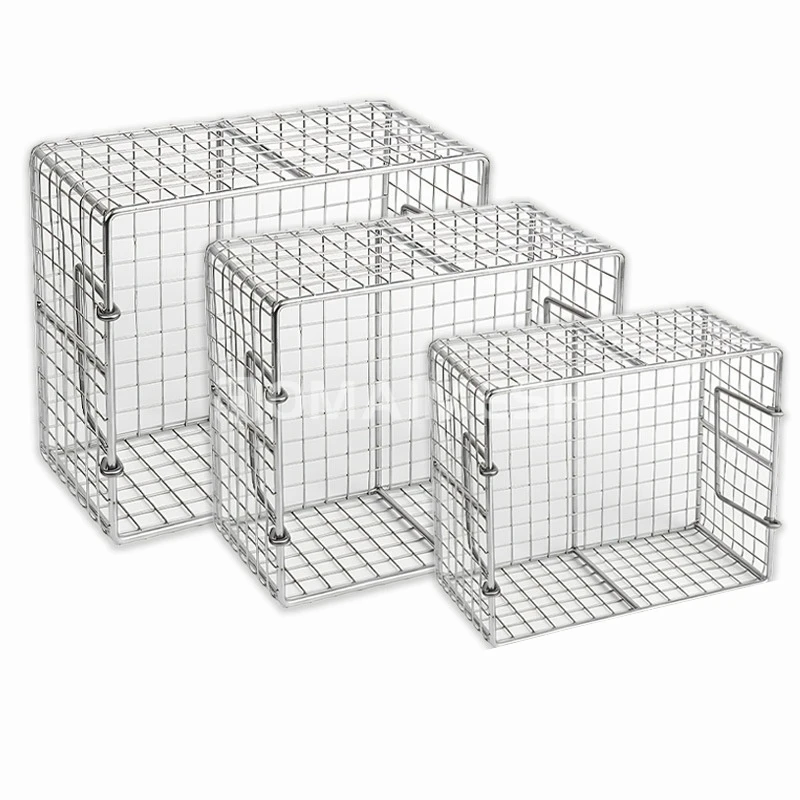
Dimensional fit: match inlet/outlet size (½″–24″) to pipe bore and flange standard; select basket capacity (5–2,000 L) to meet solids loading and acceptable cleaning interval.
Surface finish: specify electropolished Ra ≤ 0.8 µm for sanitary or high-purity service; passivation for standard industrial applications.
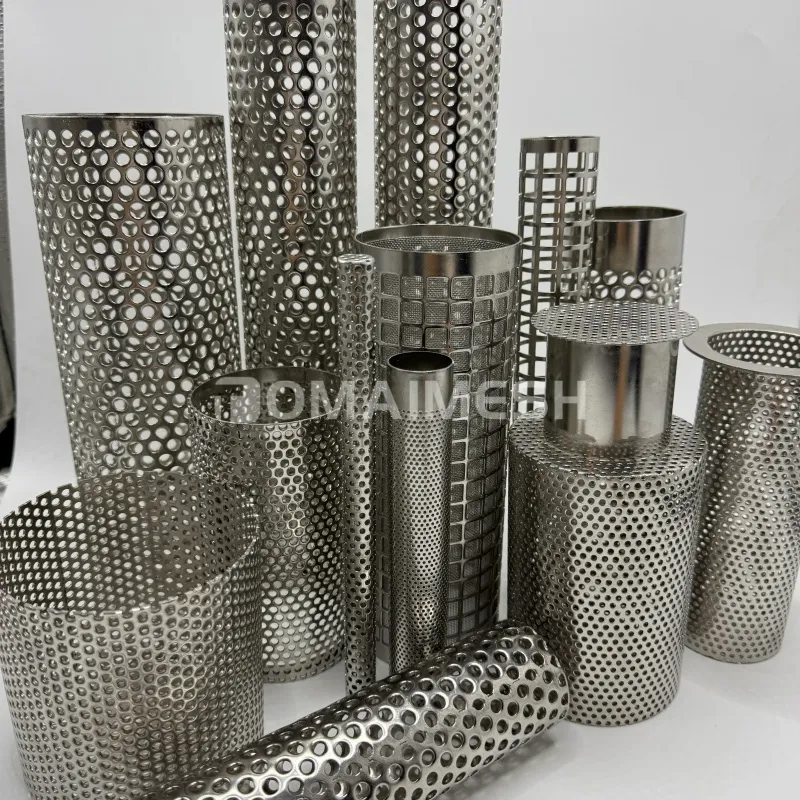
A basket filter strainer is an inline filtration device that uses a perforated or mesh basket to trap solid particles from liquid pipelines, protecting downstream equipment from contamination and wear. The basket sits inside a housing and can typically be removed for cleaning or replacement without cutting the pipeline.
Selecting the wrong basket filter strainer creates real operational risks: undersized filtration precision allows damaging particles through, an unsuitable material grade corrodes in weeks, and an under-rated pressure housing can fail structurally. The selection checklist below is built around confirmed product specifications so procurement teams can match hardware to process conditions before placing an order.
Material choice is the first decision because it directly determines service life and safety.
| Material | Key Property | Typical Application Fit |
|---|---|---|
| 316 / 316L Stainless Steel | PREN ≥ 27 | Chloride-rich environments, seawater intake, chemical processing |
| Duplex 2205 / 2507 | PREN ≥ 35; yield strength 550–800 MPa | Offshore oil platforms, acidic wastewater filtration |
| Hastelloy C-276 | Exceptional resistance to oxidizing media (per ASTM G48) | Chlor-alkali plants, sulfuric acid scrubbers |
| Carbon Steel + Epoxy Coating | Cost-efficient; NACE MR0175 compliant | Cooling water systems, HVAC strainers |
| 304 Stainless Steel | General-purpose corrosion resistance | Low-chloride water systems, food-grade environments |
Buyer guidance: If your process fluid contains chlorides above trace levels, 316 / 316L is the minimum acceptable grade. For offshore or highly acidic streams, specify Duplex 2205 or 2507. Only opt for Carbon Steel when the fluid is neutral and the line is not subject to NACE sour-service requirements.
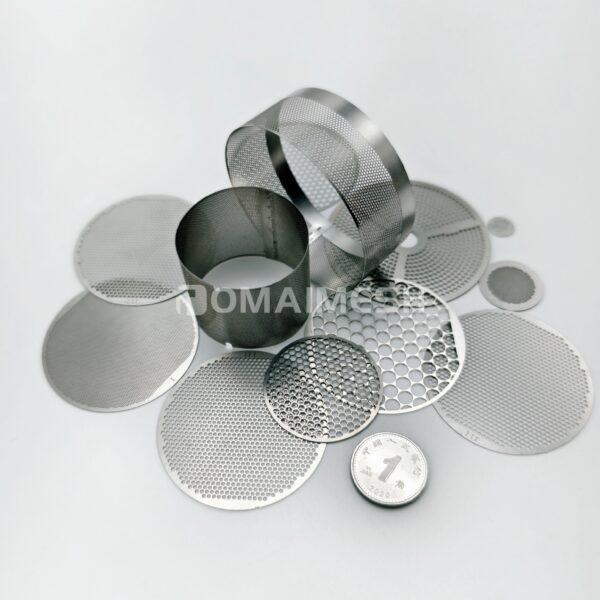
Filtration precision determines which particle sizes are retained. The product is available with filtration precision of 50 µm to 2,000 µm with ±5% hole uniformity, certified to ASTM E11.
The dual-layer filtration design combines:
A high open area of 30–70% reduces pressure drop across the basket, an important factor when flow rate or pump head is constrained.
Buyer guidance: Define the maximum allowable particle size at your downstream equipment (e.g., pump seals, heat exchanger tubes, instrumentation). Select a mesh size at or below that threshold. Where the feed stream carries mixed coarse and fine debris, the dual-layer construction avoids premature clogging and extends cleaning intervals.
The basket filter strainer must withstand both normal operating pressure and transient surge pressures. Confirmed pressure ratings span 1.6 MPa to 6.4 MPa in compliance with ASME B16.34.
Reinforced structural supports — laser-welded ribs 3–15 mm in width — allow the basket to endure pressures exceeding 150 bar in hydraulic systems and steam lines.
Buyer guidance: Identify your design pressure (including safety margin and surge allowance), then confirm the selected unit's rating meets or exceeds that figure. High-pressure hydraulic and steam applications require the laser-welded reinforced frame option; standard fabrication is adequate for low-pressure cooling or water supply lines.
Installation geometry must match pipeline and vessel constraints.
Larger basket capacities are particularly important in high-debris applications where frequent manual cleaning would create unacceptable process downtime. Oversizing the basket relative to expected solids loading reduces cleaning frequency and extends run time between maintenance cycles.
Buyer guidance: Confirm the pipe flange or thread standard (ASME, DIN, JIS) and nominal bore before specifying an inlet/outlet size. Estimate particle load and cleaning interval requirements, then size basket capacity accordingly.
Surface finish affects both corrosion resistance and hygiene compliance:
Buyer guidance: For pharmaceutical, food, or high-purity chemical applications, specify electropolished Ra ≤ 0.8 µm. For standard industrial service, passivation alone is generally sufficient. Confirm the finish specification in your purchase order to avoid receiving a standard mill-finish basket in a sanitary application.
The specifications above are drawn from the Basket Filter Strainer product offered by TOMAIMESH® RELIABLE & PRECISE. The product supports the material grades, precision range, pressure ratings, dimensions, and surface finishes described in each criterion section. Contact TOMAIMESH® RELIABLE & PRECISE. directly to discuss construction options, custom dimensions, or application-specific requirements.
Before finalizing your basket filter strainer specification, confirm the following:
Addressing each item against confirmed product specifications reduces the risk of premature failure, unplanned downtime, or non-compliance with process safety standards.
THE PEOPLE

About the author
THE COMPANY
TOMAIMESH is a professional manufacturer of chemical etching precision microhole screen plate, CNC punching mesh, filter, screen deep processing manufacturers.The main products are: oil sand pipe, etching micromesh, printing mesh, loudspeaker mesh, mobile phone loudspeaker mesh, runner, friction plate, support frame, circuit board, electronic accessories, metal nameplate, signage and stainless steel etching crafts, CNC round hole mesh, punching mesh and filter cylinder, filter mesh and other screen deep processing…
About Us ↗Visit company website ↗YOUR NEXT STEP
Use case, specification, quantity and delivery window: make the next conversation specific.


Hit enter to search or ESC to close
