In the modern landscape of structural metal fabrication, perforated steel tape has emerged as a critical component for industries requiring a precise balance of strength, ventilation, and flexibility. Whether used as a reinforcing agent in construction or as a specialized filter medium, this versatile material solves complex engineering challenges by providing a controlled open area without compromising the structural integrity of the steel.
Across the global market, the demand for high-precision metal components is shifting toward materials that offer multi-functional utility. The adoption of perforated steel tape allows engineers to reduce material waste while enhancing the performance of assembly lines and architectural installations, making it an essential asset in the transition toward more efficient manufacturing processes.
Understanding the technical nuances of this material—from hole geometry and pitch to metallurgical composition—is vital for optimizing long-term durability and cost-efficiency. By integrating this specialized tape into industrial workflows, companies can achieve superior mechanical interlocking and improved fluid dynamics, ensuring that their end products meet rigorous international safety and quality standards.
Global Industry Context of Perforated Steel Tape
The global manufacturing sector, particularly within the structural metal products industry, has seen a significant rise in the deployment of perforated steel tape to meet ISO standards for safety and efficiency. As infrastructure projects in developing regions expand, the need for lightweight yet robust fastening and filtration solutions has propelled the use of these perforated strips, which provide essential airflow and drainage capabilities in harsh environments.
Industry data suggests that the integration of precision-perforated materials reduces structural weight by up to 15% without sacrificing load-bearing capacity. This shift is driven by the urgent need to lower carbon footprints in construction and the increasing complexity of industrial filtration systems, where perforated steel tape acts as a primary barrier or support structure in high-pressure applications.
Definition and Technical Meaning
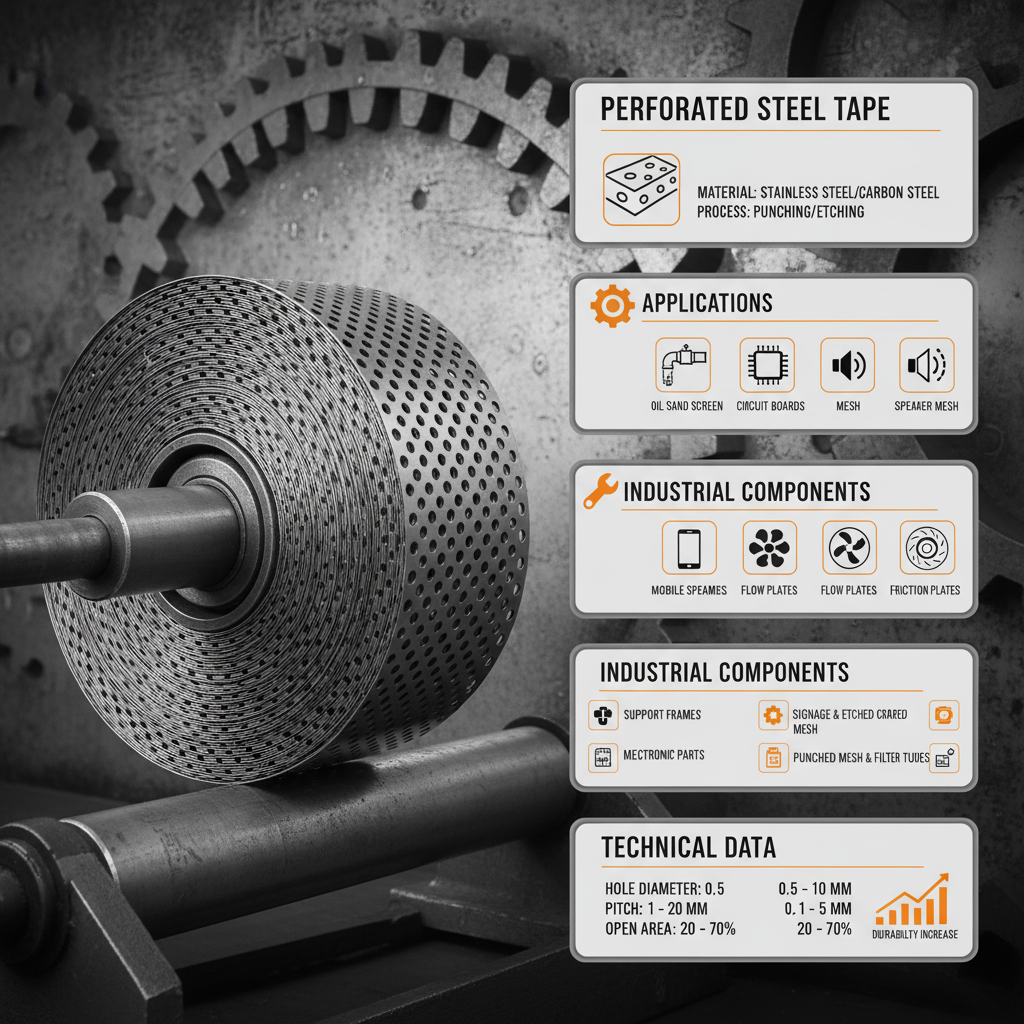
At its core, perforated steel tape refers to a continuous strip of steel—typically stainless, carbon, or galvanized—that has been engineered with a series of precisely punched or etched holes. Unlike standard mesh, the "tape" format allows for easy winding, precise cutting to length, and seamless integration into narrow channels or wraparound applications.
In the context of modern industry, this material is more than just a strip of metal; it is a precision-engineered tool. The "perforations" are designed to facilitate specific functions, such as allowing gas exchange, providing a gripping surface for adhesives or welds, or acting as a preliminary stage in complex metal filtration systems.
From a humanitarian and urban development perspective, this material is often used in the creation of low-cost, durable safety barriers and reinforcement tapes for seismic-resistant buildings. Its ability to be manufactured in various widths and thicknesses makes it a universal solution for both heavy industrial machinery and delicate architectural details.
Key Factors Driving Material Performance
Durability is the foremost factor when selecting perforated steel tape. The choice of alloy—such as 304 or 316 stainless steel—determines the material's resistance to oxidation and chemical corrosion, which is critical for applications in marine environments or chemical processing plants where longevity is non-negotiable.
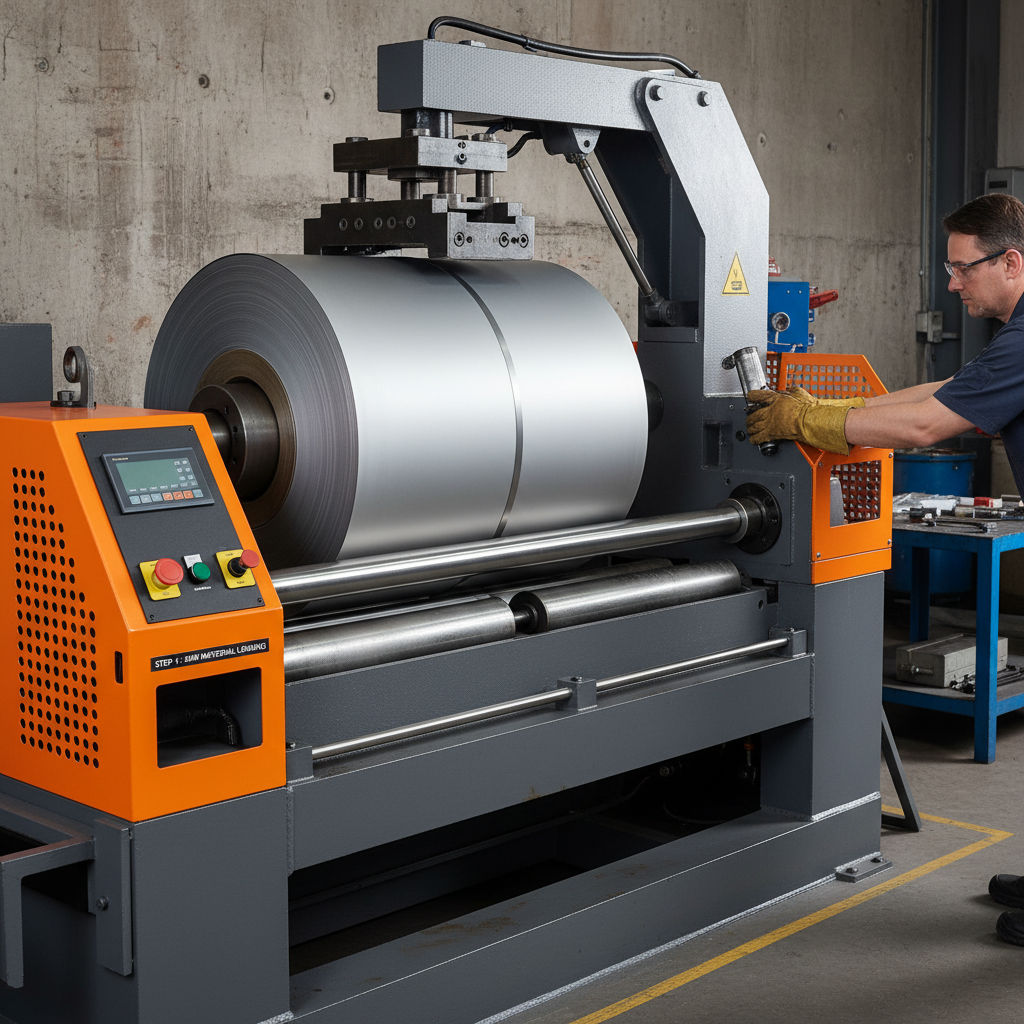
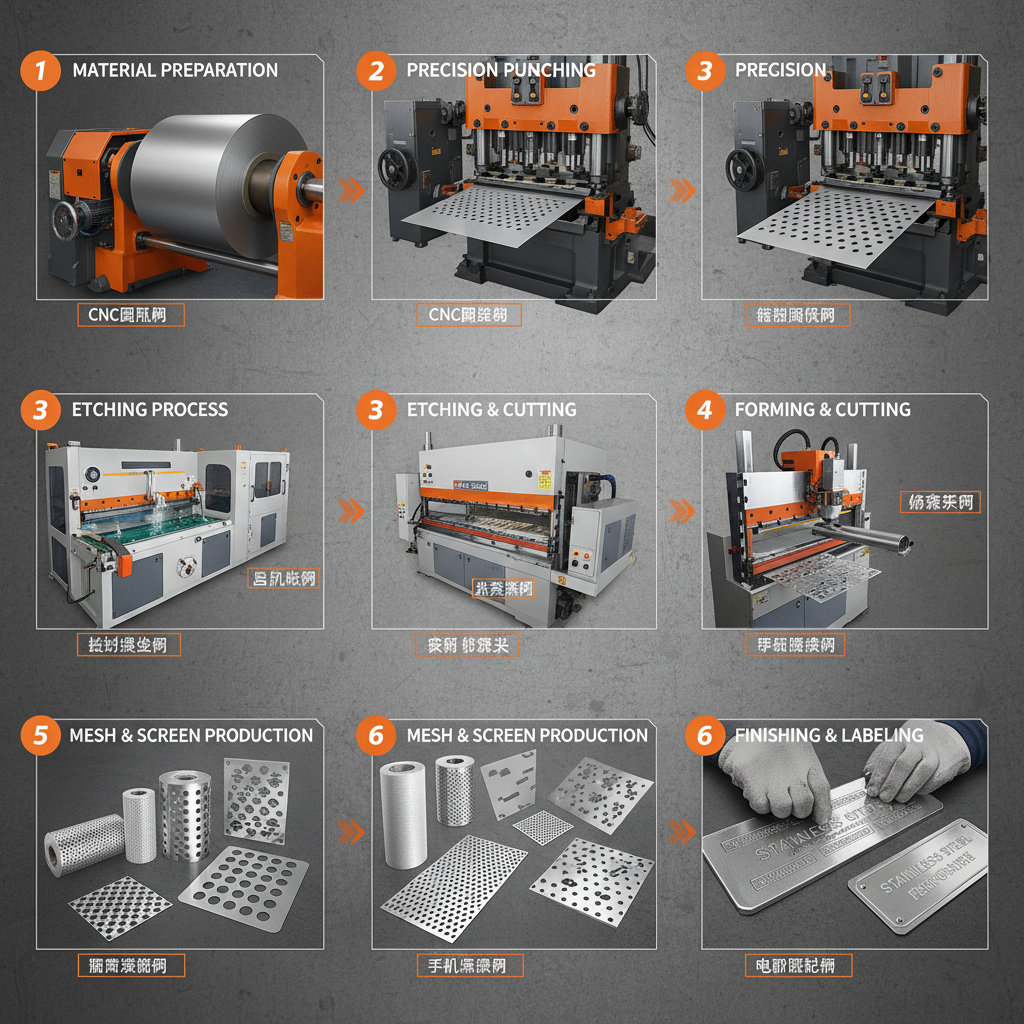
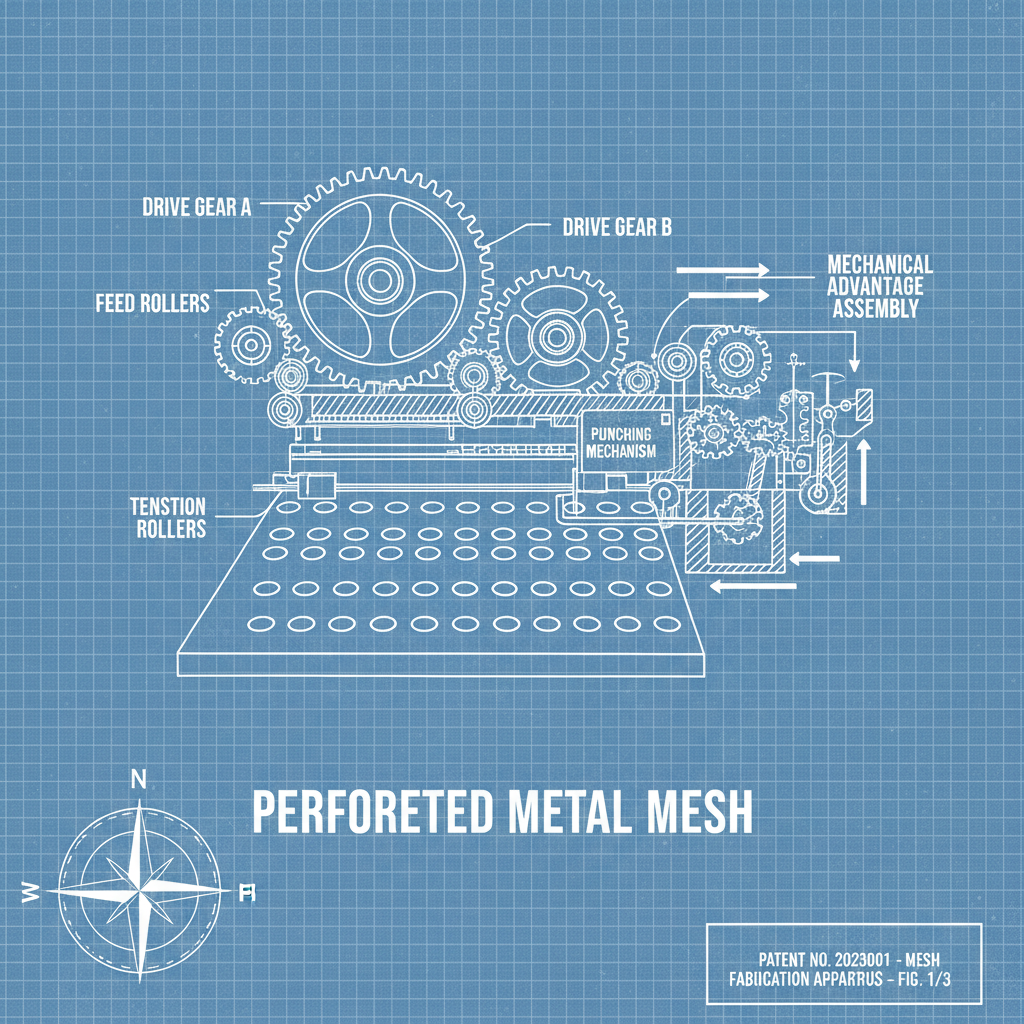
Precision and scalability are achieved through advanced CNC punching and laser etching. By controlling the hole diameter and the bridge width (the space between holes), manufacturers can fine-tune the "open area percentage," ensuring that the perforated steel tape provides the exact amount of permeability required for a specific filtration or ventilation task.
Cost-efficiency is realized not just in the initial purchase, but in the ease of installation. Because it is supplied in rolls, the tape minimizes on-site fabrication time. Furthermore, its compatibility with standard welding and fastening tools means that labor costs are significantly reduced during the assembly of large-scale structural metal projects.
Global Applications and Use Cases
The versatility of perforated steel tape allows it to be utilized across diverse geographical and industrial zones. In North America and Europe, it is frequently employed in high-end architectural facades and HVAC systems to provide aesthetic appeal while maintaining strict air-flow regulations. Meanwhile, in the industrial hubs of Asia, it is a staple in the automotive and electronics sectors for cable management and heat dissipation.
In more challenging contexts, such as post-disaster relief operations or remote industrial mining zones, this material is used to create rapid-deployment reinforced supports and temporary filtration screens. Its ability to be transported in compact rolls and deployed quickly makes it invaluable for organizations like the UN or NGOs when constructing semi-permanent infrastructure in unstable terrains.
Performance Comparison of Perforated Steel Tape Variations
Advantages and Long-Term Value
The primary advantage of utilizing perforated steel tape lies in its exceptional reliability. Unlike plastic alternatives, steel tape does not degrade under UV exposure or extreme temperature fluctuations, ensuring that safety barriers and filtration systems remain functional for decades. This reliability fosters a sense of trust and security, especially in high-stakes environments like chemical plants or skyscraper construction.
From a sustainability perspective, the long-term value is found in the material's recyclability. Steel is one of the most recycled materials on earth, and using precision-perforated tape reduces the overall volume of metal required for a project, thereby lowering the embodied energy of the structure. This alignment with "green building" standards makes it a preferred choice for forward-thinking architects and engineers.
Future Trends and Technological Innovations
The future of perforated steel tape is being shaped by the digital transformation of manufacturing. The integration of AI-driven design allows for "generative perforation," where the hole patterns are optimized by algorithms to provide maximum strength at the minimum possible weight, creating a bio-mimetic structure that mimics natural efficiency.
Moreover, the rise of nanotechnology is leading to the development of "smart coatings" for these tapes. Imagine a perforated steel tape that can self-heal from minor scratches or change its surface tension to repel oil and water more effectively. Such innovations are set to revolutionize the metal filtration industry, reducing maintenance cycles and increasing operational uptime.
Automation in production is also reducing the margin of error. With the advent of ultra-high-speed fiber lasers, the precision of the perforations can now be measured in microns, allowing the tape to be used in high-tech applications such as semiconductor clean-room ventilation and aerospace heat shields.
Challenges and Expert Solutions
One of the most common challenges with perforated steel tape is the risk of "burring"—small, sharp metal fragments left behind after the punching process. These burrs can compromise the safety of handlers and lead to premature failure in filtration systems by trapping debris. To solve this, expert manufacturers are now utilizing advanced deburring technologies, including centrifugal barrel finishing and chemical polishing, to ensure a smooth, safe surface.
Another limitation is the potential for deformation during the bending or wrapping process. When a tape is perforated, its structural rigidity changes. The solution lies in calculating the "grain" of the perforation; by aligning the holes strategically relative to the bend line, engineers can prevent tearing and ensure a clean, professional finish.
Finally, corrosion in extreme environments remains a hurdle. While stainless steel is effective, some acidic environments require even higher protection. The expert approach here is the application of PVD (Physical Vapor Deposition) coatings or specialized fluoropolymer linings, which provide an impenetrable shield without clogging the essential perforations of the tape.
Comparative Analysis of Perforated Steel Tape Specifications
| Material Grade |
Perforation Method |
Corrosion Resistance |
Typical Application |
| SS 304 |
Mechanical Punching |
High (Standard) |
General HVAC / Architecture |
| SS 316L |
Laser Cutting |
Excellent (Marine) |
Chemical Filtration |
| Galvanized Steel |
High-Speed Punching |
Medium |
Construction Reinforcement |
| Carbon Steel |
Mechanical Punching |
Low (Requires Paint) |
Heavy Industrial Grating |
| Nickel Alloy |
Photo-Etching |
Ultra-High |
Aerospace Heat Shields |
| Aluminum Alloy |
Laser Cutting |
High (Lightweight) |
Electronics Heat Sinks |
FAQS
The primary difference is the form factor and structural continuity. While mesh is usually woven or knitted wires, perforated steel tape is a solid strip of metal with holes punched through it. This makes the tape significantly stronger in terms of tensile strength and allows it to be used as a reinforcing element or a precision-wrapped filter, whereas mesh is typically used for screening and filtering larger volumes of material.
Choosing the right hole size depends on the intended function. For filtration, the hole diameter must be smaller than the particles you wish to capture. For ventilation, you need to calculate the "open area percentage" to ensure sufficient airflow. We recommend consulting a technical datasheet or an engineer to balance the hole size with the bridge width to ensure the tape doesn't lose its structural integrity.
Yes, provided you select the correct material. Stainless steel grades like 316L are specifically designed for marine and chemical environments. For even more extreme conditions, such as high-acid exposure, we suggest utilizing tapes with specialized PVD coatings or fluoropolymer linings that protect the steel from chemical reactions while maintaining the precision of the perforations.
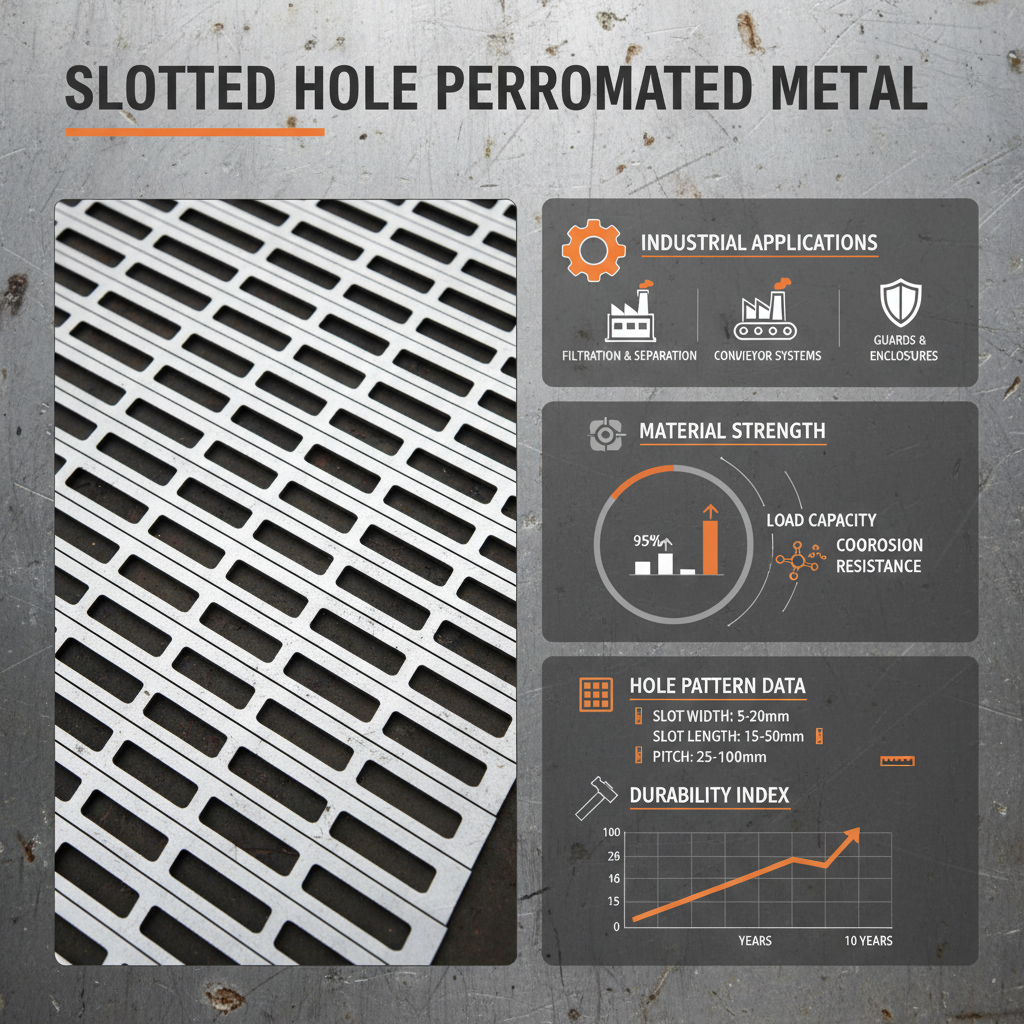
Absolutely. With modern CNC and laser-cutting technology, patterns can be completely customized. Whether you need staggered circles, slotted holes, or complex geometric shapes for a specific aesthetic or mechanical purpose, custom designs can be implemented. The key is to ensure the remaining "bridges" of metal are wide enough to support the intended load.
The open area is the ratio of the total area of the holes to the total surface area of the tape. It is calculated by multiplying the area of a single hole by the number of holes per unit area, then dividing by the total area. This percentage is critical for determining the permeability of the tape in filtration and ventilation applications.
Any removal of material technically reduces the absolute strength, but the goal of engineering perforated steel tape is to optimize the strength-to-weight ratio. By using high-quality alloys and precise hole spacing, the tape retains enough structural rigidity for most industrial applications while providing the necessary functionality of the perforations.
Conclusion
In summary, perforated steel tape represents a sophisticated intersection of material science and mechanical engineering. By offering a customizable balance of durability, permeability, and ease of installation, it has become an indispensable component in everything from large-scale structural reinforcement to high-precision industrial filtration. Its ability to adapt to various environments—from the depths of a chemical plant to the heights of a modern skyscraper—underscores its long-term value and versatility.
Looking forward, the integration of AI-driven design and nanotechnology will continue to push the boundaries of what this material can achieve, making it more sustainable and efficient. For companies seeking to optimize their production lines or architectural projects, investing in high-quality, precision-engineered perforated solutions is not just a technical choice, but a strategic move toward greater reliability and innovation. Visit our website: www.tomaifilters.com