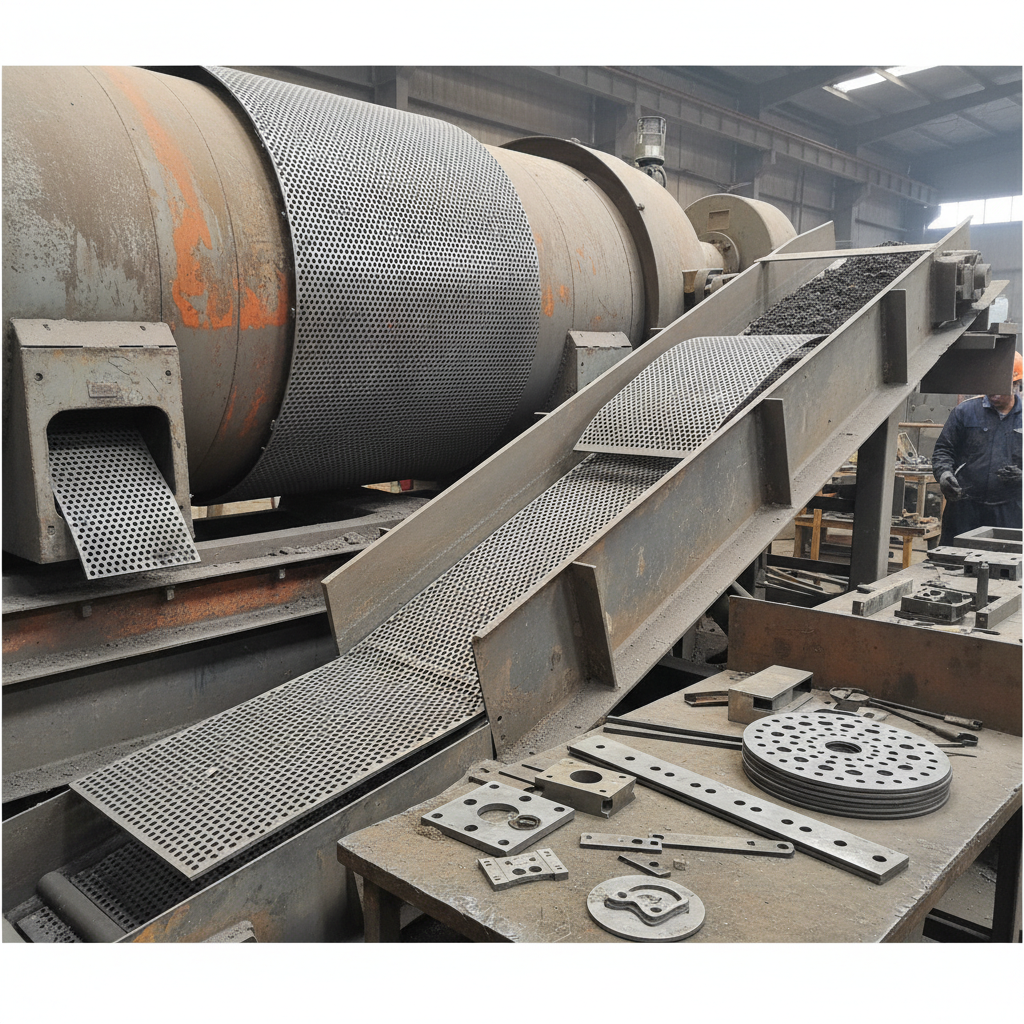
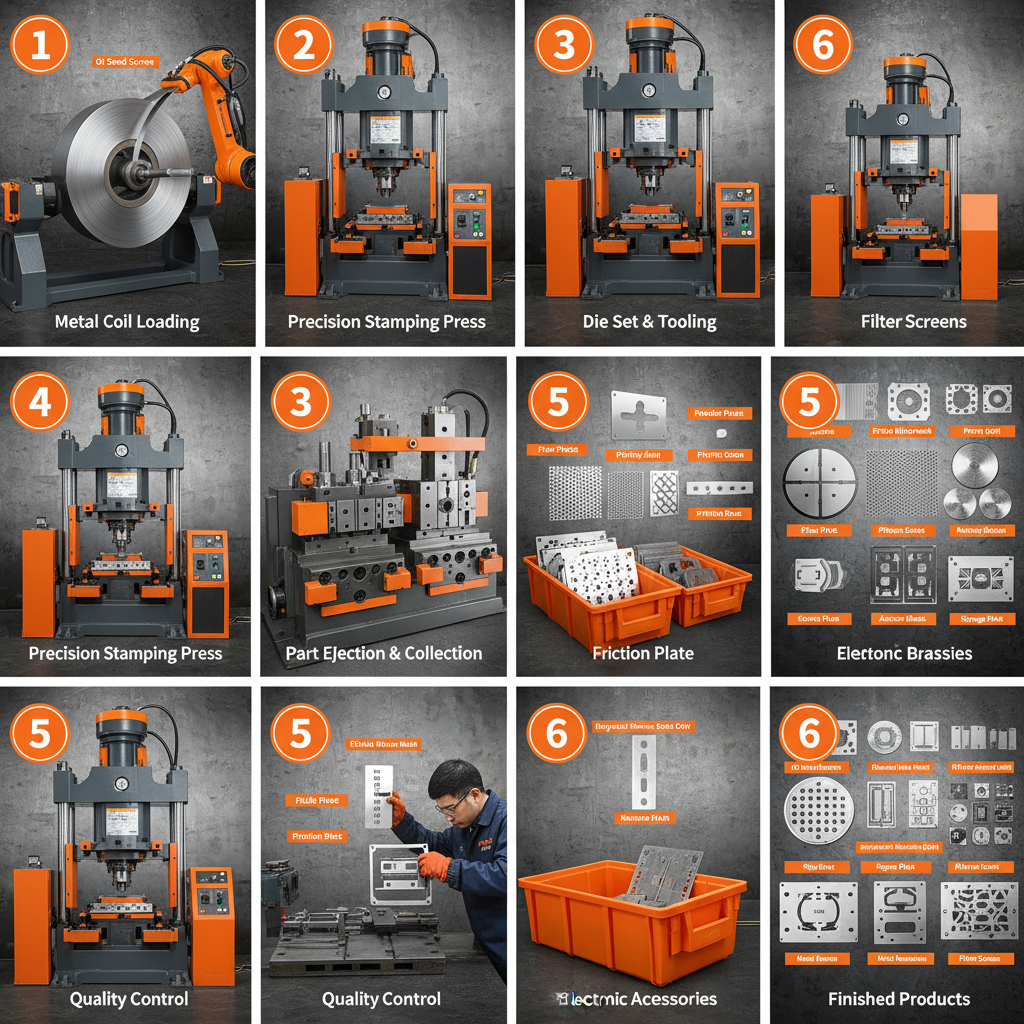
The industrial landscape of modern construction and filtration relies heavily on the versatility of the holed steel plate, a critical component that bridges the gap between structural rigidity and functional permeability. By strategically removing material through precision punching or drilling, engineers can create surfaces that manage airflow, filter particulates, or provide secure walkways without compromising the inherent strength of the steel.
Globally, the demand for high-quality perforated metal solutions has surged as industries shift toward more sustainable and efficient architectural designs. Whether it is used in high-traffic urban infrastructure or complex chemical processing plants, the holed steel plate serves as a multipurpose tool for ventilation, acoustic dampening, and safety screening, making it indispensable in the global supply chain of structural metal products.
Understanding the nuances of material selection, hole patterns, and coating processes is essential for any project manager or procurement specialist. Choosing the right specification for a holed steel plate can significantly impact the longevity of a structure, the efficiency of a filtration system, and the overall cost-effectiveness of an industrial installation.
Global Industrial Relevance of Holed Steel Plate
In the current global economy, the structural metal sector is under pressure to provide materials that are both lightweight and incredibly durable. The holed steel plate has emerged as a primary solution to this paradox, allowing for a reduction in total weight while maintaining the necessary load-bearing capacity. According to international engineering standards and ISO benchmarks, perforated materials are increasingly favored in seismic-prone regions due to their ability to dissipate energy and reduce wind resistance in skyscrapers.
Furthermore, the rise of "Green Building" certifications worldwide has pushed the industry toward materials that facilitate natural ventilation and lighting. By integrating a holed steel plate into facades and interior partitions, architects can reduce reliance on HVAC systems, thereby lowering the carbon footprint of commercial structures. This global shift transforms a simple piece of perforated metal into a strategic asset for environmental sustainability.
Technical Definition and Industrial Meaning
At its most basic level, a holed steel plate is a flat sheet of steel that has been processed to include a pattern of holes, typically created through punching, laser cutting, or etching. Unlike simple drilling, industrial perforation involves complex calculations regarding "open area percentage," which determines how much fluid or light can pass through the material versus how much structural integrity remains.
Beyond the physical definition, these plates represent a critical intersection of metallurgy and geometry. In the context of modern industry, they are not just "sheets with holes" but are engineered filtration and shielding components. They are essential for humanitarian and infrastructure projects, such as building secure water filtration screens in remote areas or creating safety guards for heavy machinery in developing industrial zones.
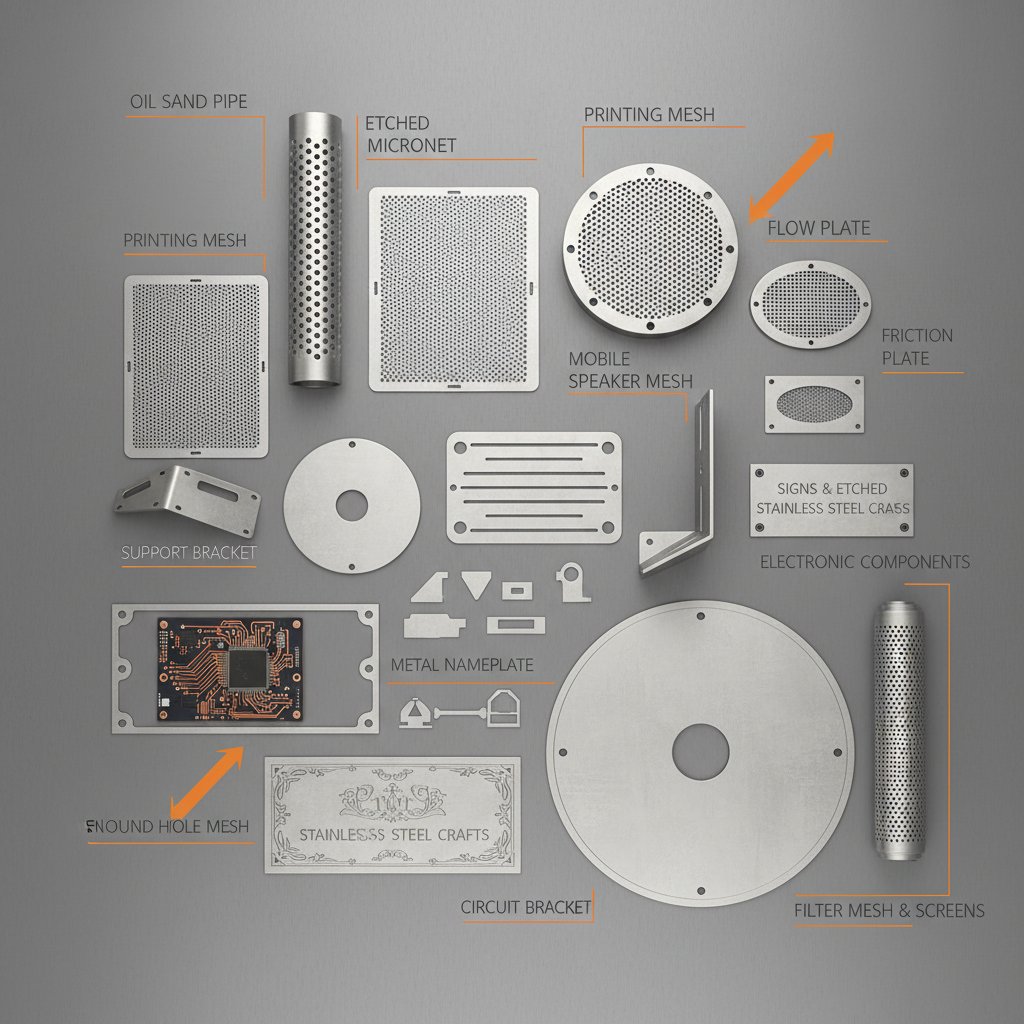
The versatility of the holed steel plate allows it to be customized for almost any technical requirement. Whether the goal is to create a precise sieve for the pharmaceutical industry or a robust grating for an oil rig, the ability to control hole diameter, pitch, and material grade ensures that the final product meets the rigorous demands of high-stress environments.
Core Components of High-Performance Plates
Durability is the cornerstone of any holed steel plate. The selection of the base alloy—ranging from standard carbon steel to high-grade 316 stainless steel—determines the plate's resistance to corrosion and oxidation. In marine or chemical environments, the durability of the plate is further enhanced by galvanization or powder coating, ensuring that the perforated edges do not become points of failure.
Scalability and Customization are what make the holed steel plate so adaptable. From micro-perforations used in high-precision metal filtration to large-bore openings for industrial grating, the ability to scale the pattern to the specific needs of a project allows for seamless integration into diverse systems, whether it's a small medical device or a massive stadium roof.
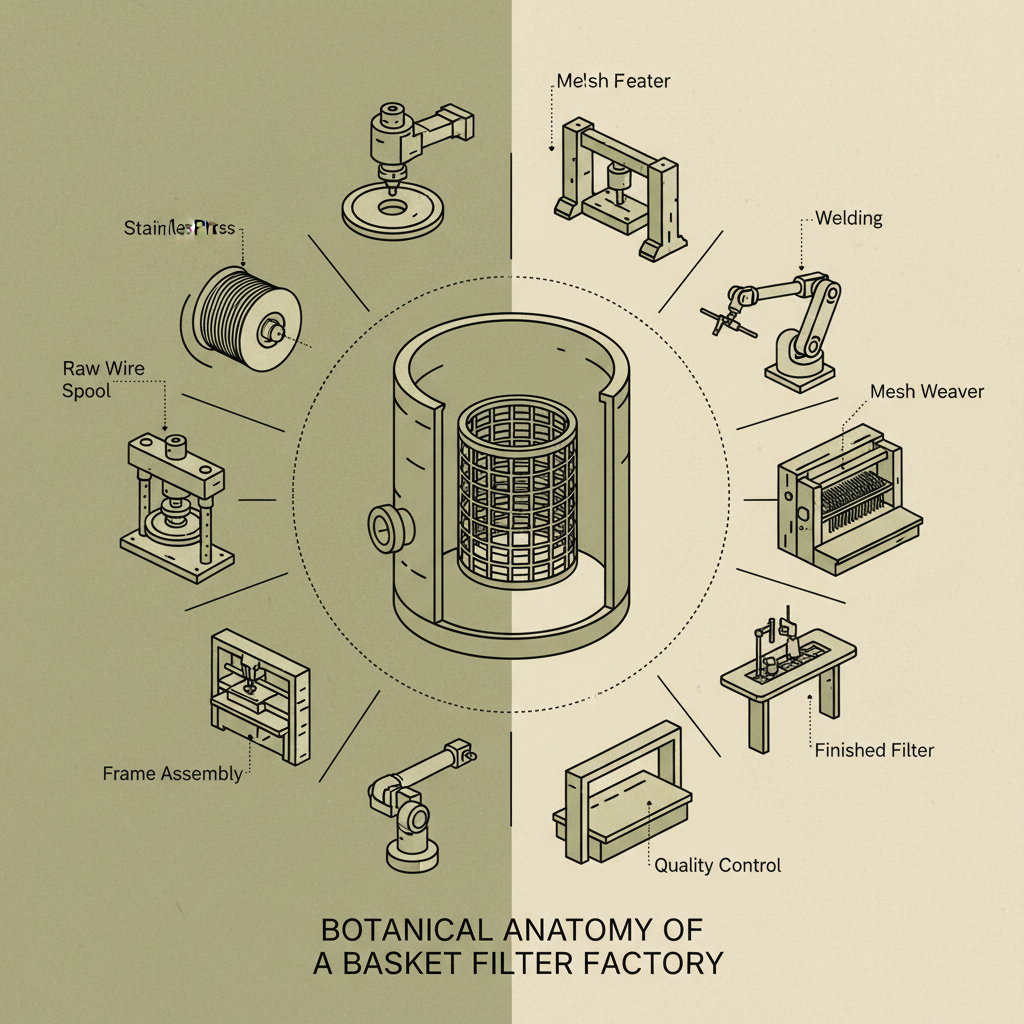
Cost Efficiency is achieved through the optimization of the material yield. By using advanced CNC punching techniques, manufacturers can maximize the number of holes per sheet while minimizing waste. This efficiency makes the holed steel plate a logically superior choice compared to casting or custom welding for most structural and filtration applications.
Comparative Analysis of Perforation Methods
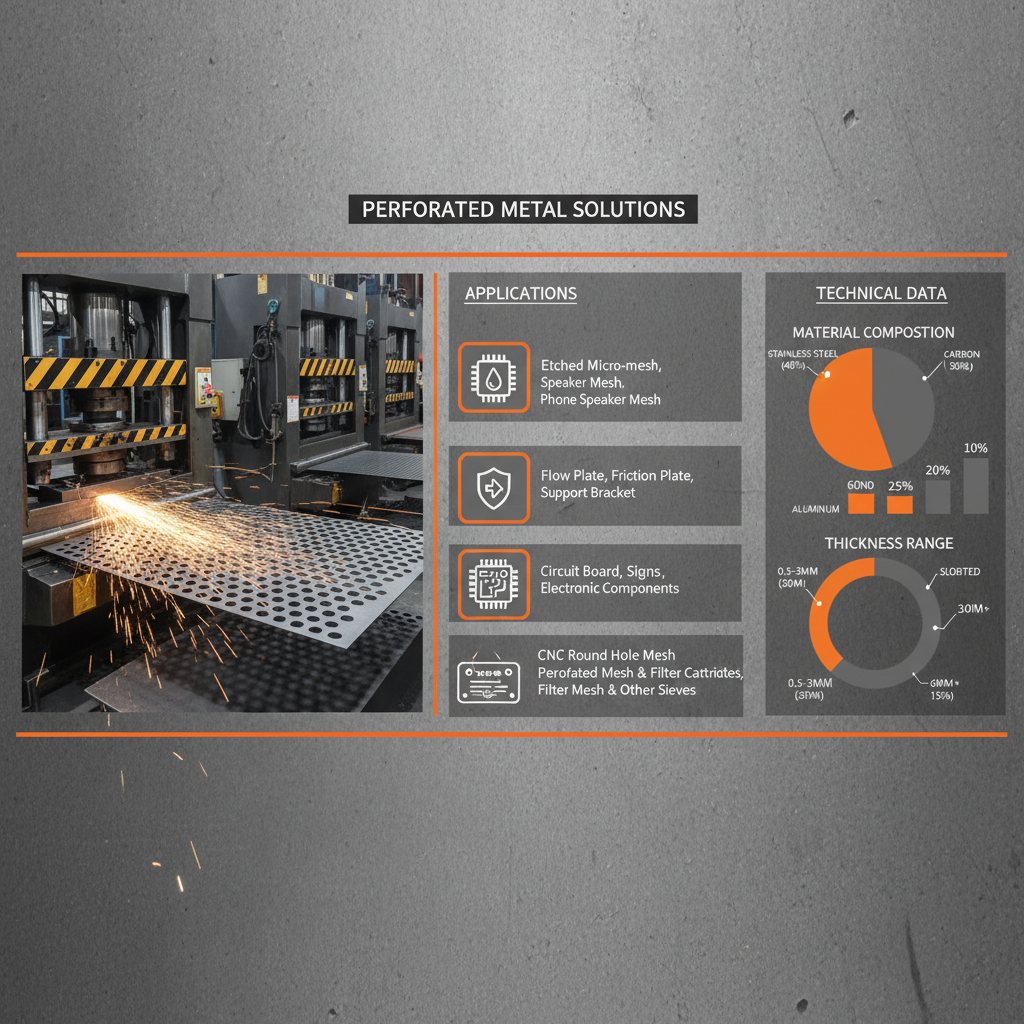
Selecting the right production method for a holed steel plate is a balance between precision, volume, and budget. Traditional mechanical punching is the fastest and most cost-effective for large batches of standard round holes, but it can introduce slight deformations around the hole edges. In contrast, laser cutting offers unmatched precision for complex geometric patterns, though it is slower and more expensive for bulk orders.
For the most demanding specifications, such as those found in Etched Metal Mesh or high-end filtration, chemical etching is employed. This method ensures there is no mechanical stress on the metal, resulting in a perfectly flat holed steel plate with burr-free edges, which is critical for avoiding contamination in pharmaceutical or food-grade applications.
Performance Rating of Holed Steel Plate Production Methods
Global Applications and Use Cases
The practical application of the holed steel plate spans across nearly every industrial sector. In urban architectural design, these plates are used as aesthetic sun-shades and security screens in cities like Singapore and Dubai, where they provide the necessary balance between privacy and airflow. In the energy sector, they serve as critical components in oil and gas separation systems, allowing fluids to pass while retaining solids.
In more challenging environments, such as post-disaster relief operations or remote industrial zones in Sub-Saharan Africa, the holed steel plate is used to construct rapidly deployable walkways and filtration screens for emergency water treatment. Its ability to be shipped as flat sheets and then easily installed makes it a logistical advantage in areas where traditional construction is impossible.
Long-Term Value and Sustainability
Investing in a high-quality holed steel plate offers significant long-term economic and environmental value. Because steel is infinitely recyclable, the lifecycle of these plates is far more sustainable than plastic or composite alternatives. When a perforated panel reaches the end of its service life, it can be melted down and repurposed without any loss in material quality.
From a logical perspective, the reduction in material volume—due to the holes—means lower shipping costs and reduced energy consumption during transport. Moreover, the enhanced airflow provided by these plates reduces the operational costs of industrial cooling systems, creating a positive feedback loop of energy efficiency and cost savings.
Emotionally, the use of holed steel plate in public infrastructure conveys a sense of transparency and safety. Whether it is a well-designed guardrail or a sleek architectural facade, the precision of the perforation reflects a commitment to quality and innovation, fostering trust between the developers and the end-users.
Future Trends and Material Innovations
The future of the holed steel plate is being shaped by the integration of smart materials and additive manufacturing. We are seeing the emergence of "adaptive perforations," where the hole size can be modified through thermal expansion or mechanical triggers to control airflow in real-time. This digital transformation is moving the industry toward "Industry 4.0," where plates are designed via AI to maximize strength and minimize weight.
Sustainability policies are also driving the development of new coatings. Nano-coatings that are super-hydrophobic or anti-microbial are being applied to holed steel plate surfaces, making them ideal for the next generation of medical filtration and sterile food processing environments. These innovations ensure that the material remains relevant in an era of stringent health and environmental regulations.
Furthermore, the combination of holed steel plate with carbon-fiber reinforcements is creating hybrid materials that offer the strength of steel with the weight of a polymer. This trend is particularly evident in the aerospace and automotive industries, where every gram of weight saved translates directly into fuel efficiency and performance.
Comparative Analysis of Holed Steel Plate Specifications and Performance
| Material Grade |
Perforation Method |
Corrosion Resistance |
Industrial Application |
| Carbon Steel (Q235) |
Mechanical Punching |
Low (Requires Coating) |
General Construction |
| Stainless 304 |
Laser Cutting |
High |
Kitchen & Food Processing |
| Stainless 316L |
Chemical Etching |
Very High |
Marine & Chemical Plants |
| Galvanized Steel |
Mechanical Punching |
Medium |
Outdoor HVAC Screens |
| Aluminum Alloy |
Water-Jet Cutting |
High |
Aerospace Components |
| Corten Steel |
Laser Cutting |
Self-Protecting |
Architectural Facades |
FAQS
The open area is calculated by dividing the total area of the holes by the total surface area of the plate. For standard round holes, the formula is: (Number of holes × area of one hole) / (Total plate area). This percentage is crucial for determining the flow rate of air or liquids through the holed steel plate.
For coastal environments, Stainless Steel 316L is the gold standard due to its molybdenum content, which provides superior resistance to chlorides and saltwater corrosion. Alternatively, hot-dip galvanized carbon steel can be used for less critical structural applications, providing a thick zinc layer that prevents rust.
Yes, but it depends on the "bridge" width (the metal between the holes) and the plate thickness. For load-bearing applications, we recommend using a Steel Grating style or a plate with a low open-area percentage to ensure maximum structural integrity and safety.
A holed steel plate is created by removing material (punching/cutting), whereas expanded metal is created by slitting and stretching the sheet. Perforated plates offer more precise hole sizes and a smoother finish, while expanded metal is typically more cost-effective for heavy-duty industrial flooring.
Deburring is the standard process used to smooth the edges. This can be done through mechanical grinding, chemical polishing, or by using a specialized deburring machine. For high-precision needs, chemical etching is the best method as it creates a naturally smooth edge without mechanical force.
Absolutely. Modern CNC laser and water-jet technology allow for squares, slots, hexagons, and even complex artistic patterns. These custom holed steel plate designs are frequently used in architectural facades and specialized industrial filters to optimize flow dynamics.
Conclusion
In summary, the holed steel plate is far more than a simple industrial component; it is a versatile engineering solution that balances strength, permeability, and efficiency. From its critical role in global infrastructure and environmental sustainability to its application in high-precision filtration, the strategic use of perforated metal continues to drive innovation across the manufacturing and construction sectors.
As we move toward a future defined by smart materials and green energy, the evolution of the holed steel plate will be central to creating more resilient and sustainable urban environments. We recommend that engineers and architects prioritize material grade and perforation precision to ensure long-term reliability. For high-quality, customized metal solutions, visit our website: www.tomaifilters.com.