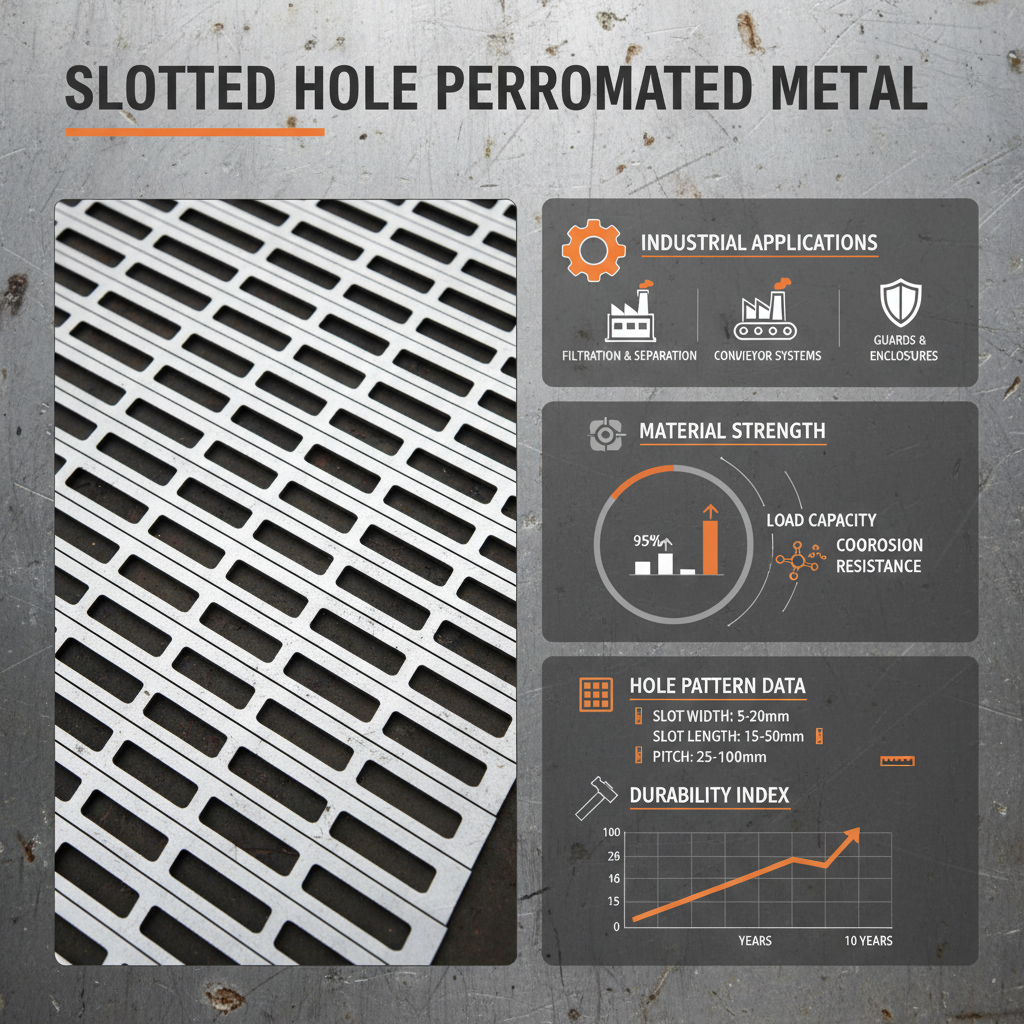
In the modern industrial landscape, perforated steel stands as a cornerstone of versatile engineering, blending structural integrity with functional permeability. From high-tech filtration systems to architectural facades, the ability to precisely control the flow of air, light, and liquid through metal sheets has revolutionized how we design safety barriers and industrial components. Understanding the nuances of this material is essential for engineers and architects aiming to optimize performance without compromising strength.
Globally, the demand for precision-engineered metal solutions is surging, driven by the expansion of urban infrastructure and the rigorous standards of the ISO quality management systems. Whether it is used in the aerospace sector for lightweighting or in wastewater treatment for efficient screening, perforated steel solves the perennial challenge of balancing openness with durability. As industries move toward more sustainable manufacturing, the recyclability and longevity of steel make it a preferred choice over synthetic alternatives.
By exploring the technical specifications and application versatility of perforated steel, businesses can significantly reduce operational costs and improve safety. This guide provides an educational deep dive into the material's core components, its global utility, and the emerging trends that are shaping the future of structural metal fabrication.
The Fundamental Definition of Perforated Steel
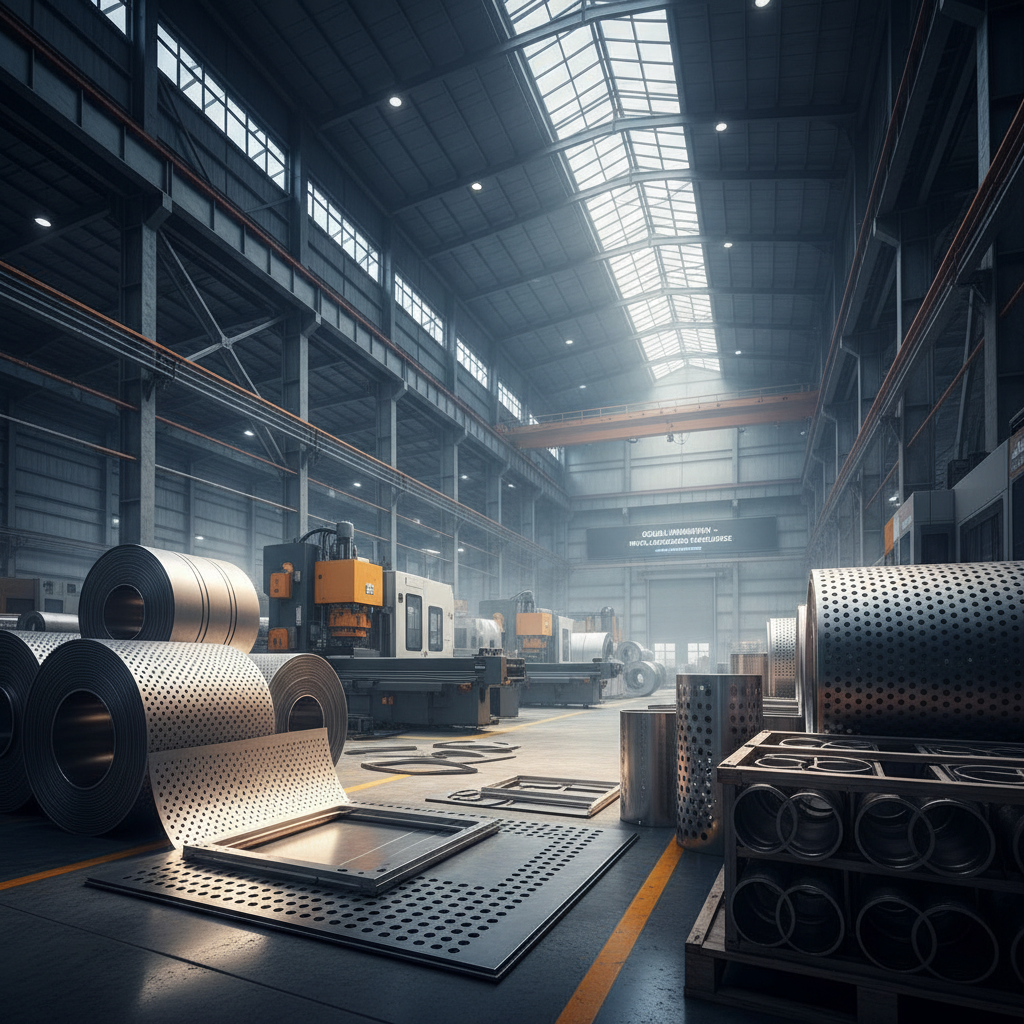
At its simplest, perforated steel is a steel sheet or strip that has been punched or drilled with a regular pattern of holes. These holes can vary in size, shape, and distribution, allowing the material to serve multiple purposes—from acting as a filter and a sieve to providing ventilation or acoustic damping. The process involves precision tooling that ensures every opening is uniform, which is critical for applications requiring exact flow rates.
Beyond its basic form, this material is a vital link in modern industrial safety and humanitarian infrastructure. In regions developing rapid urban centers, it is used to create secure yet breathable enclosures, providing a balance between protection and environmental integration. Its ability to be customized makes it indispensable for everything from simple shelving to complex chemical processing machinery.
Core Engineering Factors for Performance
One of the primary factors in the effectiveness of perforated steel is its "Open Area" percentage. This represents the ratio of the total area of the holes to the total area of the sheet. High open area is critical for applications like filtration and airflow, while a lower open area is preferred when structural load-bearing capacity and security are the priority.
Durability is another critical pillar. Depending on the environment, steel may be galvanized, powder-coated, or made from stainless steel to prevent corrosion. In harsh maritime or chemical environments, the choice of alloy determines whether the product will last for five years or fifty, directly impacting the lifecycle cost of the project.
Scalability and cost-efficiency also play a role. Because perforated steel can be produced in massive rolls or precise custom panels, it adapts easily to both small-scale boutique architectural projects and massive industrial plants. The synchronization of hole patterns allows for seamless tiling, reducing waste during installation.
Material Versatility and Grade Selection
Selecting the right grade of perforated steel is essential for ensuring the material does not fail under pressure or degrade due to environmental exposure. Carbon steel is often the go-to for internal structural supports where cost is a factor, provided it is properly coated to prevent oxidation.
Stainless steel variants, particularly Grade 304 and 316, elevate perforated steel to a premium status, offering exceptional resistance to acids and salts. This makes them the gold standard for food processing plants, pharmaceutical labs, and offshore oil rigs where hygiene and corrosion resistance are non-negotiable.
Furthermore, the integration of specialized coatings can add antimicrobial properties or extreme heat resistance. By tailoring the metallurgy to the specific stress points of the application, engineers can ensure that the perforated steel components maintain their geometric stability even under extreme thermal expansion.
Global Industrial Applications and Use Cases
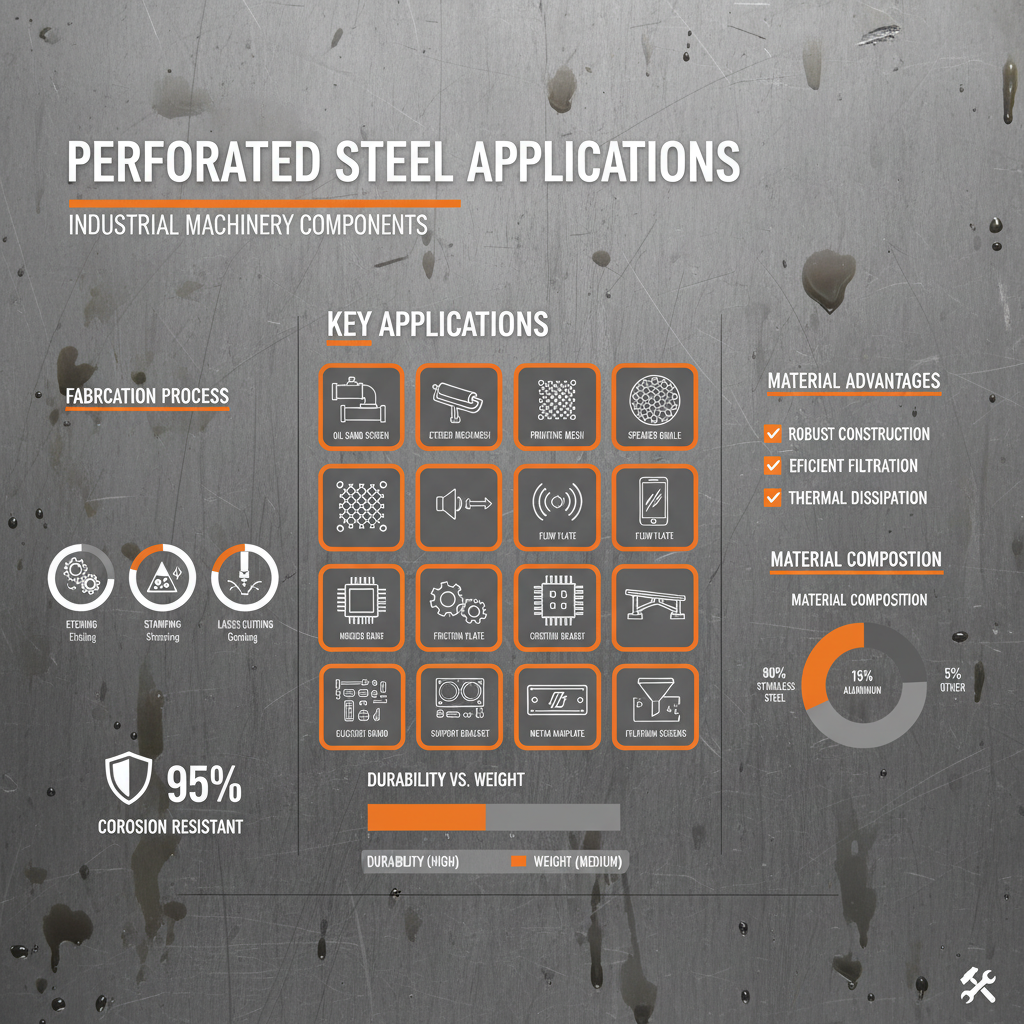
In the global arena, perforated steel is deployed in diverse settings. In North American and European architectural trends, it is frequently used for "breathable" facades that reduce solar heat gain while maintaining natural light. In the industrial zones of Asia, it is a staple for heavy-duty machinery guards and conveyor belt filters, ensuring worker safety by preventing accidental contact with moving parts.
Moreover, in humanitarian and disaster-relief contexts, modular perforated panels are used to create temporary partitions and ventilation screens in emergency shelters. These solutions provide necessary privacy and airflow in crowded environments, proving that the utility of perforated steel extends beyond commercial profit to genuine social impact.
Performance Comparison of Perforated Steel Types
Long-Term Economic and Sustainable Value
The adoption of perforated steel offers a compelling economic narrative. By reducing the overall weight of a structure without sacrificing strength, companies can lower transportation costs and reduce the amount of raw material required. This "light-weighting" strategy is a key driver in the automotive and aerospace industries, where every kilogram saved translates to better fuel efficiency.
From a sustainability perspective, steel is one of the most recycled materials on the planet. Perforated panels can be melted down and repurposed at the end of their life cycle, fitting perfectly into the circular economy model. This reduces the reliance on virgin ore mining and lowers the carbon footprint of large-scale construction projects.
Technological Innovations in Metal Perforation
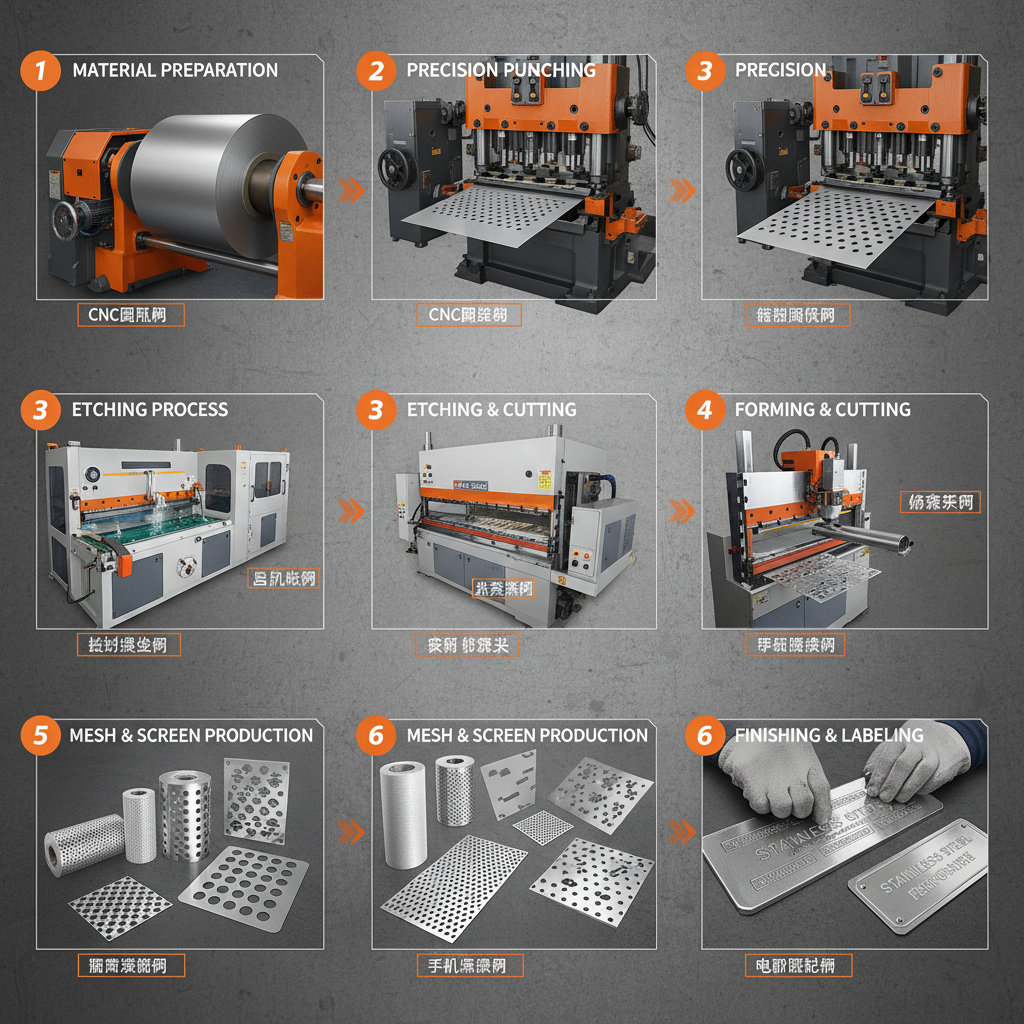
The industry is currently witnessing a shift from traditional mechanical punching to advanced laser and plasma cutting. Laser perforation allows for intricate, non-circular patterns that were previously impossible to achieve. This enables architects to create "digital gradients" in perforated steel, where the hole size changes across a panel to create artistic visual effects or specific acoustic properties.
Automation and AI-driven design are also optimizing the placement of holes to maximize structural integrity. By using finite element analysis (FEA), engineers can now determine exactly where holes can be placed to allow airflow while ensuring the panel does not buckle under load.
Furthermore, the integration of nano-coatings is enhancing the longevity of perforated steel. These coatings provide hydrophobic surfaces that prevent water and grime from clogging the perforations, which is a game-changer for industrial filtration and exterior cladding.
Overcoming Implementation Challenges
Despite its benefits, the use of perforated steel is not without challenges. One common issue is "burring"—the rough edges left behind after punching. In applications where human contact is frequent, these burrs can be a safety hazard. The solution lies in advanced deburring processes, such as vibratory finishing or chemical etching, which ensure a smooth, safe edge.
Another challenge is the potential for clogging in filtration roles. When fine particles accumulate in the perforations, the system's efficiency drops. To combat this, engineers are implementing "back-flush" systems and choosing staggered hole patterns that minimize turbulence and particle accumulation.
Finally, balancing cost and corrosion resistance remains a tightrope walk for many project managers. The expert approach is to conduct a site-specific environmental analysis to determine if a cheaper galvanized option suffices or if the long-term value of stainless steel justifies the initial investment.
Technical Analysis of Perforated Steel Implementation Strategies
| Material Grade |
Primary Challenge |
Optimized Solution |
Reliability Score |
| Carbon Steel |
Rapid Oxidation |
Hot-dip Galvanizing |
6/10 |
| Stainless 304 |
Pitting Corrosion |
Passivation Treatment |
8/10 |
| Stainless 316 |
High Material Cost |
Precision Thickness Optimization |
10/10 |
| Aluminum Alloy |
Lower Tensile Strength |
Structural Ribbing |
7/10 |
| Powder Coated |
Coating Peeling |
Electrostatic Pre-treatment |
8/10 |
| Galvannealed |
Medium Corrosion Resistance |
Controlled Environment Use |
7/10 |
FAQS
Perforated steel is created by punching or drilling holes out of a solid sheet, resulting in a flat surface with precise openings. Expanded metal, however, is slit and stretched, creating a diamond-shaped mesh without removing any material. Perforated steel is generally preferred for filtration and precise airflow, while expanded metal is often used for heavy-duty walkways and security fences due to its inherent rigidity.
The choice depends on the "Open Area" required. For high-flow applications, a staggered pattern with a high percentage of open space is ideal. For structural screening, a square or aligned pattern may be better. You must consider the size of the particles being filtered; the hole diameter should be slightly smaller than the smallest particle you wish to capture to prevent breakthrough.
Yes, provided the correct material or coating is used. Stainless steel 316 is the best for coastal areas with high salt spray. For inland urban areas, galvanized steel or powder-coated aluminum is cost-effective and durable. These materials prevent rust and maintain the aesthetic integrity of the facade over decades of weather exposure.
Yes, but it requires careful planning. Bending perforated steel can distort the shape of the holes near the bend line. To avoid this, the bend should be planned to occur between the rows of perforations. Using a larger bend radius also helps maintain the structural integrity of the material and prevents cracking.
The open area is calculated by dividing the area of one hole by the total area of the "unit cell" (the area from the center of one hole to the center of the next). For example, in a staggered pattern, the formula accounts for the offset of the rows. This calculation is critical for ensuring that a filter doesn't create too much pressure drop in a fluid system.
Stainless steel Grade 304 is the industry standard for most food processing, but Grade 316 is recommended for high-salt or highly acidic food environments (like brine processing). These grades are non-reactive and can withstand the harsh chemicals used in industrial cleaning (CIP) processes without corroding.
Conclusion
Throughout this analysis, it is evident that perforated steel is far more than a simple piece of punched metal; it is a high-performance engineering tool. By balancing the critical variables of open area, material grade, and surface treatment, industries can achieve an optimal blend of strength, permeability, and longevity. From the precision of laser cutting to the sustainability of recycled alloys, the material continues to evolve to meet the demands of a more efficient and eco-conscious world.
Looking forward, the integration of AI-optimized designs and advanced nano-coatings will likely further expand the capabilities of perforated steel, pushing it into new frontiers of aerospace and green energy infrastructure. For businesses and engineers, the key to success lies in selecting a partner who understands these technical nuances. To explore our full range of precision-engineered metal solutions, visit our website: www.tomaifilters.com.