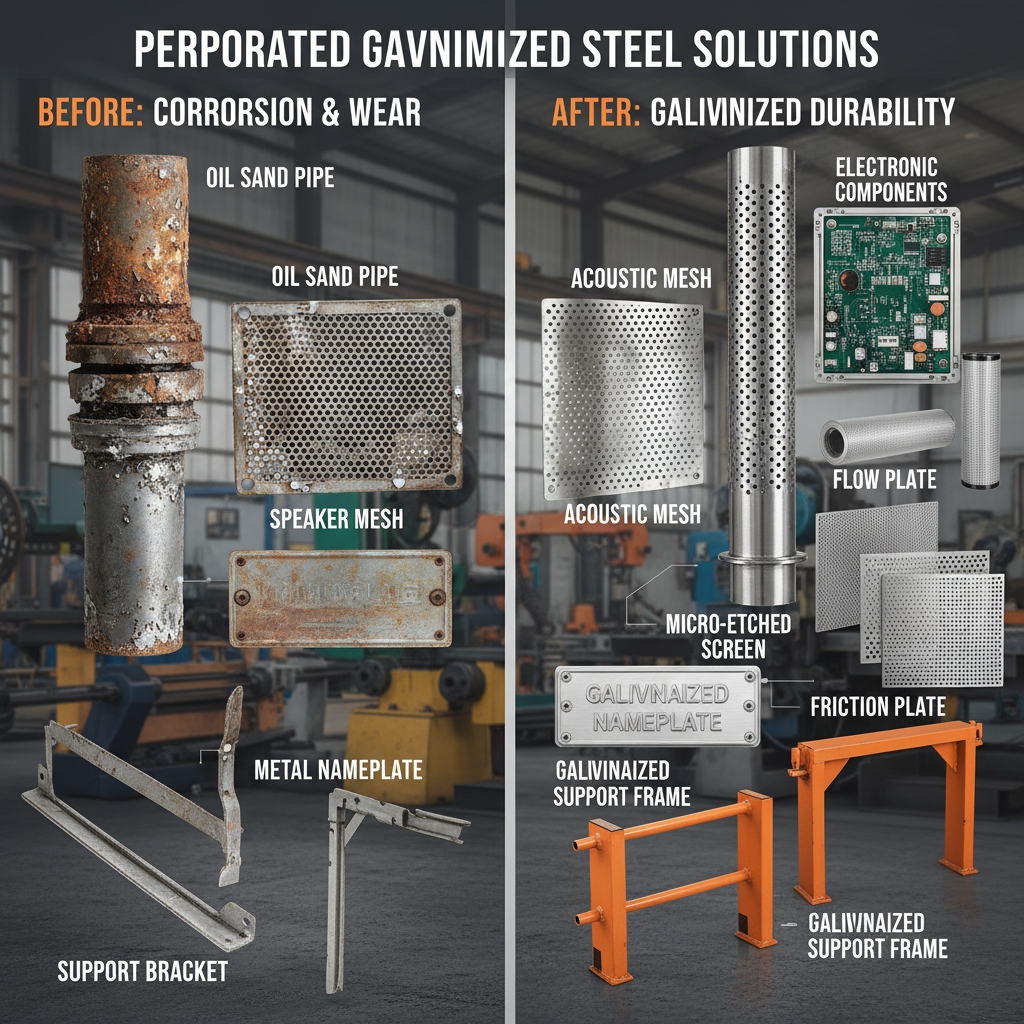
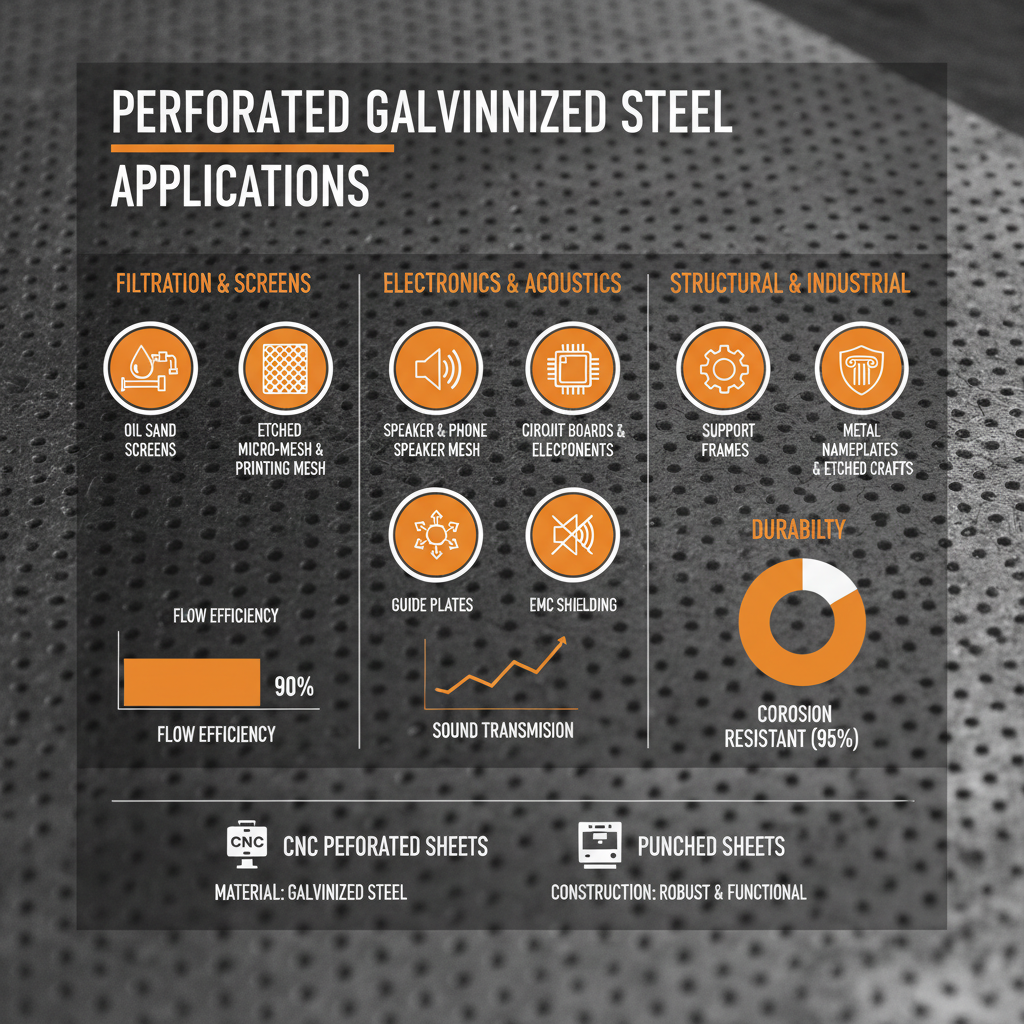
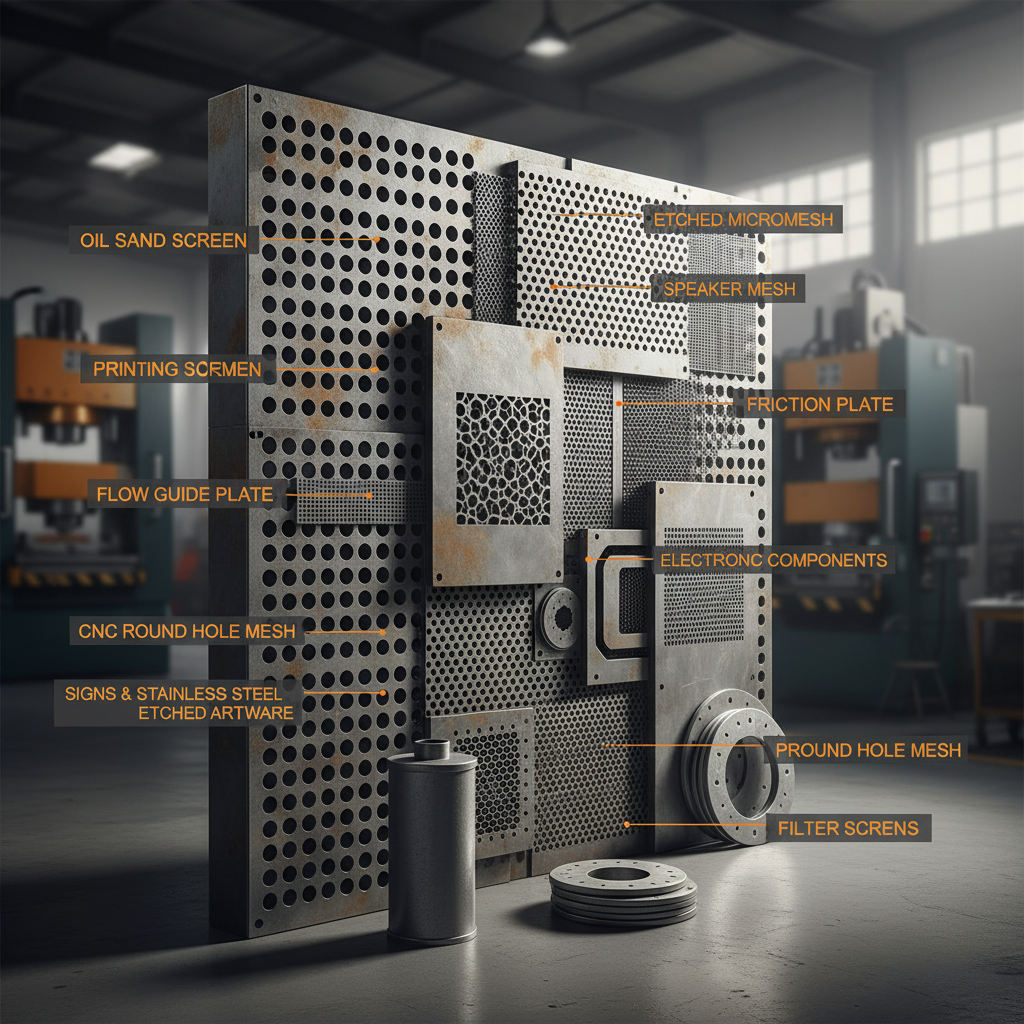
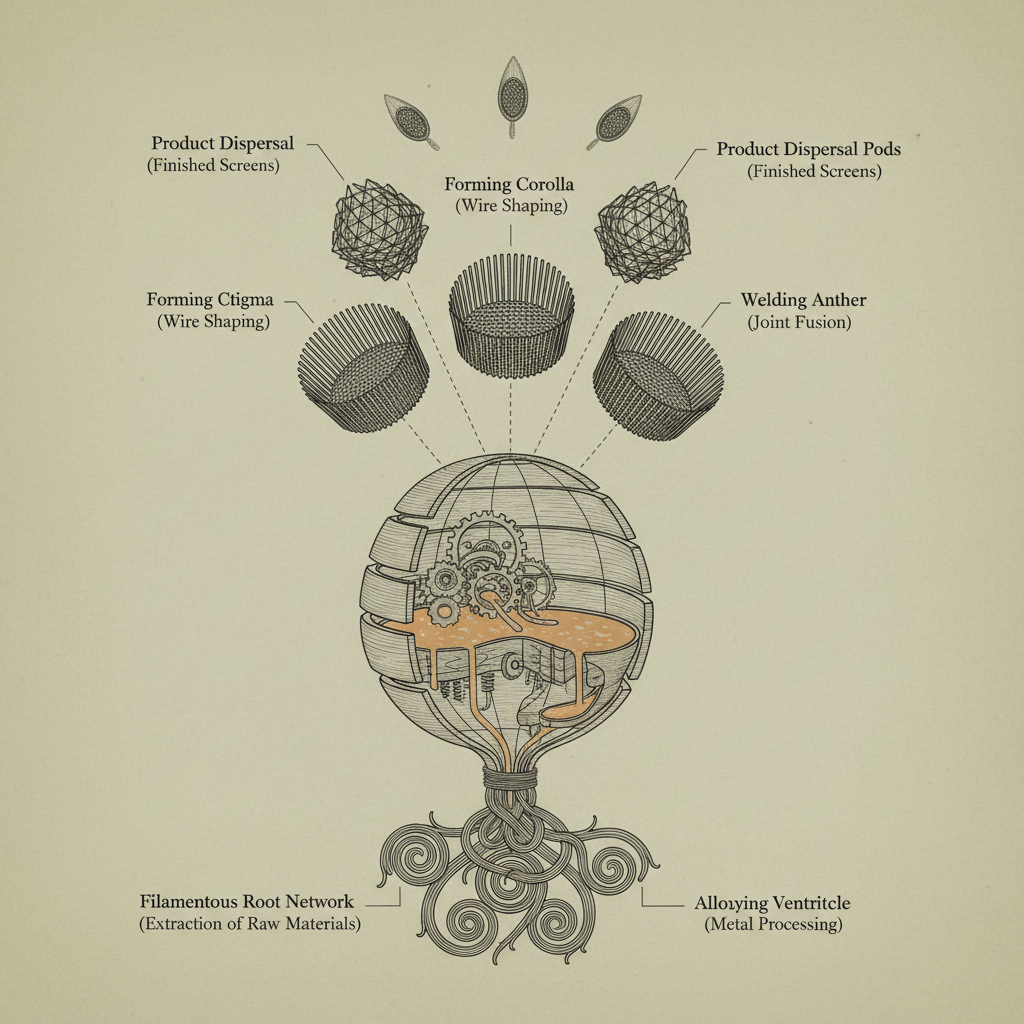
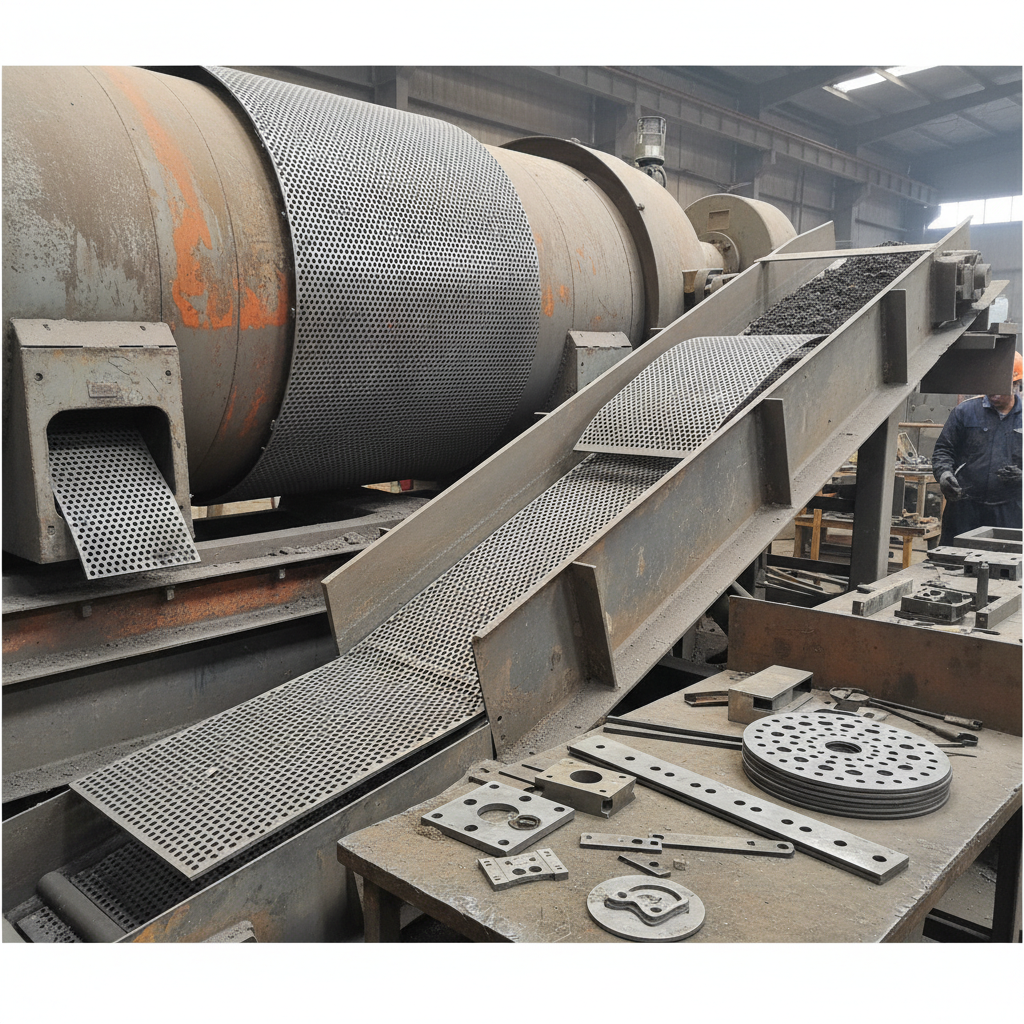
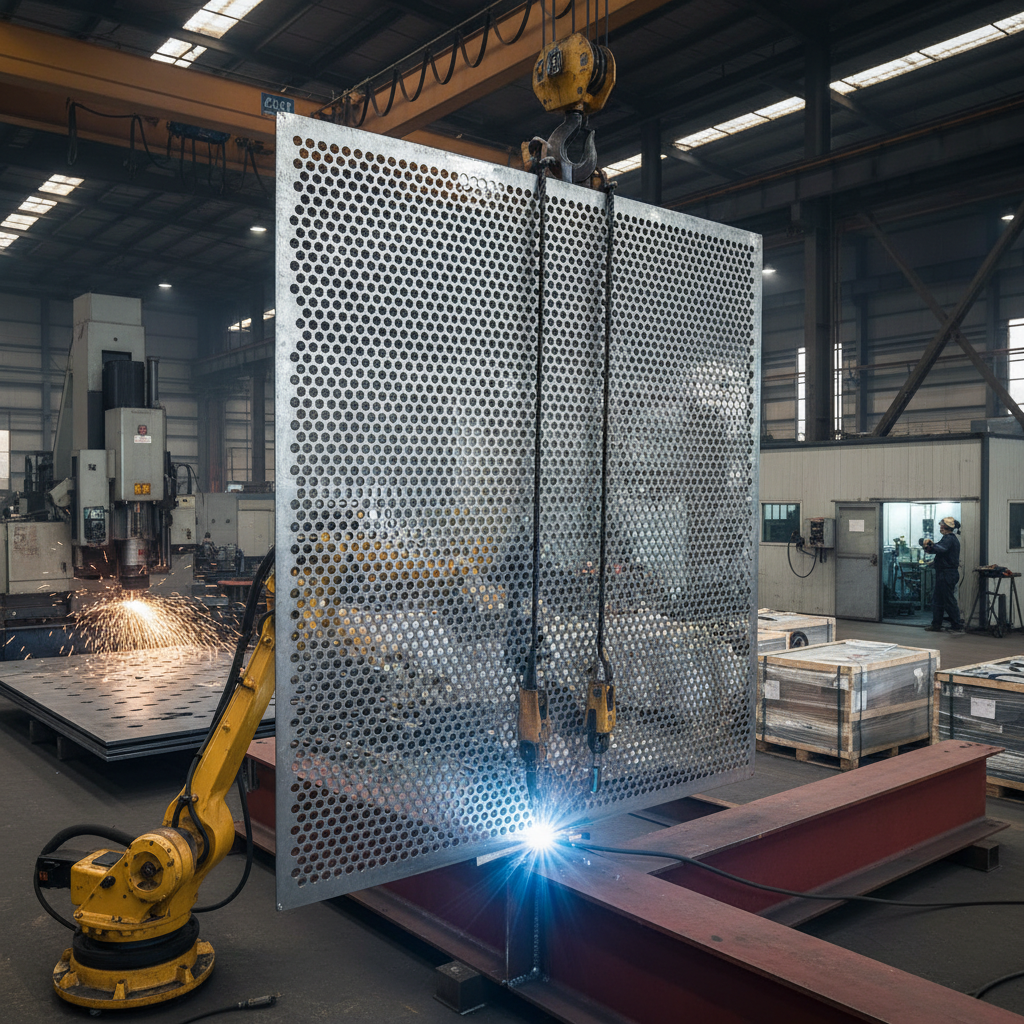
In the demanding world of industrial architecture and safety engineering, the selection of materials can determine the lifespan and efficiency of a project. perforated galvanized steel has emerged as a cornerstone solution, blending the structural rigidity of steel with a protective zinc coating and precision-engineered apertures. This unique combination allows it to serve roles ranging from critical filtration and ventilation to high-security barriers and aesthetic architectural facades.
Across the global manufacturing landscape, the shift toward sustainable and low-maintenance materials has propelled the adoption of galvanized solutions. By preventing oxidation and corrosion, this material drastically reduces the need for frequent replacements and chemical treatments, aligning with international standards for green building and industrial safety. Understanding the nuances of hole patterns, zinc thickness, and gauge is essential for any engineer aiming to optimize airflow or structural integrity.
Whether utilized in heavy-duty industrial filtration or intricate safety screens, perforated galvanized steel provides a versatile platform for innovation. This guide explores the technical dimensions, global applications, and future trajectories of this essential metal product, providing a comprehensive roadmap for procurement and implementation in modern structural metal manufacturing.
Global Relevance of Perforated Galvanized Steel
The global demand for perforated galvanized steel is driven by the rapid urbanization of emerging economies and the stringent safety mandates of developed nations. According to industrial trends aligned with ISO quality standards, the need for materials that resist atmospheric corrosion while maintaining a high strength-to-weight ratio has never been greater. In regions with high humidity or coastal salt spray, traditional carbon steel fails rapidly, making galvanized solutions the gold standard for longevity.
The primary challenge addressed by this material is the trade-off between permeability and protection. In HVAC systems, electrical enclosures, and agricultural fencing, engineers require a material that allows for air or light passage without compromising the structural barrier or succumbing to rust. This balance is precisely what makes perforated galvanized steel a critical asset in modern infrastructure projects.
Definition and Industrial Significance
At its core, perforated galvanized steel is a carbon steel sheet that has been punched or laser-cut with a specific pattern of holes and subsequently coated with a layer of zinc through a hot-dip or electro-galvanizing process. This process creates a metallurgical bond that protects the underlying steel from the environment, ensuring that the edges of the perforations—which are typically the most vulnerable points for corrosion—remain sealed and protected.
In the context of modern industry, this material is more than just a "screen"; it is a functional component used for filtration, acoustic dampening, and structural reinforcement. Its significance lies in its ability to be customized; by altering the hole diameter, pitch, and open area percentage, manufacturers can control everything from the flow rate of a liquid in a filter to the visibility of a security fence.
From a humanitarian perspective, this material is often utilized in the rapid deployment of temporary infrastructure, such as modular clinics or sanitation facilities in disaster-stricken areas. Its durability ensures that these critical structures remain operational in harsh outdoor environments, providing dignity and safety to those in need while remaining cost-effective for NGOs and government agencies.
Core Components of Material Performance
The durability of perforated galvanized steel is primarily governed by the zinc coating thickness, measured in grams per square meter (g/m²). A thicker coating provides a longer sacrificial anode life, meaning the zinc will corrode instead of the steel for a longer period, which is crucial for outdoor installations in industrial zones.
Scalability and versatility are achieved through the variety of perforation patterns. Whether using round, square, or slotted holes, the "open area" calculation determines the material's efficiency in applications like metal filtration or ventilation. Precise CNC punching ensures that these patterns remain consistent across thousands of square meters, allowing for seamless integration into large-scale architectural projects.
Cost efficiency is another pillar of its performance. By utilizing a material that requires almost no painting or secondary coating, project owners can significantly reduce the Total Cost of Ownership (TCO). The ability to procure standardized sheets that can be easily cut and bent on-site further streamlines the construction timeline, reducing labor costs and waste.
Performance Metrics and Comparative Analysis
When evaluating the efficacy of various perforated metal solutions, it is important to look at the balance between structural load-bearing capacity and the percentage of open area. High-open-area sheets are ideal for airflow but may require additional framing to prevent sagging, whereas low-open-area sheets offer superior security and rigidity.
The following analysis compares different fabrication methods for perforated galvanized steel to determine which is most suitable based on the desired industrial outcome, focusing on precision, cost, and corrosion resistance.
Efficiency Ratings of Perforated Galvanized Steel Methods
Global Applications and Sector Use Cases
In the industrial sector, perforated galvanized steel is widely employed in the creation of machine guards and safety enclosures. These components protect operators from moving parts while ensuring that the machinery remains ventilated to prevent overheating. In European automotive plants, for example, these screens are used extensively to maintain strict safety compliance while optimizing factory airflow.
Beyond the factory floor, the material is indispensable in urban infrastructure. From drainage grates in Singapore's high-density city centers to architectural sun-shades in Middle Eastern skyscrapers, the ability to block sunlight or filter debris while resisting extreme weather is paramount. In remote industrial zones, such as mining sites in Australia, galvanized perforation is the only viable choice for walkways and platforms due to the aggressive corrosive nature of the environment.
Long-Term Value and Sustainability
The long-term value of investing in perforated galvanized steel lies in its lifecycle sustainability. Unlike plastics or painted metals that degrade and flake over time, galvanized steel is 100% recyclable. When a structure reaches the end of its life, the metal can be melted down and repurposed without losing its fundamental properties, contributing to a circular economy in the construction industry.
From an emotional and psychological angle, the use of high-quality galvanized materials inspires trust and a sense of safety. Whether it is a secure fence protecting a residential area or a stable grate in a public walkway, the visual and tactile solidity of the material conveys reliability. This reliability is not just about physics; it is about the peace of mind that comes from knowing a structure is built to last for decades.
Furthermore, the energy efficiency gained through the use of perforated screens in building facades is significant. By reducing solar heat gain through strategic shading, these screens lower the reliance on air conditioning, directly reducing the carbon footprint of the building. This intersection of structural utility and environmental stewardship defines the modern value proposition of galvanized metals.
Future Trends in Galvanized Metal Fabrication
The future of perforated galvanized steel is being shaped by the integration of Industry 4.0. Automation and AI-driven design are allowing for "generative perforation," where the hole patterns are not uniform but are instead optimized by software to provide maximum strength in high-stress areas and maximum airflow in others. This reduces material waste and further optimizes the weight of the final product.
Moreover, there is a growing trend toward "hybrid coatings," where galvanized steel is further treated with powder coatings or specialized polymers to provide an extra layer of color and protection. This allows architects to maintain the corrosion resistance of zinc while achieving the specific aesthetic requirements of modern high-end design, merging the industrial with the artistic.
Sustainability policies are also pushing for "green galvanizing" processes that reduce the emission of volatile organic compounds (VOCs) and utilize renewable energy in the smelting process. As the world moves toward Net Zero, the production of perforated metals will focus on reducing the embedded carbon of the steel while enhancing the durability of the protective coating.
Comparative Analysis of Perforated Galvanized Steel Specifications
| Application Type |
Recommended Hole Pattern |
Zinc Coating Level |
Lifespan Expectancy |
| HVAC Ventilation |
Small Round (High Open Area) |
Standard (Z12-Z20) |
15-20 Years |
| Industrial Filtration |
Precision Slotted |
Heavy Duty (Z27+) |
10-15 Years |
| Security Fencing |
Staggered Hexagonal |
Hot-Dip (High Grade) |
30-50 Years |
| Architectural Facades |
Decorative Custom Cut |
Electro-Galvanized |
20-25 Years |
| Agricultural Screens |
Large Round |
Standard (Z12) |
10-20 Years |
| Oil & Gas Platforms |
Heavy Gauge Perforation |
Ultra-High Hot-Dip |
40+ Years |
FAQS
Hot-dip galvanizing involves submerging the perforated steel in molten zinc, resulting in a thicker, more durable coating ideal for outdoor or harsh environments. Electro-galvanizing uses an electrical current to apply a thinner, smoother zinc layer, which is better suited for indoor applications or as a base for painting and powder coating.
The open area is calculated by dividing the total area of the holes by the total area of the sheet. For round holes, the formula is: (π radius² / (pitch²)) 100. This percentage is critical for determining airflow, light transmission, or filtration efficiency.
Welding burns away the zinc coating at the joint, leaving the steel vulnerable to rust. To maintain protection, the welded areas must be treated with a cold-galvanizing spray (zinc-rich paint) or the entire component should be hot-dip galvanized after fabrication.
While galvanized steel is highly durable, it is generally not recommended for direct contact with acidic foods as the zinc can react. For food-grade applications, stainless steel perforated sheets are typically preferred; however, galvanized steel is often used for the surrounding structure and non-contact surfaces.
Perforated galvanized steel is generally more cost-effective than aluminum, especially for large-scale structural projects. While aluminum offers superior natural corrosion resistance and lower weight, galvanized steel provides higher structural strength and better impact resistance at a lower price point.
The most common causes are "white rust" (caused by inadequate ventilation during storage) and mechanical abrasion that scrapes off the zinc layer. Exposure to extreme acids or alkaline chemicals can also strip the coating, leading to rapid oxidation of the base steel.
Conclusion
In summary, perforated galvanized steel represents a perfect synergy of engineering precision and material science. By integrating the strength of steel with the protective qualities of zinc and the functionality of custom perforations, it solves critical challenges in ventilation, security, and industrial filtration across the globe. Its ability to reduce maintenance costs while contributing to sustainable building practices makes it an indispensable asset for modern manufacturing.
As we look toward a future defined by smarter cities and greener industry, the role of high-performance metals will only grow. We recommend that engineers and architects prioritize the correct coating thickness and perforation density based on specific environmental stressors to maximize the lifespan of their projects. For high-quality, precision-engineered solutions, we invite you to explore our comprehensive range of metal mesh and perforated products. Visit our website: www.tomaifilters.com