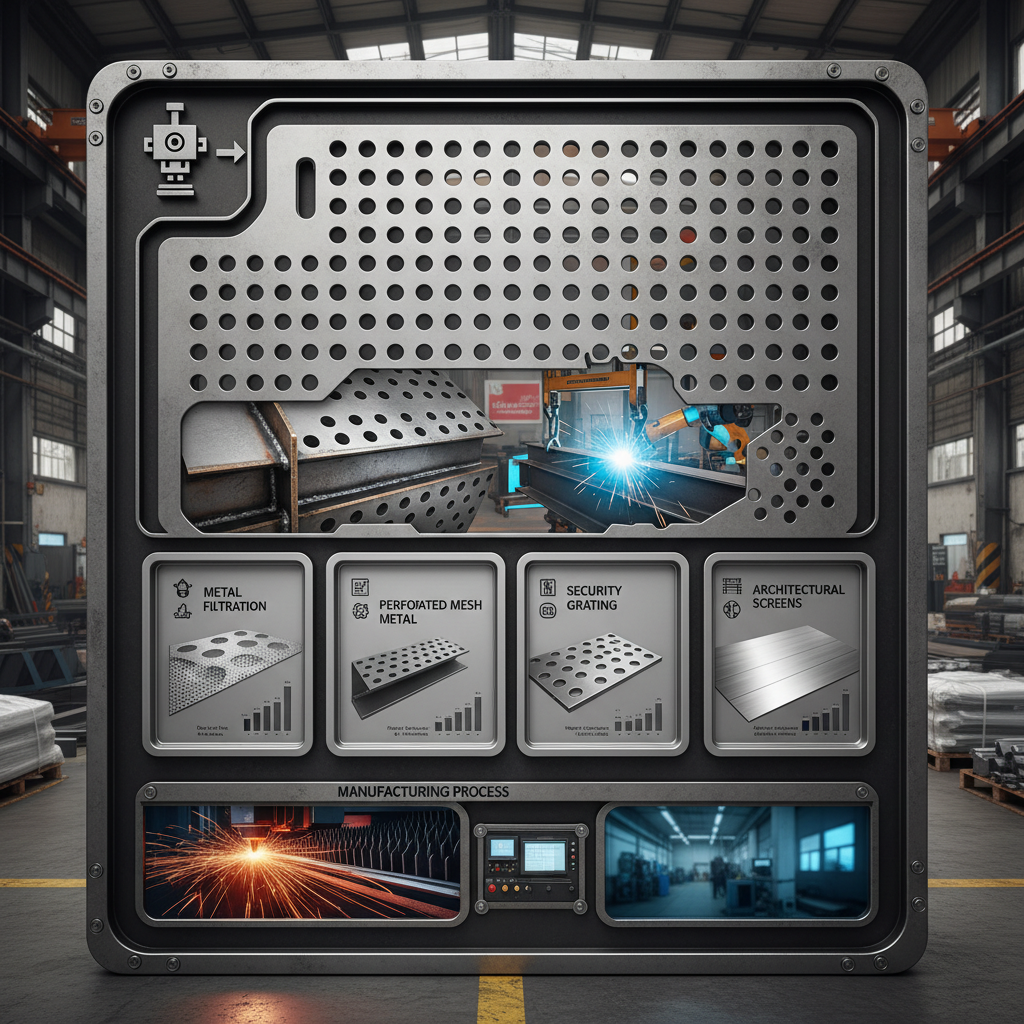
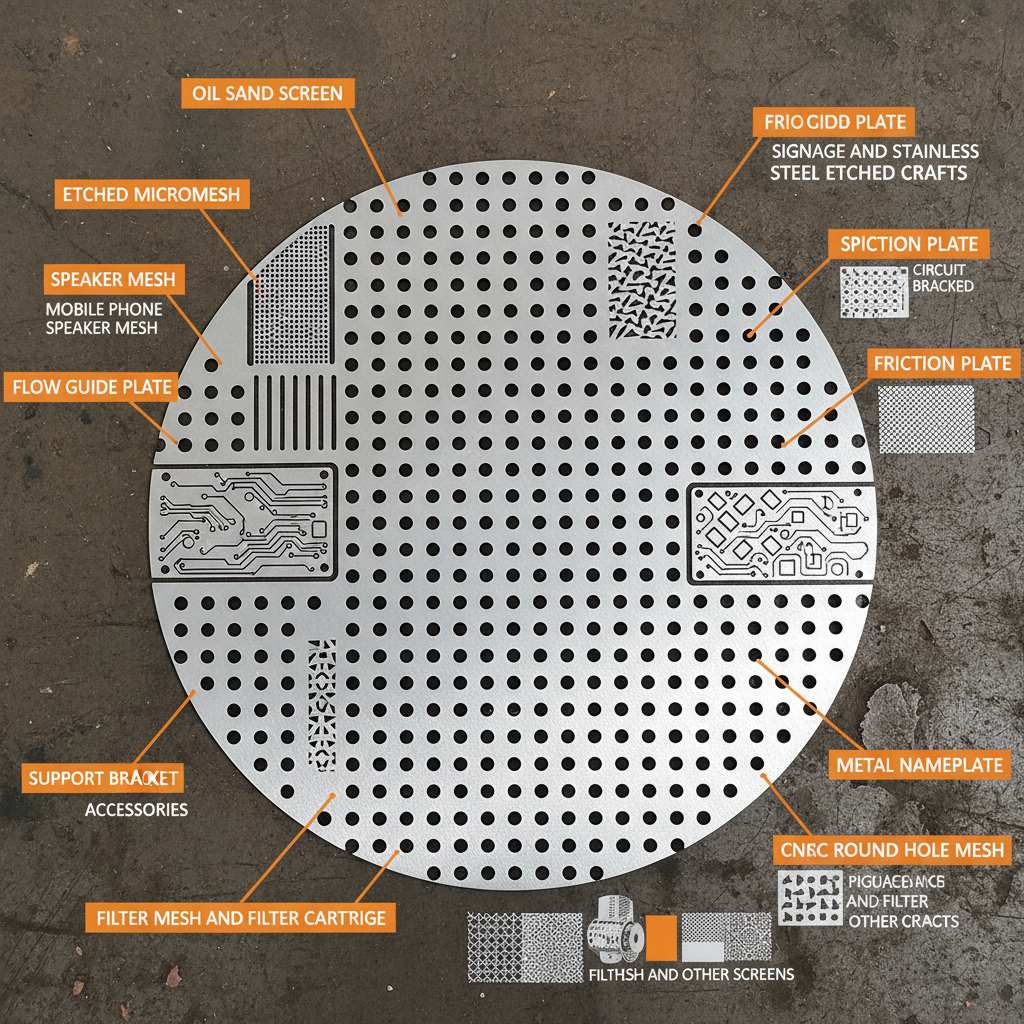
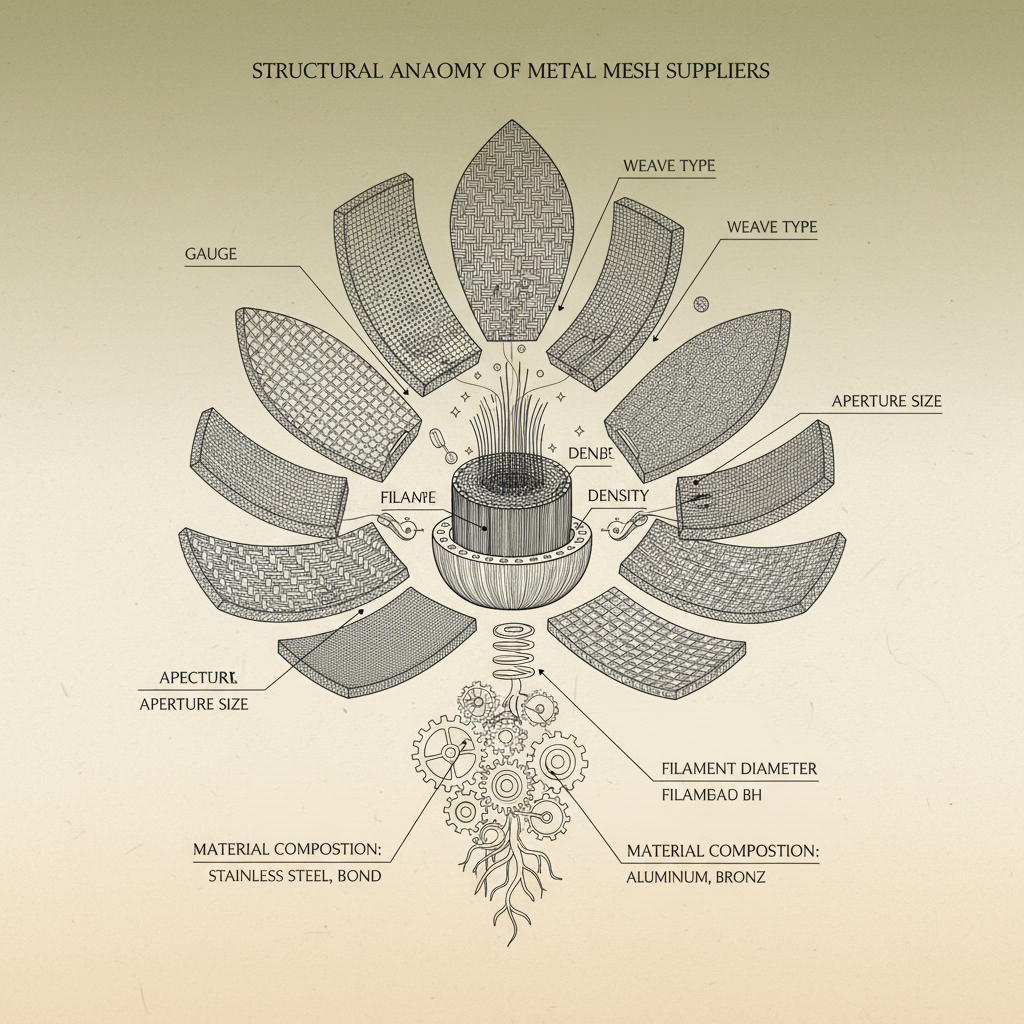
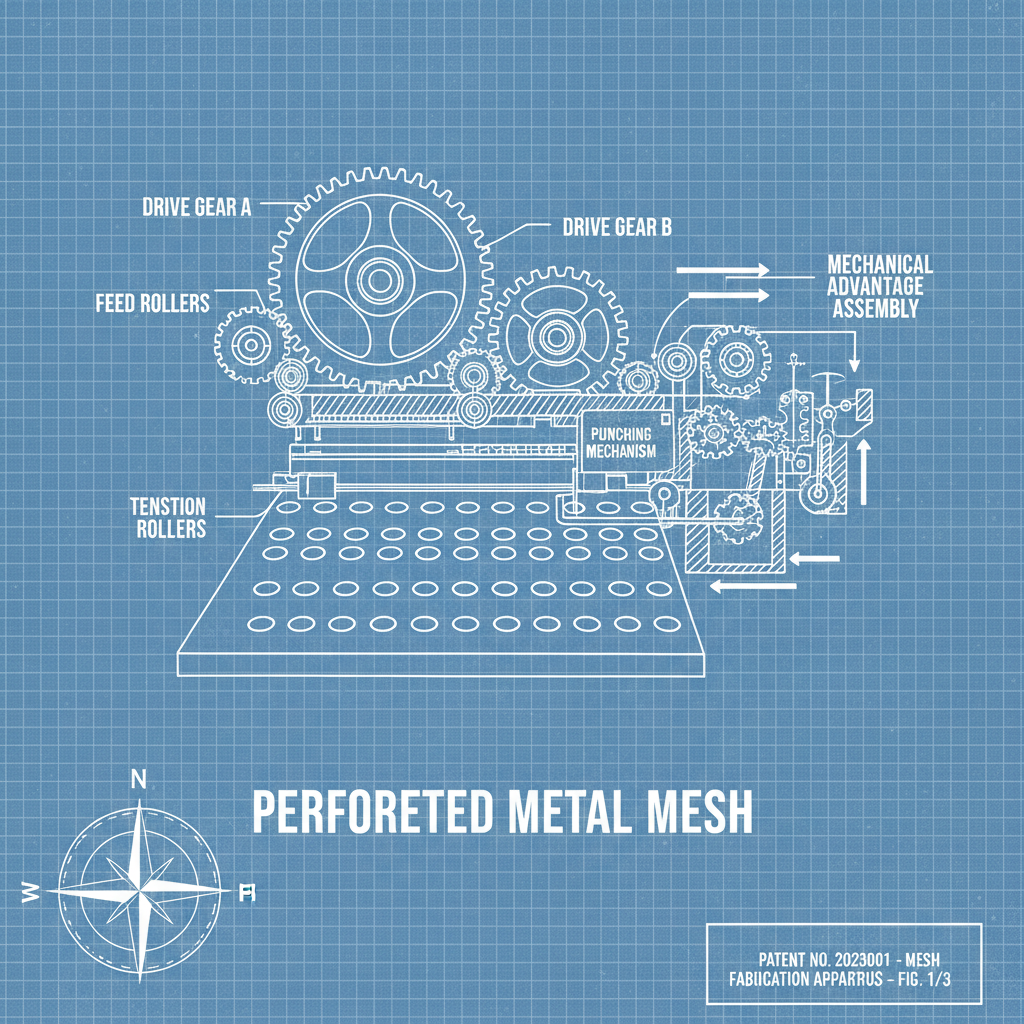
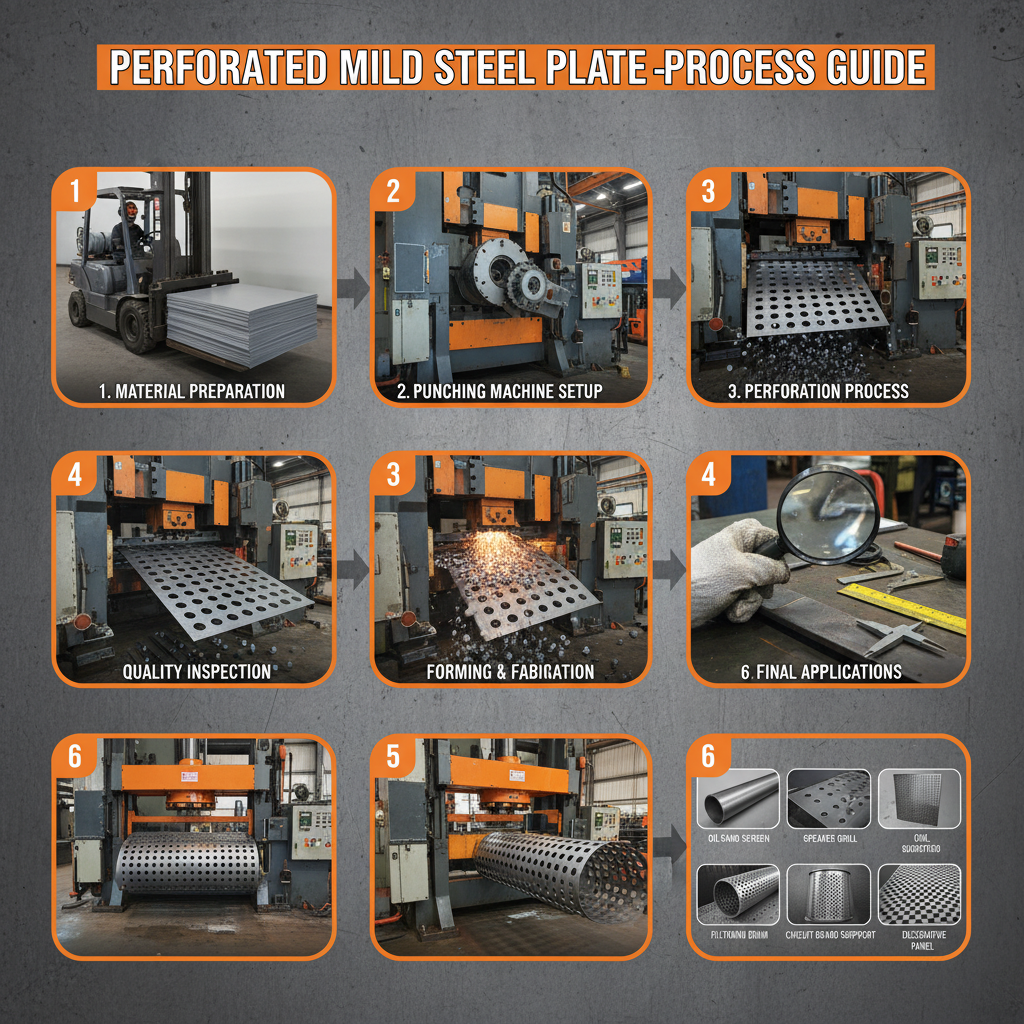
In the complex landscape of modern industrial manufacturing, punctured metal stands as a cornerstone of versatility, blending structural integrity with precise functional permeability. Whether it is used for high-precision filtration, acoustic dampening, or architectural aesthetics, the ability to create consistent apertures in metal sheets allows engineers to control fluid flow, light transmission, and airflow with surgical precision.
Globally, the demand for high-quality perforated solutions has surged as industries move toward more sustainable and efficient infrastructure. From the aerospace sector requiring lightweight yet strong components to the chemical industry needing corrosion-resistant separators, punctured metal provides a scalable solution that balances raw strength with specialized utility, ensuring that safety and performance standards are met across diverse climates and stressors.
Understanding the technical nuances of punctured metal—ranging from hole geometry and open-area percentages to material grade—is essential for optimizing industrial longevity. By leveraging advanced fabrication techniques, companies can reduce material waste while maximizing the lifespan of their equipment, making this material an indispensable asset in the pursuit of operational excellence and environmental responsibility.
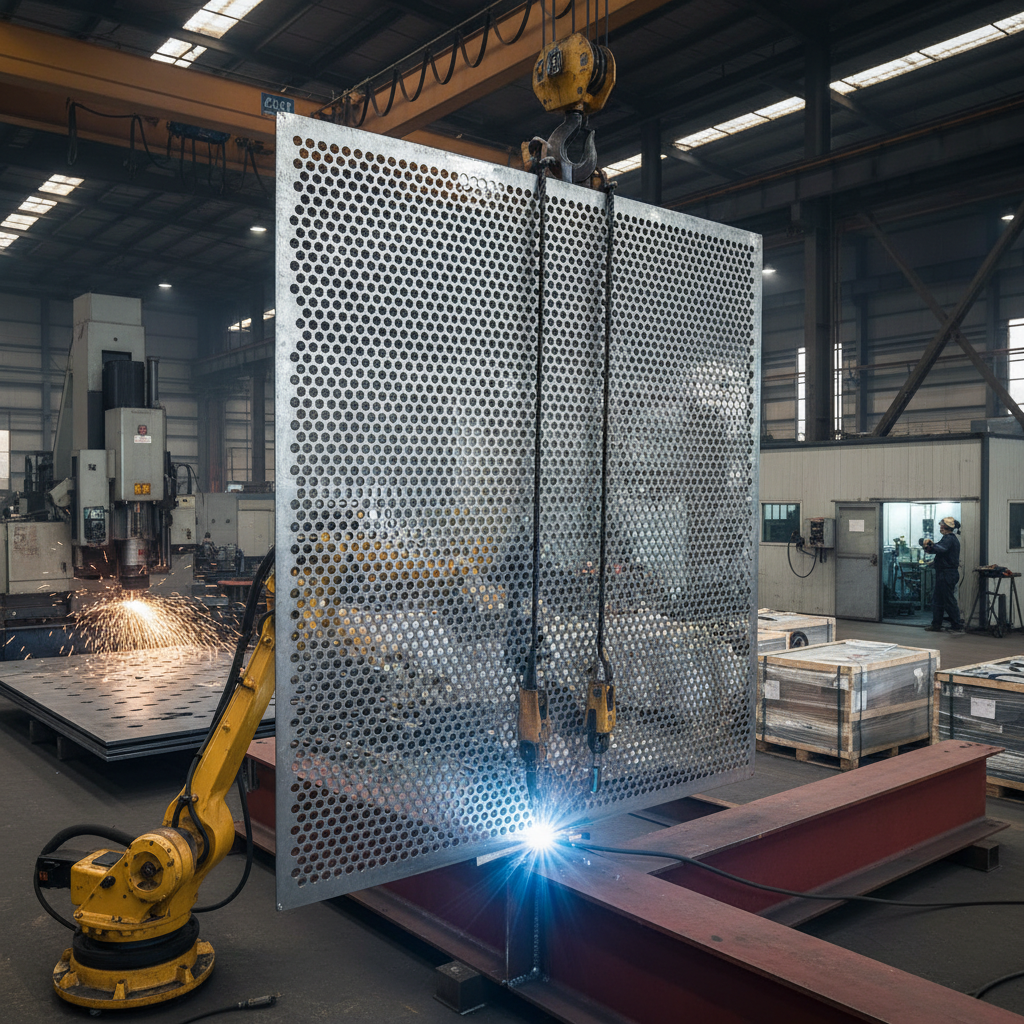
However, the industry faces a persistent challenge: the balance between "open area" and "structural rigidity." If a sheet is too perforated, it loses its load-bearing capacity; if it is too solid, it fails its primary function of filtration or ventilation. This tension has led to a global push for higher-grade alloys and CNC-precision punching, ensuring that punctured metal can withstand extreme environmental pressures while maintaining a specific flow rate.
Beyond the physical description, this material represents a bridge between solid barrier protection and open-air accessibility. In modern humanitarian needs, such as the construction of rapid-deployment medical facilities or water filtration systems in remote zones, punctured metal provides a durable, washable, and long-lasting medium that outperforms plastics or fabrics in harsh conditions.
The connection to modern industry is profound; whether it is the internal combustion engine's fuel strainers or the facade of a LEED-certified green building, the application of these perforated patterns allows for the optimization of thermodynamics, acoustics, and fluid dynamics, making it a silent but vital component of 21st-century technology.
Durability is the primary metric for punctured metal, especially when deployed in corrosive environments. The choice of material—be it 304 stainless steel, aluminum, or galvanized carbon steel—determines how the product resists oxidation and mechanical wear over decades of service.
Precision and Scalability are equally critical. The ability to maintain tight tolerances across thousands of square meters of material ensures that when these components are assembled in large-scale industrial filters or architectural grids, they fit perfectly without the need for costly on-site modifications.
Finally, cost-efficiency is achieved through the optimization of the "scrap rate." Advanced punching software allows manufacturers to arrange hole patterns in a way that minimizes wasted metal, reducing the overall environmental footprint and lowering the cost for the end consumer without sacrificing the strength of the punctured metal component.
In remote industrial zones or post-disaster relief operations, these materials are utilized for the creation of modular walkways, secure fencing, and emergency ventilation systems. Their ability to be easily transported in flat sheets and then shaped on-site makes them an ideal choice for logistics-heavy environments where traditional solid construction is too heavy or too slow to implement.
The tangible benefits of investing in high-grade punctured metal extend beyond immediate utility. From a sustainability perspective, these materials are almost 100% recyclable, fitting perfectly into the circular economy. By replacing heavy solid walls with perforated alternatives, companies can significantly reduce the dead weight of their structures, leading to lower transportation costs and reduced energy consumption during installation.
Emotionally and logically, the use of perforated metal conveys a sense of transparency and innovation. In architectural design, it provides a balance between privacy and light, creating environments that feel open yet secure. This psychological advantage, combined with the unwavering reliability of industrial-grade steel, fosters a sense of trust and safety for the end-users, whether they are employees in a factory or citizens in a public space.
Furthermore, the rise of green energy is driving the development of new "smart" alloys. These materials are designed to change their permeability based on temperature or electrical impulses, effectively creating a "breathing" metal skin for energy-efficient buildings. This integration of material science and automation is turning a traditional product into a dynamic system.
Sustainability policies are also pushing for the adoption of bio-based coatings on perforated surfaces to prevent corrosion without using toxic chemicals. As the industry moves toward carbon neutrality, the focus is shifting toward low-energy fabrication methods that maintain the high precision required for critical punctured metal applications.
One of the most common limitations in current practice is the "burr" effect—the rough edges left behind after a punching process. These burrs can be hazardous and can interfere with the filtration efficiency of punctured metal. To overcome this, experts are increasingly utilizing advanced deburring technologies and electrochemical polishing to ensure perfectly smooth apertures.
Another challenge is material deformation, where the sheet bends or warps due to the pressure of the punching tool. This is typically solved by implementing sophisticated clamping systems and using multi-stage punching sequences that distribute the stress evenly across the metal surface, ensuring a flat, professional finish.
Finally, the struggle to maintain consistency in very thin foils is being addressed through the adoption of photo-chemical etching. By removing metal at a molecular level rather than a mechanical one, manufacturers can create incredibly intricate patterns in thin-gauge materials without risking the structural collapse of the surrounding metal web.
| Material Grade | Corrosion Resistance | Tensile Strength | Typical Application |
|---|---|---|---|
| Stainless Steel 304 | High (8/10) | Very High (9/10) | Food Processing Filters |
| Stainless Steel 316 | Extreme (10/10) | Very High (9/10) | Marine Environments |
| Aluminum 5052 | Medium (6/10) | Medium (5/10) | Architectural Facades |
| Galvanized Steel | Medium (5/10) | High (8/10) | Industrial Walkways |
| Copper Alloys | High (7/10) | Medium (6/10) | Electrical Shielding |
| Titanium | Extreme (10/10) | Extreme (10/10) | Aerospace components |
Choosing the right hole size depends entirely on the desired flow rate and the size of the particles you need to filter. For high-precision filtration, smaller, more densely packed holes are required. For ventilation or aesthetic facades, larger holes are preferred to maximize light and air. We recommend calculating the "Open Area Percentage" to ensure the material meets both your permeability and structural load requirements.
Generally, punctured metal is more expensive because it involves the physical removal of material and requires high-precision tooling. Expanded metal is created by slitting and stretching, which is faster and produces zero waste. However, punctured metal offers far superior precision, consistent hole shapes, and a cleaner finish, which is why it is preferred for technical and high-end architectural applications.
Yes, modern CNC and laser technology allow for nearly unlimited customization. While round holes are the most common, we can produce square, slotted, hexagonal, or even completely custom artistic patterns. The pattern can be staggered or aligned depending on whether you need maximum strength (staggered) or specific linear flow (aligned).
The best way to prevent corrosion is to select the right material from the start, such as Stainless Steel 316 for marine environments. For carbon steel, powder coating, galvanization, or anodizing are highly effective options. Because punctured metal has more surface area exposed (including the inside of the holes), it is crucial that the coating process ensures full coverage of all edges.
The maximum thickness depends on the fabrication method. Mechanical punching can handle very thick plates, but the tooling costs increase. Laser cutting is ideal for medium thicknesses, while chemical etching is reserved for very thin foils. For most industrial applications, plates up to 10-20mm can be punctured, though structural integrity must be carefully analyzed for thicker materials.
NGOs can import these solutions by specifying the required ISO standards for safety and durability. Since punctured metal is often shipped in flat sheets, it is highly cost-effective for international freight. We recommend coordinating with a supplier who provides full material certifications (Mill Test Reports) to ensure smooth customs clearance and compliance with local building codes in the destination country.
Looking forward, the convergence of AI-driven design and advanced metallurgy will continue to push the boundaries of what perforated metal can achieve. Whether you are designing a state-of-the-art industrial plant or seeking durable solutions for humanitarian infrastructure, choosing the right specifications for your punctured metal is an investment in reliability and innovation. We encourage you to explore the synergy between form and function to optimize your next project. Visit our website: www.tomaifilters.com