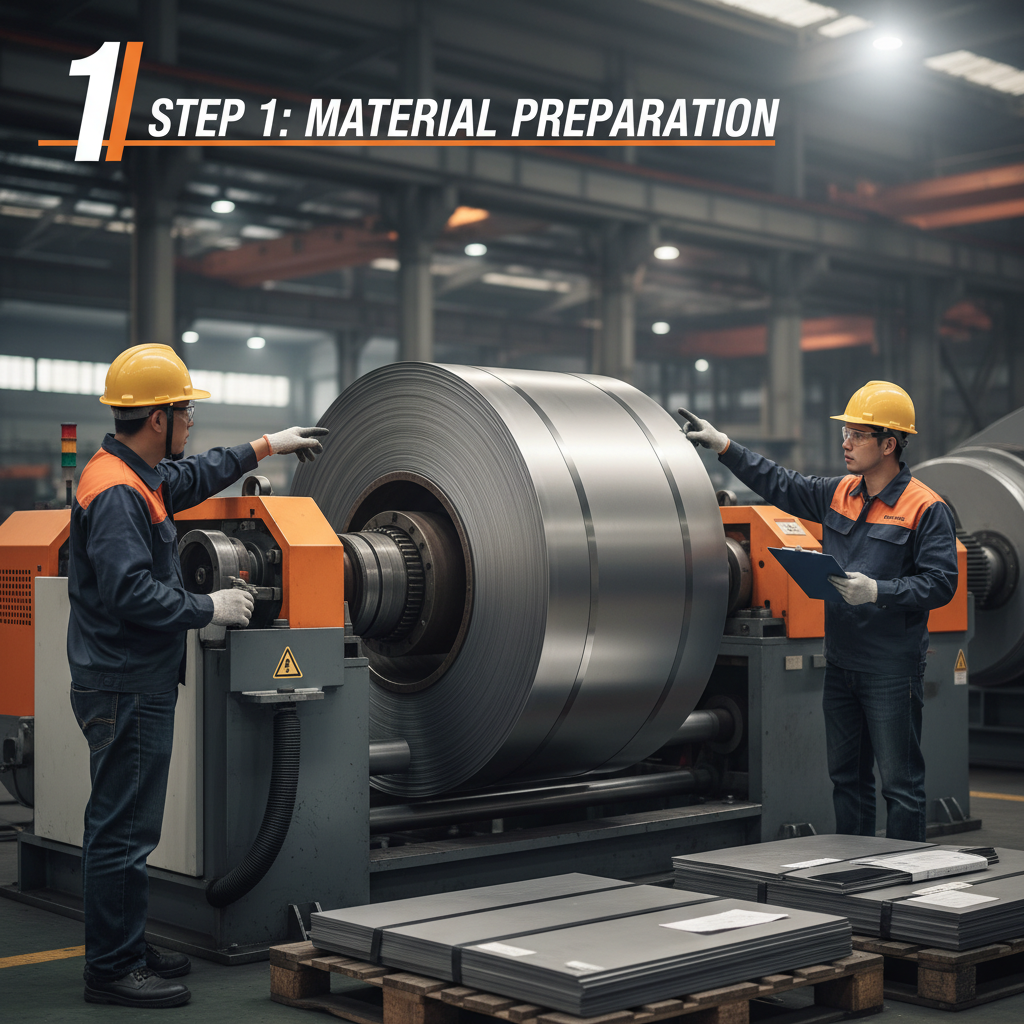
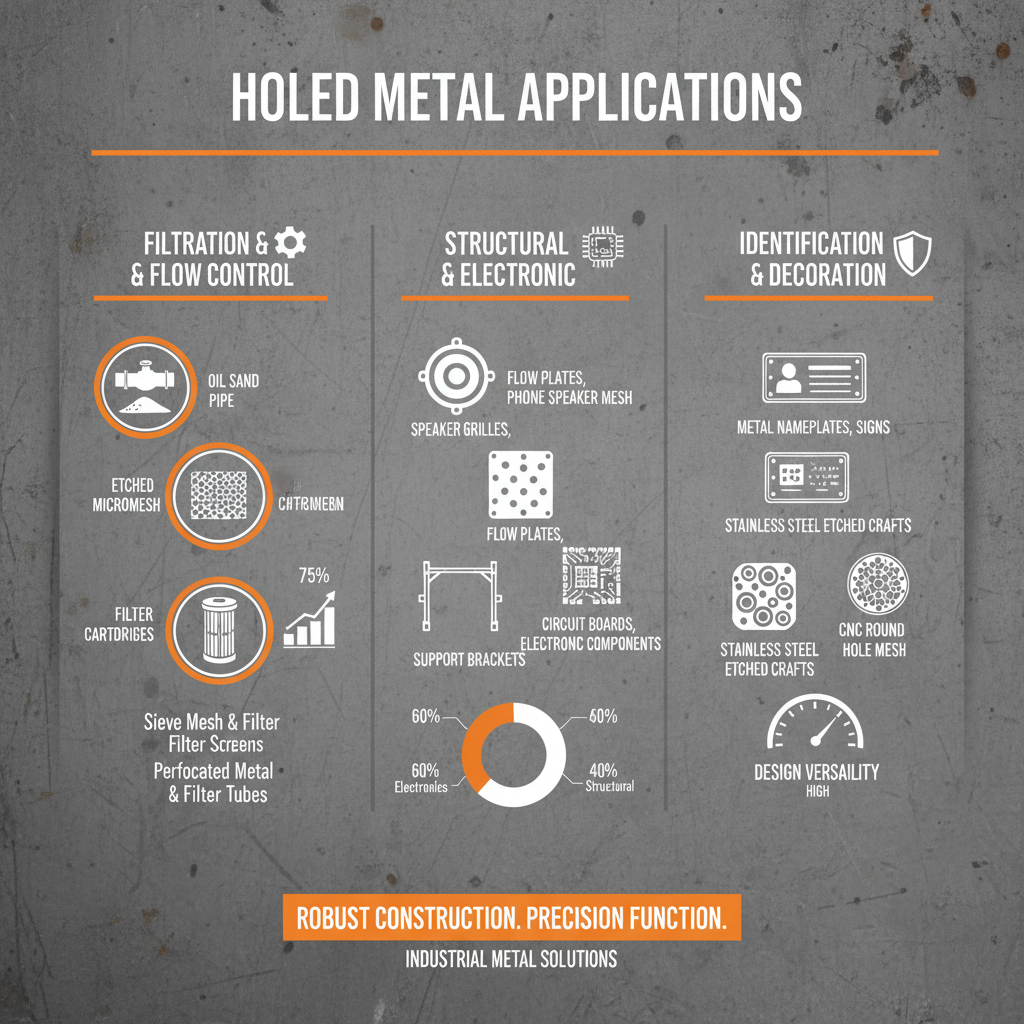
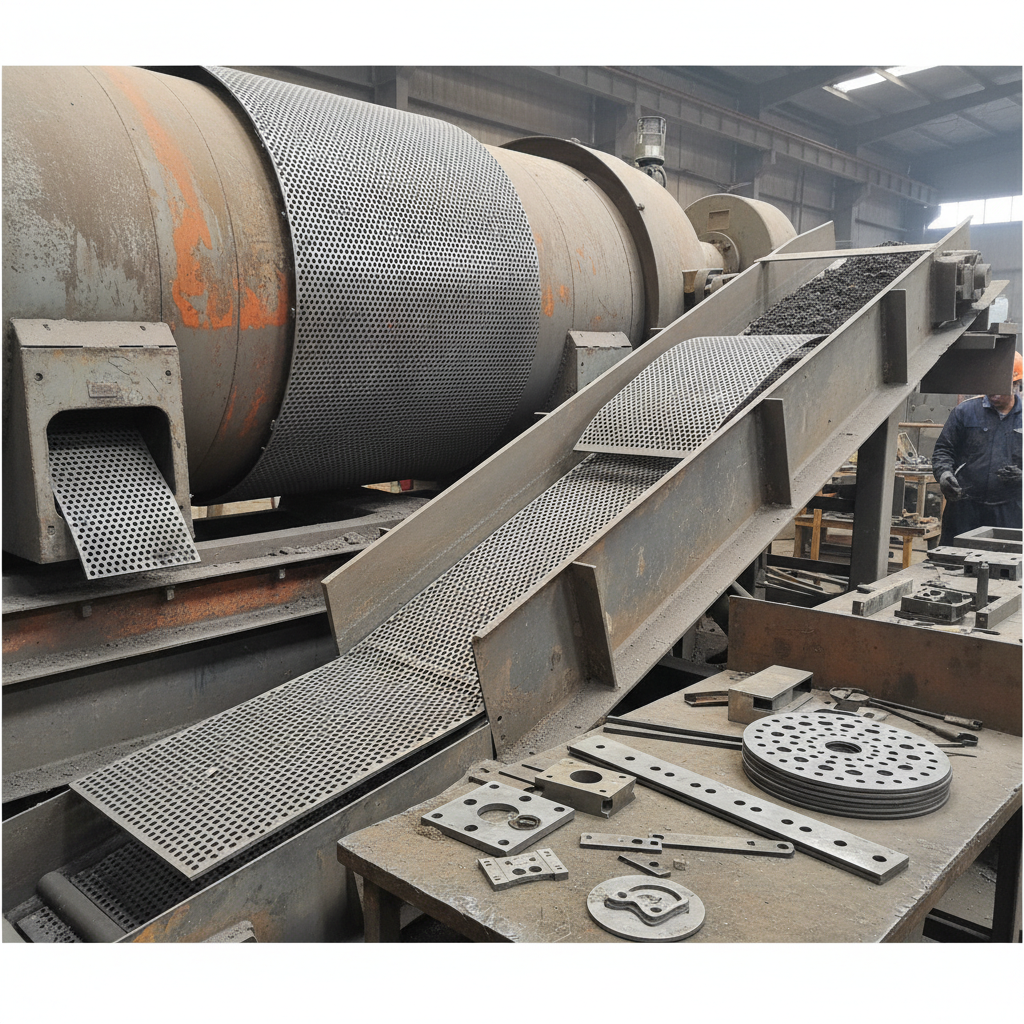
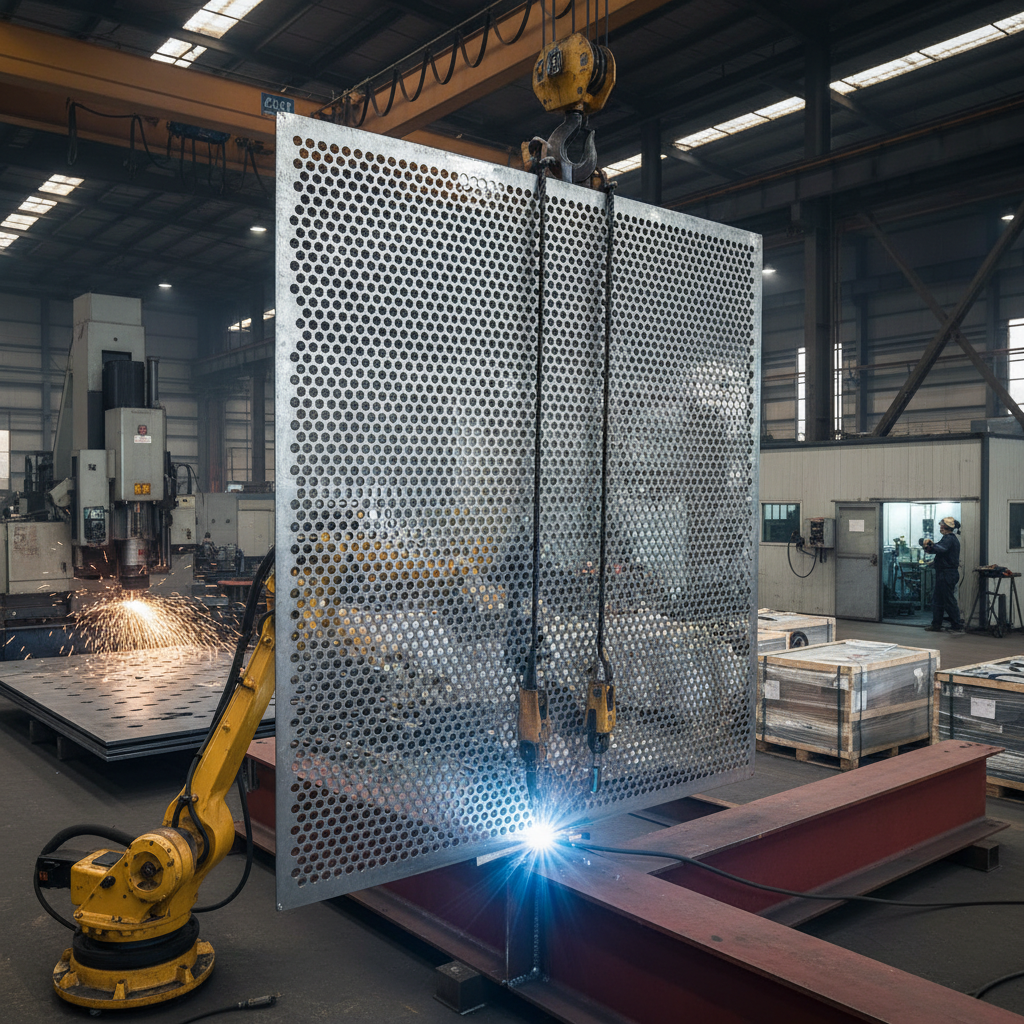
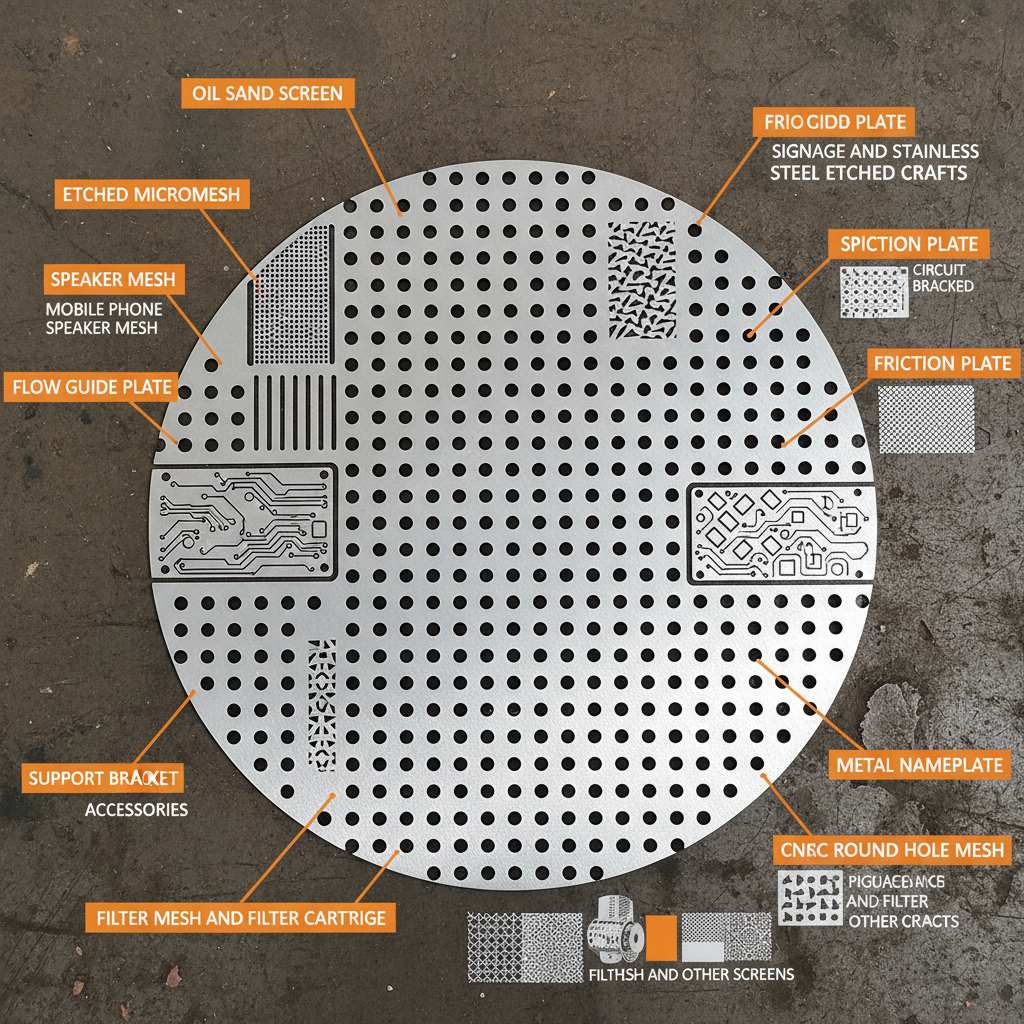
In the modern industrial landscape, holed metal serves as a critical bridge between structural integrity and functional permeability. From the intricate filtration systems in chemical plants to the robust safety guards in urban architecture, the ability to precisely engineer openings in metal sheets has revolutionized how we manage airflow, light, and liquid filtration. Understanding the nuances of these materials is essential for engineers and architects seeking to optimize performance while maintaining strict safety standards.
On a global scale, the demand for specialized holed metal solutions is driven by the rapid expansion of the automotive, aerospace, and green energy sectors. According to ISO standards for industrial materials, the precision of perforation and the choice of alloy directly impact the longevity and efficiency of the end product. As industries shift toward sustainable manufacturing, the focus has moved from simple fabrication to high-precision engineering that minimizes material waste.
However, the challenge remains in balancing the "open area" ratio with the mechanical strength of the panel. Too many holes can compromise structural stability, while too few can lead to inefficiency in filtration or ventilation. This delicate balance is where professional material science meets practical application, ensuring that every piece of holed metal is fit for its specific environmental stress and operational requirement.
Fundamental Definition of Holed Metal
At its simplest level, holed metal refers to any metallic sheet, plate, or mesh that has been engineered with a pattern of openings. These openings can be created through various processes—such as punching, etching, laser cutting, or expanding—depending on the required precision and the thickness of the material. Whether it is a coarse steel grating for industrial walkways or a microscopic etched mesh for lab filtration, the primary goal is to allow the passage of air, light, or fluids while providing a physical barrier.
Beyond the physical description, these materials are integral to modern infrastructure. In humanitarian contexts, such as the construction of temporary clinics or emergency housing, lightweight holed metal panels provide essential ventilation and security, proving that technical industrial components have a direct impact on human safety and dignity in critical zones.
Core Technical Components and Factors
The effectiveness of holed metal is determined by several key factors, the most prominent being the "Open Area Percentage." This is the ratio of the total area of the holes to the total area of the metal sheet. A high open area is crucial for applications like filtration and acoustic dampening, whereas a lower open area is preferred for structural reinforcement and safety screens.
Material selection is another cornerstone of design. Stainless steel is the industry standard for corrosive environments, while aluminum is favored for aerospace and architectural projects due to its strength-to-weight ratio. The choice of material determines how the holed metal will react to temperature fluctuations and chemical exposure over a twenty-year lifecycle.
Finally, the precision of the hole geometry—whether circular, square, slotted, or hexagonal—affects the flow dynamics of the medium passing through. In high-precision industries, the burr-free quality of the hole edges is non-negotiable, as any imperfection can lead to turbulence in fluid flow or create snag points in textile manufacturing processes.
Global Industrial Applications of Holed Metal
Across the globe, holed metal is deployed in diverse environments. In Northern Europe, where architectural design emphasizes natural light and airflow, perforated facades are used to regulate building temperatures, significantly reducing energy costs for HVAC systems.
In heavy industrial zones of East Asia and North America, holed metal in the form of wedge wire and steel gratings is indispensable. These materials are used in oil and gas separation, wastewater treatment plants, and mining operations where extreme durability and precise filtration are required to maintain operational safety.
Moreover, in post-disaster relief operations, modular holed metal components are used to create fast-deployable drainage and ventilation systems. This adaptability allows NGOs and government agencies to establish sanitary environments in remote areas quickly, showcasing the humanitarian value of structural metal fabrication.
Performance Metrics for Different Methods
Selecting the right fabrication method for holed metal depends on the desired balance between cost and precision. Punched metal is the go-to for high-volume, cost-effective production, while chemical etching allows for incredibly intricate patterns that are impossible to achieve with mechanical tools.
For heavy-duty applications, expanded metal provides a unique structural advantage by slicing and stretching the material, creating a diamond-shaped pattern that increases rigidity without adding weight. This makes it ideal for security fencing and industrial flooring.
Comparison of Holed Metal Fabrication Methods
Long-Term Value and Sustainability
The long-term value of investing in high-quality holed metal lies in its durability and recyclability. Unlike plastic alternatives, metallic perforated sheets can be repurposed and recycled indefinitely without losing their core properties, aligning with the global push toward a circular economy.
From a logical perspective, the reduction in maintenance costs is a primary driver. High-grade stainless holed metal resists oxidation and corrosion, meaning replacements are needed far less frequently. This reliability translates into trust for facility managers and engineers who cannot afford downtime in critical filtration or safety systems.
Future Trends in Metal Perforation
The future of holed metal is being shaped by the integration of AI-driven design and additive manufacturing. Generative design allows engineers to create non-uniform hole patterns that optimize fluid dynamics far beyond what human calculation could achieve, leading to "smart filters" that maximize flow while minimizing pressure drop.
Furthermore, the rise of green hydrogen and carbon capture technologies is creating a demand for specialized holed metal catalysts and membranes. These components must withstand extreme pressures and temperatures while maintaining precise porosity, pushing the boundaries of current material science.
Digital transformation is also impacting the supply chain. Real-time tracking and customized on-demand laser cutting mean that holed metal components can be produced with zero waste, precisely fitting the specifications of a project without the need for extensive on-site modifications.
Challenges and Expert Solutions
One of the most common challenges in using holed metal is the "edge-effect" or burr formation during punching, which can lead to premature wear or safety hazards. To overcome this, expert manufacturers are adopting advanced deburring technologies, including ultrasonic cleaning and chemical polishing, to ensure a perfectly smooth finish.
Another significant limitation is the tendency for fine holed metal filters to clog over time. The solution lies in the implementation of "back-flushing" systems and the use of hydrophobic coatings that prevent particles from adhering to the metal surfaces, thereby extending the operational lifespan of the equipment.
Finally, balancing cost with performance often leads to the selection of inferior alloys. We recommend a lifecycle cost analysis (LCCA) rather than focusing on the initial purchase price. By choosing a superior grade of holed metal, companies often save significantly on labor and replacement costs over a 5-10 year period.
Comparison of Holed Metal Solutions by Application Stress
| Material Type |
Perforation Method |
Durability Score |
Primary Use Case |
| Stainless Steel 316 |
Etched/Laser |
10/10 |
Chemical Filtration |
| Aluminium 6061 |
Punched |
7/10 |
Architectural Facades |
| Galvanized Steel |
Expanded |
8/10 |
Security Walkways |
| Nickel Alloy |
Etched |
9/10 |
Aerospace Heat Shields |
| Mild Steel |
Punched |
6/10 |
General Ventilation |
| Titanium |
Laser-Cut |
10/10 |
Medical Implants/Filters |
FAQS
Punched holed metal is created by mechanically forcing a tool through the metal, which is faster and more cost-effective for larger holes. Etched holed metal uses chemicals to remove material, allowing for microscopic precision, complex patterns, and a completely burr-free finish, making it ideal for high-end filtration systems.
To determine the open area, you must analyze the flow rate requirements of the medium (air/liquid) and the structural load the panel must support. A general rule is that higher open areas increase permeability but decrease the load-bearing capacity. Consulting a material engineer to balance the hole diameter and pitch is recommended.
Yes, holed metal is highly sustainable. Most metals used, such as stainless steel and aluminum, are 100% recyclable. Furthermore, perforated designs often reduce the overall weight of a structure, leading to lower transportation emissions and less material consumption during the construction phase.
Absolutely. By selecting materials like Stainless Steel 316 or specialized Nickel alloys, holed metal can withstand saltwater, acids, and other corrosive agents. Adding a powder coating or galvanization can further enhance the protection for mild steel options.
Prevention starts with choosing the correct hole size for the particles being filtered. Additionally, implementing a reverse-pulse cleaning system (back-flushing) or applying an oleophobic/hydrophobic coating can prevent contaminants from sticking to the surface, significantly extending the filter's life.
For large-scale, simple patterns, punching and expanding are the most cost-effective methods. They offer high production speeds and lower per-unit costs. However, for specialized projects where precision saves money in the long run (by reducing waste or increasing efficiency), laser cutting is often the better investment.
Conclusion
In summary, holed metal is far more than a simple industrial component; it is a versatile engineering solution that balances structural strength with functional permeability. By understanding the interplay between material selection, perforation methods, and open area ratios, industries can significantly optimize their operations, from improving architectural energy efficiency to enhancing the precision of chemical filtration.
Looking forward, the integration of AI and sustainable manufacturing will continue to push the boundaries of what holed metal can achieve. We encourage engineers and procurement specialists to look beyond the initial cost and consider the lifecycle value, sustainability, and performance gains that high-precision perforated metals offer. For professional guidance and high-quality solutions, visit our website: www.tomaifilters.com.