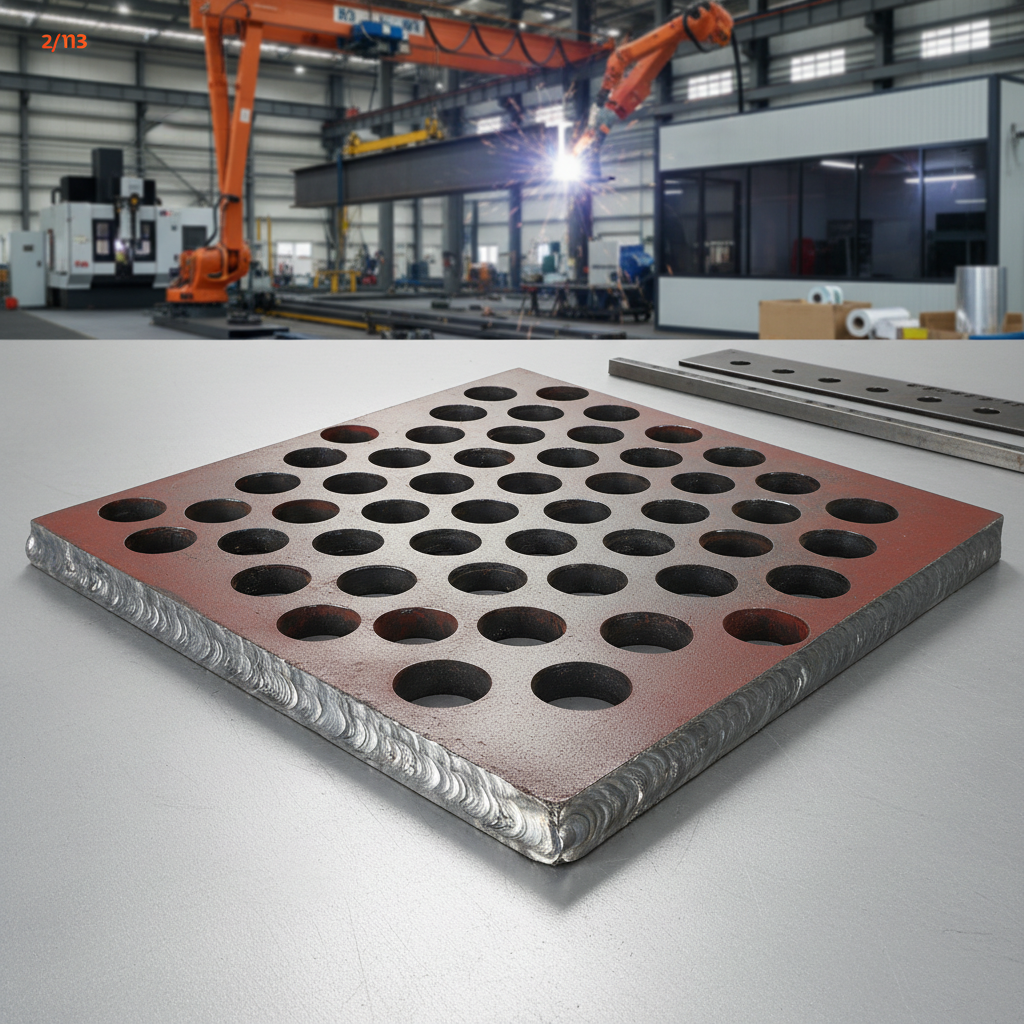
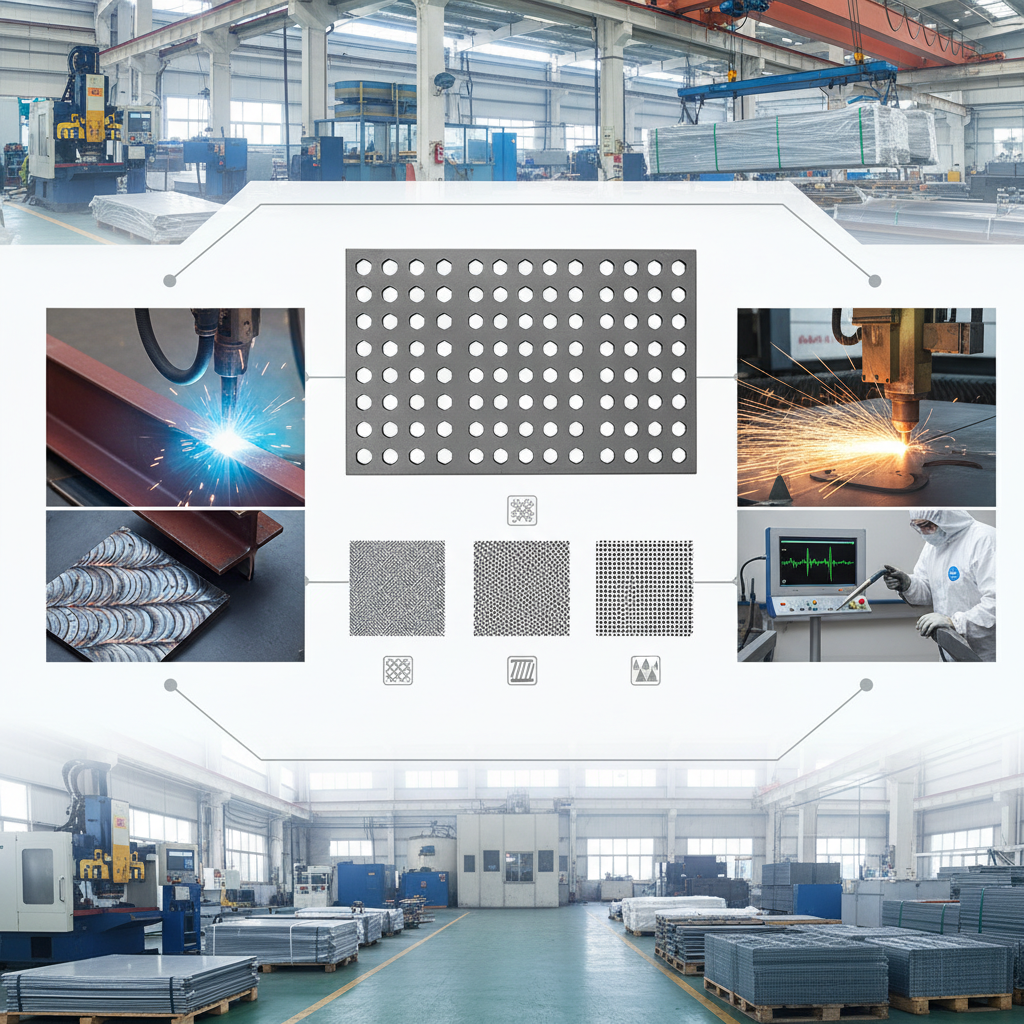
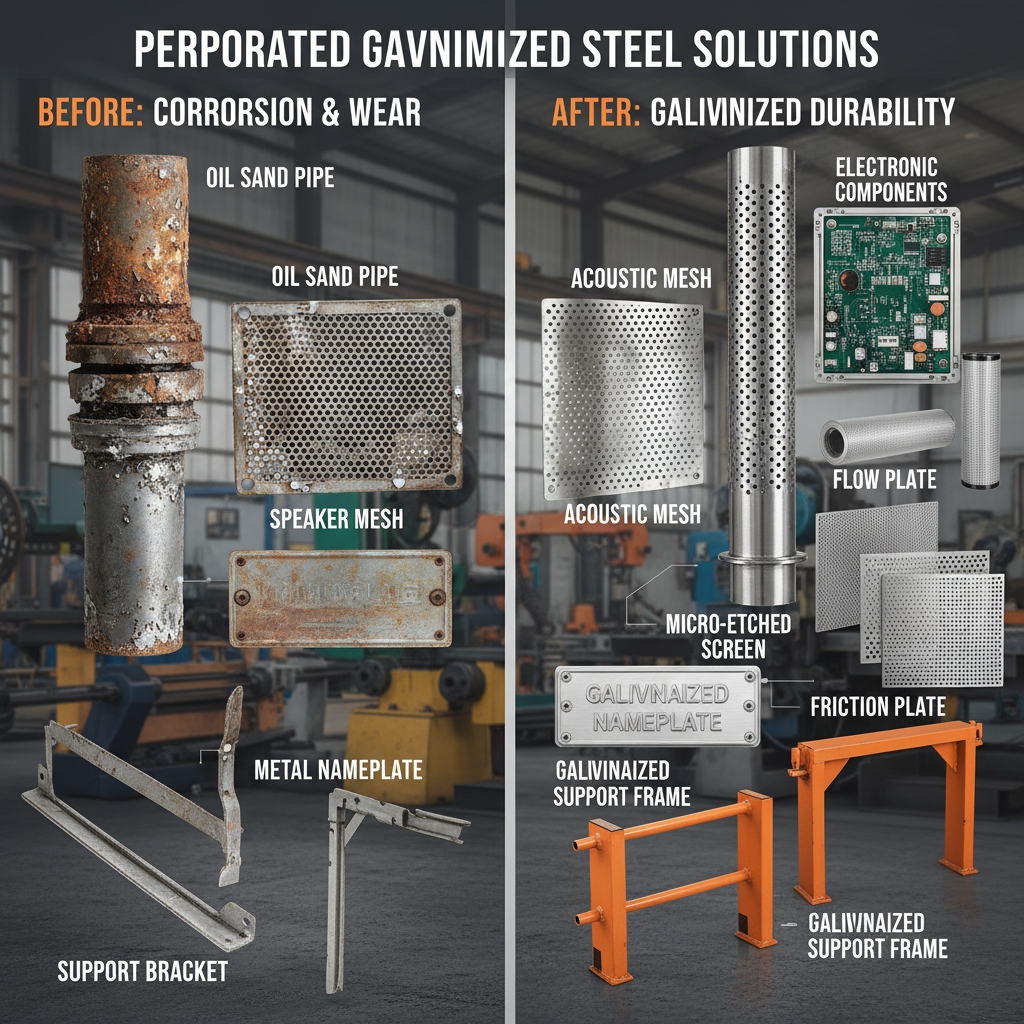
The versatility of a hole punched metal sheet is a cornerstone of modern industrial engineering, offering a precise balance between structural integrity and functional permeability. Whether utilized for acoustic dampening, filtration, or architectural aesthetics, these perforated solutions allow engineers to control airflow, light transmission, and liquid drainage with mathematical precision. Understanding the nuances of hole patterns and material selection is essential for optimizing performance in high-stress environments.
Globally, the demand for high-quality perforated metals is driven by the rapid expansion of the construction and automotive sectors, where weight reduction and ventilation are paramount. By strategically removing material through punching, industries can achieve significant mass reduction without compromising the overall strength of the component. This efficiency makes the hole punched metal sheet an indispensable asset in the pursuit of sustainable and lean manufacturing.
From a commercial perspective, the ability to customize hole diameter, pitch, and material grade allows for a bespoke approach to problem-solving in the metal fabrication industry. Whether it is stainless steel for corrosive environments or aluminum for lightweight aerospace applications, the application of a hole punched metal sheet ensures that specific technical requirements are met while maintaining cost-effectiveness and long-term durability.
Global Industry Context of Hole Punched Metal Sheet
In the current global manufacturing landscape, the hole punched metal sheet serves as a critical component across multiple ISO-standardized industries. With the rise of "Smart Cities" and green building certifications (such as LEED), there is an increasing reliance on materials that facilitate natural ventilation and energy efficiency. Market data suggests a steady climb in the adoption of perforated metals in the APAC and EMEA regions, where urban infrastructure projects require durable yet permeable facades to mitigate heat island effects.
However, the industry faces a persistent challenge: balancing the "open area percentage" with structural load-bearing capacity. When too much material is removed to increase airflow, the integrity of the sheet may fail under pressure. This technical tension drives the need for advanced CNC punching technologies and high-tensile alloys, ensuring that every hole punched metal sheet produced can withstand the rigors of industrial use while meeting strict safety and environmental regulations.
Defining the Hole Punched Metal Sheet and Its Purpose
At its simplest, a hole punched metal sheet is a metal plate that has had a pattern of holes punched into it using a press or a CNC turret punch. Unlike drilling, which removes material in a spiral, punching uses a die and punch set to shear the metal, creating clean, consistent apertures. This process allows for an incredible variety of shapes—from standard circles and squares to complex slotted patterns tailored for specific industrial needs.
The primary purpose of this engineering method is to modify the physical properties of the metal without replacing the material entirely. By introducing porosity, the sheet can act as a filter, a speaker grille, a sunshade, or a safety guard. This makes it a vital tool in humanitarian and industrial contexts alike; for example, in remote water treatment plants, these sheets serve as primary screening layers to remove debris before fine filtration occurs.
In the context of modern architecture, the hole punched metal sheet bridges the gap between form and function. It provides a sophisticated aesthetic that hides structural elements while allowing light and air to pass through, reducing the reliance on artificial lighting and HVAC systems, thereby aligning industrial production with global sustainability goals.
Core Components of High-Performance Perforated Sheets
The efficiency of a hole punched metal sheet is primarily determined by its material composition. Stainless steel (304 or 316) is favored for its corrosion resistance, making it ideal for chemical plants and marine environments. Aluminum is the go-to for aerospace and automotive sectors due to its high strength-to-weight ratio, while galvanized steel offers a cost-effective solution for outdoor construction and fencing.
Precision in the "Open Area Percentage" is the second core component. This is the ratio of the area of the holes to the total area of the sheet. For a hole punched metal sheet used in filtration, a high open area is required to maximize flow rate, whereas for a security screen, a lower open area is preferred to maintain structural rigidity and prevent unauthorized access.
Finally, the hole geometry—including the diameter, pitch (distance between hole centers), and stagger pattern—defines the sheet's operational capability. A staggered pattern typically provides more strength and better filtration efficiency than a straight-line pattern. When these three factors—material, open area, and geometry—are optimized, the resulting hole punched metal sheet provides maximum value and longevity.
Global Applications and Industrial Use Cases
The application of hole punched metal sheet spans across nearly every major industrial sector. In the automotive industry, they are used for radiator grilles and speaker covers, where airflow and sound transmission are critical. In the food and beverage industry, high-grade stainless steel perforated sheets are used for draining trays and conveyor belts, ensuring hygienic processing and easy cleaning.
In more specialized contexts, such as post-disaster relief operations, these sheets are often used in the rapid assembly of modular filtration systems for emergency water purification. Their ability to be mass-produced and shipped easily makes them an ideal choice for NGOs operating in remote industrial zones where traditional infrastructure is damaged or non-existent.
Performance Comparison of Hole Punched Metal Sheet Types
Tangible Advantages and Long-Term Value
The primary advantage of choosing a hole punched metal sheet is its exceptional reliability. Unlike plastic meshes, metal perforated sheets do not degrade under UV exposure and can withstand extreme temperatures. This longevity translates into lower lifecycle costs for facility managers, as the need for replacement is significantly reduced, and maintenance is often as simple as a pressure wash.
Beyond the logic of cost and durability, there is an element of trust and safety. In industrial safety guarding, these sheets provide a physical barrier that prevents accidents while still allowing operators to monitor equipment through the holes. This balance of security and visibility enhances workplace dignity and safety, proving that the hole punched metal sheet is as much about human well-being as it is about mechanical efficiency.
Future Trends and Material Innovations
The future of the hole punched metal sheet is being shaped by the digital transformation of manufacturing. The integration of AI-driven design allows for "generative perforation," where hole sizes and distributions are mathematically optimized to provide the maximum possible strength with the minimum amount of material. This not only reduces waste but also lowers the carbon footprint of the production process.
Sustainability is also driving a shift toward recycled alloys. We are seeing a rise in the use of "Green Steel" and recycled aluminum for perforated sheets, aligning the product with the circular economy. Furthermore, new nano-coatings are being applied to these sheets to create hydrophobic or antimicrobial surfaces, expanding their use in medical laboratories and high-tech cleanrooms.
Automation in the punching process, utilizing laser-hybrid technology, is allowing for tighter tolerances and more complex patterns than ever before. This means a hole punched metal sheet can now be engineered to act as a precise acoustic diffuser, absorbing specific sound frequencies in concert halls or industrial noise-reduction zones.
Challenges and Expert Technical Solutions
One of the most common challenges with a hole punched metal sheet is "burring"—the rough edges left behind after the punching process. In applications where human contact is frequent or where precise filtration is required, these burrs can be hazardous or cause clogging. The professional solution is a secondary deburring process, such as vibratory finishing or chemical etching, which ensures a smooth, safe edge.
Another significant issue is material deformation, where the sheet bows or warps during the punching of high-density patterns. Expert fabricators overcome this by utilizing specialized clamping systems and adjusting the sequence of the punch hits to distribute the stress evenly across the sheet. This ensures the final hole punched metal sheet remains perfectly flat and structurally sound.
Finally, corrosion in saline or acidic environments remains a hurdle for non-stainless materials. To solve this, the industry has moved toward advanced powder coating and PVD (Physical Vapor Deposition) treatments. These coatings provide an impenetrable barrier, extending the life of a hole punched metal sheet by decades, even in the harshest offshore environments.
Technical Analysis of Hole Punched Metal Sheet Specifications
| Material Grade |
Primary Use Case |
Corrosion Resistance |
Strength Score (1-10) |
| Stainless Steel 316 |
Marine/Chemical Filtration |
Excellent |
9 |
| Aluminum 5052 |
Aerospace Paneling |
Good |
6 |
| Galvanized Steel |
Outdoor Fencing |
Moderate |
7 |
| Carbon Steel |
Industrial Machinery |
Low (Needs Coating) |
8 |
| Titanium Grade 2 |
Medical Implants/High-Temp |
Superior |
10 |
| Copper/Brass |
Electrical Shielding |
Moderate |
5 |
FAQS
Choosing the right open area depends on your primary goal. For filtration or ventilation, a higher open area (typically 40% to 70%) is required to maximize flow. For structural support, security, or privacy screens, a lower open area (10% to 30%) is ideal to maintain the sheet's rigidity and strength. Always calculate the flow requirements first, then balance them against the mechanical load the sheet must carry.
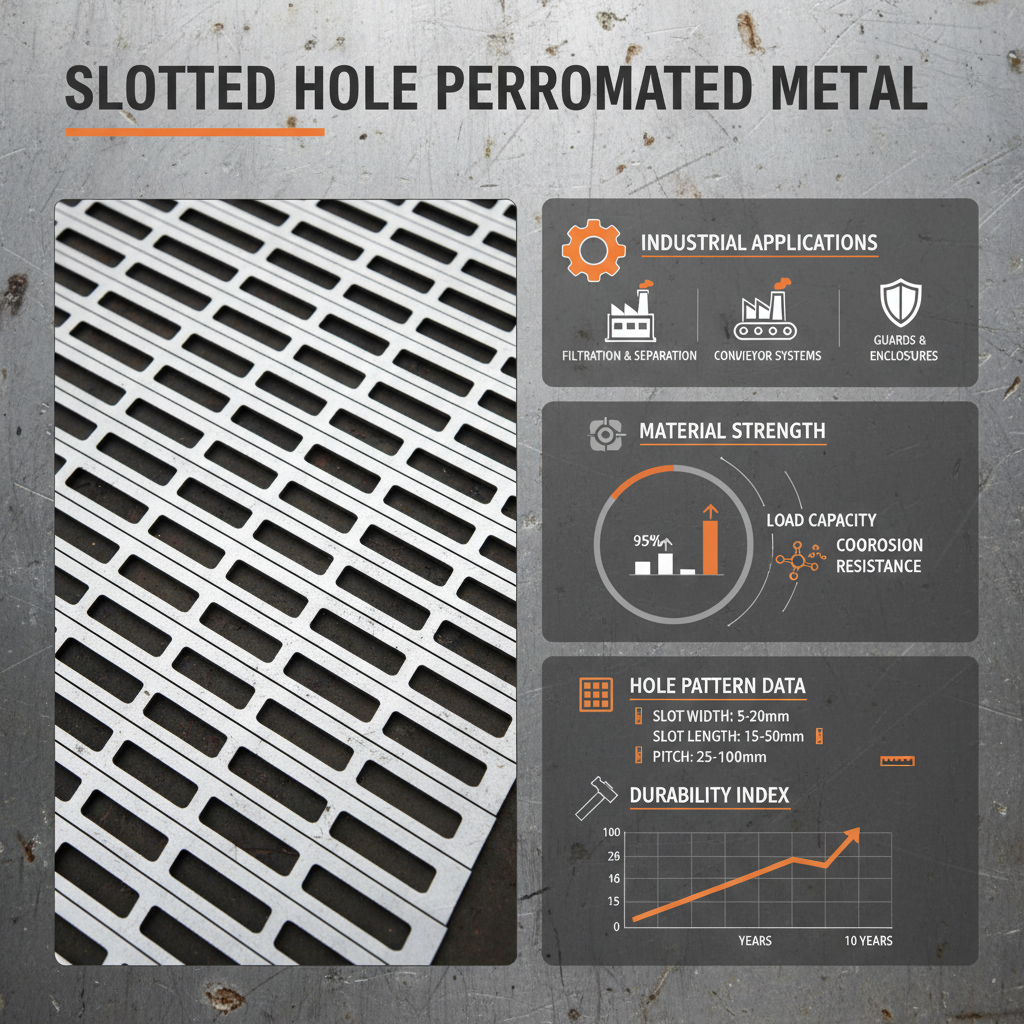
Yes, absolutely. While circular holes are the most common, CNC punching allows for square, rectangular, slotted, or even custom decorative shapes. This versatility is crucial for applications like non-slip flooring (where slots are preferred) or acoustic panels (where specific geometric patterns help in sound diffusion). Custom dies can be created to meet any technical specification.
For highly corrosive environments, Stainless Steel 316 is the industry standard due to its molybdenum content, which resists chlorides and acids better than SS 304. For extreme cases, such as seawater exposure or chemical processing, Titanium is the superior choice. For budget-conscious projects in moderately corrosive areas, galvanized steel with an additional powder coating can provide sufficient protection.
Punching is generally faster and more cost-effective for large volumes of standard hole patterns because it uses a die to shear the metal. Laser cutting offers higher precision and the ability to create intricate, non-repeating designs without the need for custom tooling. However, for high-volume production of a hole punched metal sheet, traditional punching is significantly more efficient.
Burrs are small, sharp pieces of metal pushed out of the hole during the punching process. They can be removed through several methods: mechanical deburring (using abrasive belts), vibratory tumbling (using ceramic media), or chemical etching. For high-precision applications, "fine-blanking" can be used to produce holes that are virtually burr-free from the start.
The lifespan depends entirely on the material and environment. A stainless steel hole punched metal sheet in a controlled environment can last for decades. In harsh industrial settings, galvanized steel may last 5-15 years depending on the coating thickness. Regular maintenance, such as cleaning and re-coating, can significantly extend the operational life of any perforated metal component.
Conclusion
The hole punched metal sheet is far more than a simple piece of perforated material; it is a precision-engineered solution that solves complex challenges in ventilation, filtration, and structural design. By optimizing material selection, hole geometry, and surface treatments, industries can achieve a perfect synergy between strength and permeability. From the heavy-duty requirements of chemical plants to the aesthetic demands of modern architecture, the versatility of these sheets ensures they remain a staple of global industrial progress.
Looking forward, the integration of sustainable materials and AI-driven design will continue to push the boundaries of what perforated metals can achieve. We encourage engineers and architects to explore custom perforation patterns to maximize energy efficiency and reduce material waste in their next project. For high-quality, precision-engineered perforated solutions, visit our website: www.tomaifilter.com