When engineers specify materials for industrial filtration or architectural shielding, the choice often comes down to a balance between weight, corrosion resistance, and precise airflow control. Finding reliable aluminum perforated sheets suppliers is not merely about sourcing a metal plate; it is about identifying a partner capable of meeting strict tolerance levels for aperture size and open-area percentages. In complex environments, a deviation of just 0.2mm in perforation diameter can lead to significant pressure drops or insufficient particle retention in high-volume systems.
The critical nature of this selection becomes evident when these components are integrated into broader metal filtration systems. Whether utilizing Expanded Metal Mesh for structural reinforcement or Etched Metal Mesh for sub-micron precision, the perforated sheet serves as the primary interface between the fluid and the filter. For industries like chemical processing or desalination, the interaction between the aluminum alloy and the surrounding media determines the total lifecycle of the equipment, making the supplier's material certification a non-negotiable requirement for operational safety.
Navigating the technical specifications of perforated metals requires an understanding of how fabrication methods influence final performance. This analysis explores the engineering variables that define high-quality perforated aluminum, from laser-cut precision to surface treatments like electropolishing. By evaluating the intersection of material science and manufacturing capability, procurement teams can better identify aluminum perforated sheets suppliers that provide documented reliability rather than generic industrial components.


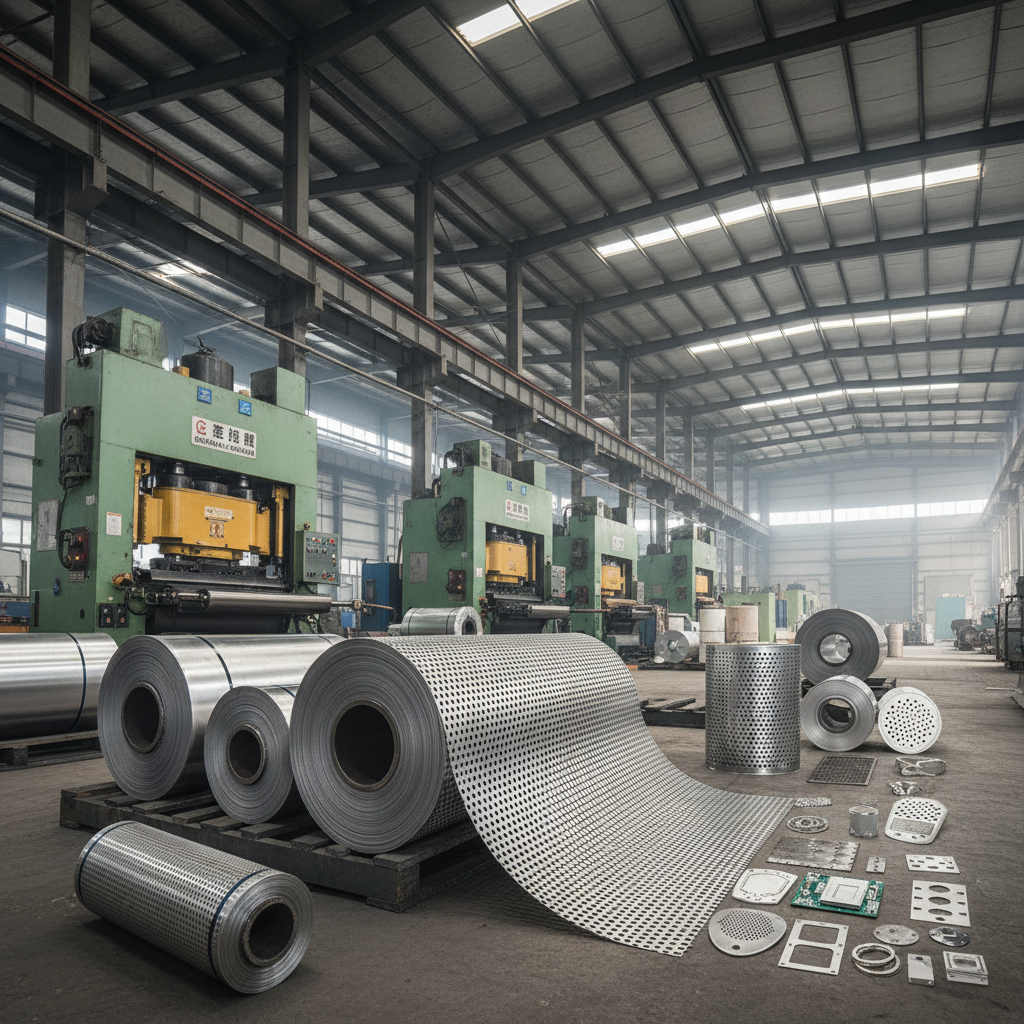
Aluminum perforation is the process of creating a precise pattern of holes in aluminum sheets using mechanical punching or laser cutting. Unlike woven wire mesh, perforated sheets provide superior structural rigidity and are less prone to deformation under high-pressure flow. This makes them ideal for applications where the metal must act as both a filter medium and a structural support, such as in large-scale industrial strainers or architectural safety barriers.
The engineering of these sheets focuses on the "open area" ratio—the percentage of the sheet that is actually void. A higher open area reduces the pressure drop across the filter, which is critical for high-volume pipelines. However, increasing the open area typically reduces the mechanical strength of the plate. The challenge for a professional manufacturer is to optimize this ratio to ensure the sheet can withstand operational pressures without collapsing or warping.
The performance of perforated aluminum is governed by several key technical variables. First, the aperture geometry—whether circular, square, or slotted—determines the type of debris captured and the flow characteristics. Circular holes offer the most uniform stress distribution, while slotted perforations are often preferred for capturing elongated particles or facilitating easier cleaning in wastewater systems.
The precision of the hole diameter, often maintained within a ±0.2 mm tolerance, is the single most important factor in ensuring consistent particle retention. When these tolerances are exceeded, "bypass" occurs, allowing contaminants to enter sensitive downstream equipment, which can lead to catastrophic failure in high-pressure hydraulic or steam lines.
Furthermore, the material grade chosen significantly impacts the component's longevity. While standard aluminum is sufficient for HVAC systems, more demanding environments require specialized alloys. For instance, when integrating with high-grade components like 316L stainless steel or Duplex 2205, the aluminum sheets must be treated to prevent galvanic corrosion at the contact points, ensuring a stable mechanical bond throughout the product's lifecycle.
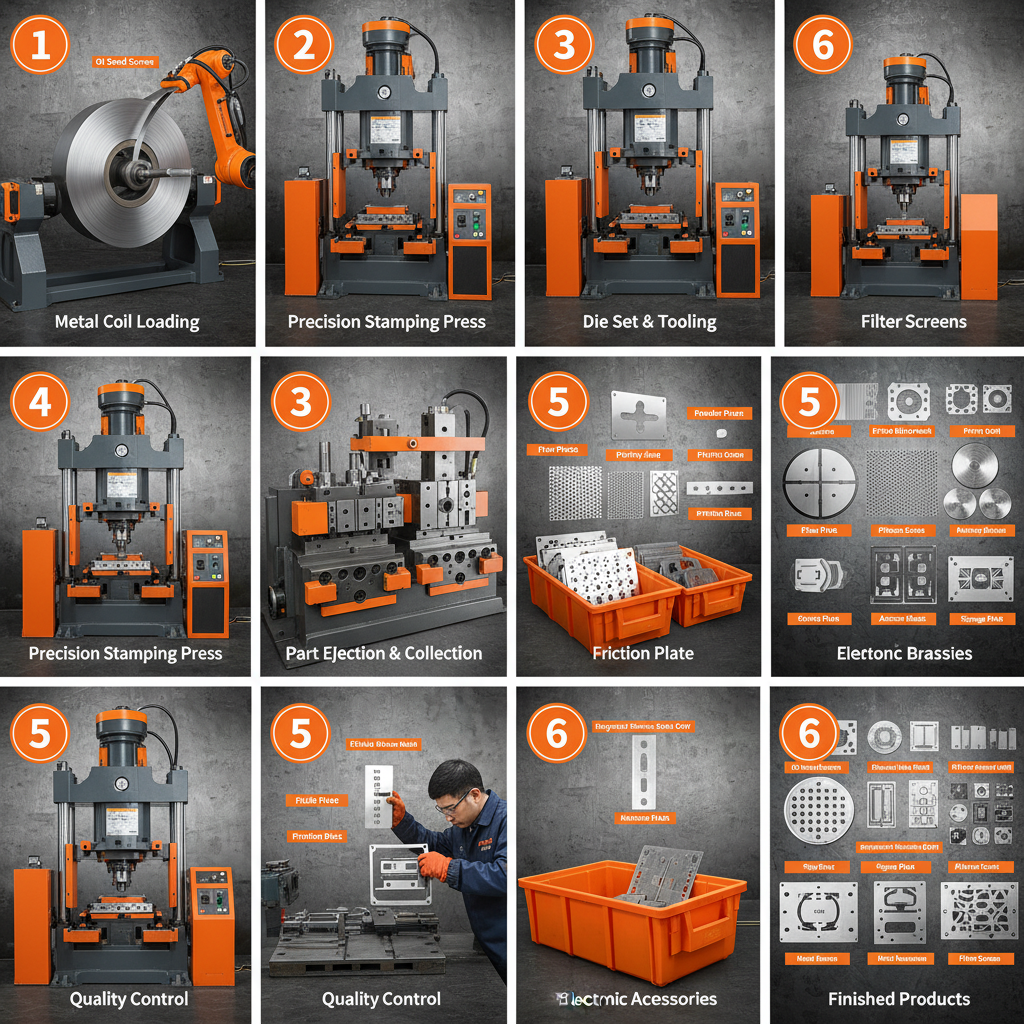
Evaluating the quality of aluminum perforated sheets requires a comparison of fabrication methods. Mechanical punching is cost-effective for high-volume, standard patterns, but it can introduce burrs that disrupt laminar flow. In contrast, laser-cut perforations provide extremely clean edges and the ability to create complex, non-linear patterns that are essential for specialized polymer pellet screens or fuel oil strainers.
When comparing different material options within the filtration spectrum, the choice between perforated metal, wedge mesh, and etched mesh depends on the required micron rating. Perforated sheets typically handle coarse filtration (1mm to 20mm), whereas etched mesh provides the sub-micron precision needed for pharmaceutical bioburden control. The following data illustrates the relative effectiveness of these methods across different particle sizes.
In the Oil & Gas sector, perforated aluminum is frequently deployed in cooling water systems and HVAC strainers. Due to its natural oxide layer, aluminum provides an inherent defense against atmospheric corrosion, though it is often supplemented with epoxy coatings to meet NACE MR0175 compliance in more aggressive saltwater environments. These sheets are often used as the coarse outer layer of a dual-stage filtration system, protecting finer internal screens from large debris.
Within the food and beverage industry, electropolished perforated sheets are used to achieve Ra ≤0.3 µm surface finishes. This prevents bacterial colonization and ensures compliance with 3-A Sanitary Standards. Whether used in brewery wort filtration or edible oil refining, the ability to withstand Clean-In-Place (CIP) processes without pitting or degradation is what separates professional-grade perforated components from generic architectural sheets.
The industry is moving away from simple mechanical dies toward CNC-controlled punching and laser ablation. This shift allows for "tapered" hole geometries, which are specifically designed to facilitate self-cleaning in wastewater sludge systems. By creating a slight conical shape to the perforation, the material is less likely to blind or clog, reducing the frequency of manual maintenance and decreasing operational downtime.
Another significant trend is the integration of hybrid materials. We are seeing more instances where aluminum perforated sheets are laser-welded to stainless steel ribs. This combines the lightweight, corrosion-resistant properties of aluminum with the extreme pressure ratings (up to 150+ bar) of reinforced steel, providing a customized solution for high-pressure steam lines in power plant condensers.
Sustainable manufacturing is also redefining the procurement landscape. Modern suppliers are focusing on "green solutions" by utilizing recycled aluminum alloys from reputable sources like the Taigang or Shougang Groups. This not only reduces the carbon footprint of the project but also ensures that the raw material maintains the structural integrity required for industrial-grade filtration and security applications.
One of the most frequent challenges when installing perforated aluminum is the risk of deformation during the welding or fastening process. Because aluminum has a different thermal expansion coefficient than steel, rigid mounting can lead to stress fractures. The solution lies in using floating gaskets or precision-engineered quick-release mechanisms that allow for slight thermal movement while maintaining a tight seal.
Another common issue is "blinding," where particles become lodged in the perforations. This is often caused by choosing a hole size that is too close to the average particle size of the media. Engineers are advised to use a 3:1 ratio—where the hole diameter is at least three times the size of the largest particle to be passed—to ensure a consistent flow and prevent premature clogging.
Ultimately, the success of a perforated metal installation depends on the alignment of material specifications with the actual operating environment. Selecting a supplier with AS 9100 or ISO 14001 accreditation ensures that the products undergo rigorous testing, such as bubble point tests, to validate mesh integrity before the components ever reach the field.
| Environment | Recommended Material | Key Treatment | Primary Risk |
|---|---|---|---|
| Coastal/Marine | Alloy 5083 / Duplex | Hot-Dip Galv. | Chloride Pitting |
| Food Grade | Aluminum 3003 | Electropolishing | Bio-film buildup |
| Chemical Plant | Hastelloy / Al-Epoxy | PTFE Coating | Acidic Erosion |
| HVAC Systems | Standard Aluminum | Anodizing | Dust Accumulation |
| High Pressure | Steel-Reinforced Al | Laser Welding | Mechanical Warp |
| Pure Water | Al-6061 | Passivation | Scale Formation |
The correct open area is determined by calculating the maximum allowable pressure drop across the system. For high-volume pipelines, an open area between 30% and 70% is typically required to maintain flow dynamics without overloading the pump. You must balance this with the structural requirements; too high an open area may cause the sheet to collapse under high-pressure loads.
Punched sheets are created using a die and press, making them faster and cheaper for simple, repeating patterns. Laser-cut sheets use a concentrated beam of light to melt the metal, allowing for much tighter tolerances (±0.1mm to ±0.2mm) and complex geometries. Laser cutting also eliminates the "burr" typically found on punched holes, which is critical for sanitary or high-precision applications.
Yes, provided the correct alloy and structural reinforcements are used. While pure aluminum has a lower melting point than steel, industrial-grade perforated aluminum can operate in temperature ranges from -50°C up to 400°C depending on the alloy. For extreme pressure, these sheets should be combined with reinforced ribs or frames to prevent thermal deformation.
Electropolishing is an electrochemical process that removes a microscopic layer of material from the surface, eliminating peaks and valleys. This results in a surface roughness (Ra) of ≤0.3 µm. In the food and pharmaceutical industries, this is essential because it removes the microscopic crevices where bacteria can hide, making the sheets fully compatible with CIP/SIP sterilization processes.
You should prioritize suppliers with ISO 9001 for general quality management, and more specialized certifications like AS 9100 for aerospace or IATF 16949 for automotive components. Additionally, ensure the supplier provides material mill certificates from recognized groups (e.g., Baogang or Shougang) to verify the alloy composition and mechanical properties.
Galvanic corrosion occurs when two dissimilar metals touch in the presence of an electrolyte. To prevent this, use non-conductive gaskets, PTFE seals, or apply an epoxy coating to the contact surfaces. Another effective method is to use an intermediate "buffer" material or to ensure the aluminum is heavily anodized to create an insulating oxide layer.
Selecting the right perforated aluminum components is a technical decision that impacts the entire operational efficiency of a filtration or structural system. By focusing on precise open-area ratios, strict diameter tolerances, and appropriate surface treatments, engineers can significantly reduce pressure drops and extend the service life of their equipment. The shift toward CNC-controlled fabrication and sustainable material sourcing further ensures that modern industrial needs for precision and environmental responsibility are met.
For organizations requiring documented reliability and customized engineering for their metal mesh and punching needs, partnering with a supplier experienced in international benchmarks is essential. To explore precision-engineered solutions tailored to your specific industrial requirements, you are welcome to visit the technical resources available at www.tomaifilters.com.